What Are the First Signs of Hip Dysplasia in Dogs?
What Are the First Signs of Hip Dysplasia in Dogs? Early Warning Signs, Causes, and How Highland Park Pet Owners Can Help
If you’re a dog owner in Highland Park or the surrounding communities, you want to protect your canine companion’s health and comfort at every stage of life. One concern that often worries pet owners, especially those with large breeds or aging dogs, is hip dysplasia. But what are the first signs of hip dysplasia in dogs, and when should you reach out to a veterinarian for help? At Pets4Life, located at 661 Central Avenue, Highland Park, IL 60035, our veterinary team understands how unsettling it can be to notice your dog struggling with movement or showing unusual discomfort. This article will guide you through the early warning signs of hip dysplasia, explain why it develops, describe the diagnostic and treatment options available, and offer practical advice on keeping your dog as comfortable and active as possible. If you’re seeking answers about what are the first signs of hip dysplasia in dogs, or looking for a trusted vet in Highland Park, you’ll find helpful information here.
Recognizing the First Signs of Hip Dysplasia in Dogs
Hip dysplasia is a developmental condition that affects the hip joint, leading to pain, mobility issues, and potentially long-term arthritis. Because the progression is often gradual, the initial signs can be subtle and easy to overlook. Early detection is key to managing the disease and preserving your dog’s quality of life.
The first signs of hip dysplasia in dogs often appear as changes in the way your dog moves or behaves. You might notice your dog is less enthusiastic about walks, hesitates to jump on the couch or climb stairs, or seems stiff after resting. Some dogs may develop a swaying or “bunny hopping” gait, where both hind legs move together rather than individually. Other early symptoms include difficulty rising from a sitting or lying position, reluctance to play, or even occasional whimpering during movement. In certain cases, you may feel a decrease in muscle mass in the hindquarters, or observe your dog shifting weight to the front legs to avoid discomfort in the hips.
It’s important for pet owners to remember that these signs are not always constant. Dogs may have good days and bad days, and the symptoms can fluctuate depending on activity levels and weather conditions. If you’re noticing any of these subtle changes, scheduling a wellness examination with our veterinary team at Pets4Life can help determine whether hip dysplasia or another orthopedic issue is present.
Understanding Why Hip Dysplasia Develops in Dogs
To fully answer the question of what are the first signs of hip dysplasia in dogs, it helps to understand what causes this condition. Hip dysplasia is primarily a genetic disease that affects the development of the hip joint. In a healthy hip, the ball and socket joint fits together snugly, allowing smooth movement. In dogs with hip dysplasia, the joint develops abnormally, and the ball and socket do not fit together properly. This leads to joint instability, abnormal wear, inflammation, and eventually arthritis.
While genetics play the largest role, several other factors can influence the onset and severity of hip dysplasia. Rapid growth during puppyhood, excessive weight gain, poor nutrition, and certain types of exercise can all contribute. Large and giant breeds are most commonly affected, but hip dysplasia can occur in dogs of any size or breed, including mixed breeds. Environmental factors such as slippery floors, overexertion, or lack of regular exercise can also worsen symptoms over time.
Understanding your dog’s risk factors can help you monitor for the first signs of hip dysplasia and make informed decisions about preventive care. If you have a breed known to be at higher risk, or a dog with a family history of joint problems, regular check-ups and open conversations with your veterinarian are especially important.
How Our Veterinary Team Diagnoses Hip Dysplasia
When you notice signs like limping, stiffness, or reluctance to exercise, it’s natural to feel concerned about your dog’s comfort and long-term health. Diagnosing hip dysplasia requires a thorough approach, combining a physical examination with advanced imaging when necessary.
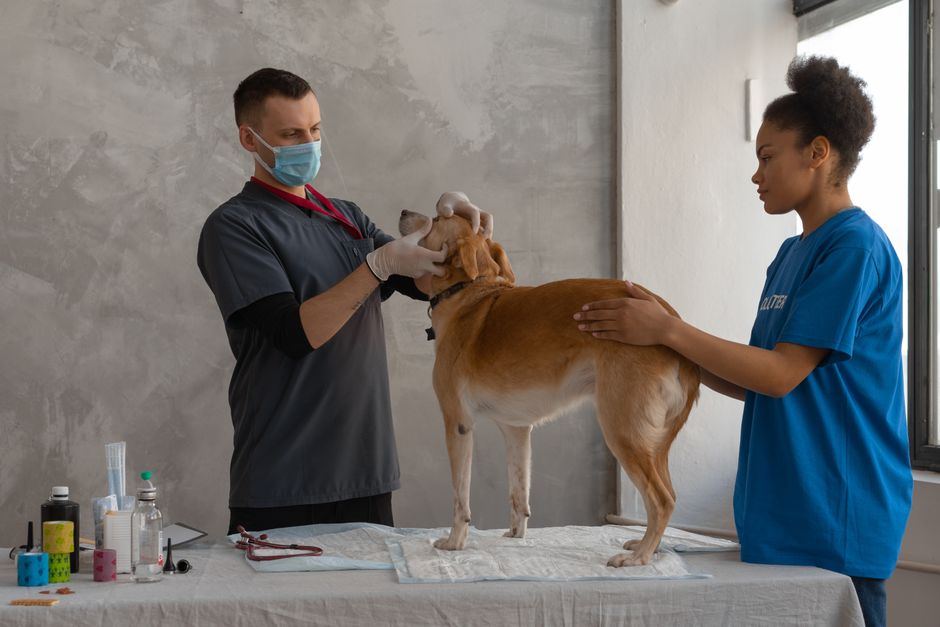
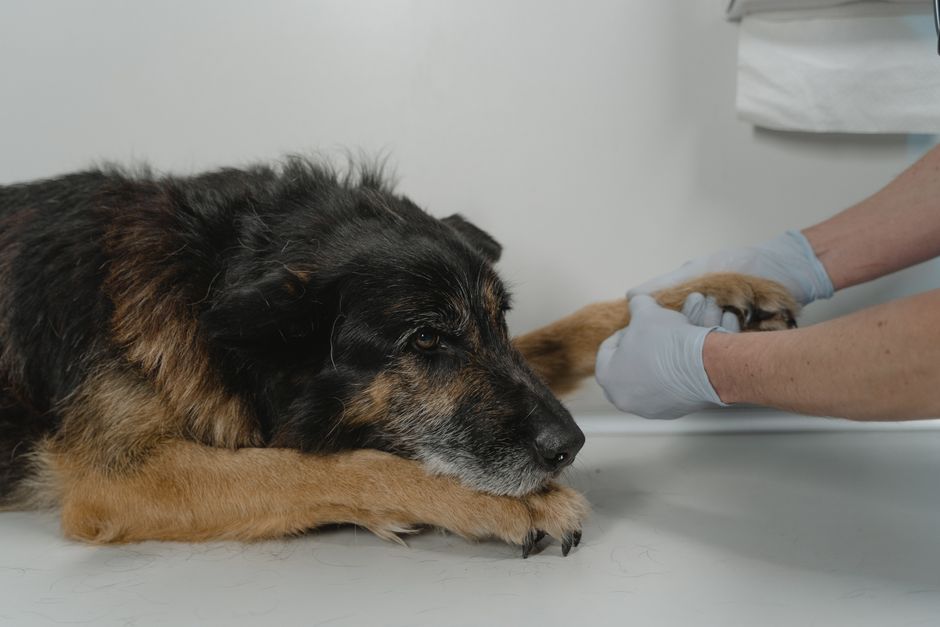
During your visit to Pets4Life, our veterinarians will start with a detailed history and orthopedic exam. We assess your dog’s gait, check for pain or decreased range of motion in the hips, and evaluate muscle tone. If hip dysplasia is suspected, we may recommend digital radiology to examine the structure of the hip joints. Digital radiology services provide clear images that allow us to see joint alignment, measure the degree of any abnormal changes, and determine the best course of action for your individual dog.
In some cases, additional tests may be warranted to rule out other causes of lameness or discomfort, such as ligament injuries or spinal issues. Our goal is always to provide a precise diagnosis so that we can tailor treatment to your dog’s specific needs and lifestyle.
Treatment Options for Dogs With Hip Dysplasia
Treatment for hip dysplasia aims to reduce pain, slow the progression of arthritis, and help your dog stay as active and happy as possible. The right approach depends on your dog’s age, the severity of symptoms, and your goals as a pet owner.
For many dogs, conservative management is effective, especially in the early stages. This usually involves a combination of weight management, joint supplements, controlled exercise, and pain relief medications prescribed by your veterinarian. Physical therapy, including gentle swimming or leash walks, can help maintain muscle strength while reducing stress on the joints. Other supportive therapies like cold laser therapy may also be recommended to manage inflammation and promote healing.
In moderate to severe cases, or when conservative treatments no longer provide adequate relief, surgical options may be considered. Procedures such as femoral head ostectomy (FHO) or total hip replacement are reserved for dogs who continue to struggle with mobility or pain despite other treatments. Our veterinary team will discuss all available options and help you make the best decision for your dog’s comfort and well-being.
If you’re interested in learning more about advanced orthopedic care, we invite you to review our veterinary orthopedic services page for additional information about treatment options for musculoskeletal conditions in pets.
Home Care and Prevention: Supporting Your Dog’s Joint Health
While genetics can’t be changed, there are several steps you can take at home to support your dog’s joints, both before and after a diagnosis of hip dysplasia. Maintaining a healthy weight is one of the most important factors in reducing stress on the hips. Feeding a balanced diet, avoiding overfeeding, and engaging in regular, low-impact exercise are all vital for joint health.
Providing a soft, supportive bed can make a big difference in your dog’s comfort, especially after activity. Consider using ramps or stairs to help your dog get on and off furniture or in and out of the car, reducing the need for jumping. Keeping nails trimmed and providing traction on slippery floors can also help prevent slips and falls that may worsen joint pain.
Discussing joint supplements with your veterinarian, such as glucosamine, chondroitin, or omega-3 fatty acids, may offer additional support for cartilage health. Each dog’s needs are unique, so it’s essential to consult with our veterinary professionals before starting any new regimen.
When to Schedule a Veterinary Visit for Hip Dysplasia Concerns
Catching hip dysplasia early can make a significant difference in your dog’s long-term mobility and comfort. If you notice signs such as limping, stiffness, reluctance to rise or exercise, or any changes in behavior that could signal discomfort, don’t wait to seek help. Sometimes, the symptoms of hip dysplasia can be mistaken for normal aging, but prompt evaluation is crucial for the best outcome.
Our veterinarians in Highland Park recommend scheduling a wellness examination if you have any questions or concerns about your dog’s gait, activity level, or joint health. Dogs with a family history of hip dysplasia or those belonging to at-risk breeds should have regular orthopedic assessments as part of their preventive care program. If your dog experiences sudden, severe lameness, or you notice a rapid decline in mobility, call our veterinary team right away for guidance.
Supporting Your Dog’s Quality of Life at Every Stage
At Pets4Life in Highland Park, we understand how important it is to keep your dog active, comfortable, and part of your family’s daily life. Whether you’re facing the first signs of hip dysplasia in dogs or managing an established diagnosis, our compassionate veterinary professionals are here to help every step of the way. We offer comprehensive care, from early diagnostics with digital radiology to personalized treatment plans and ongoing support.
If you’re searching for a “vet near me” who understands the unique needs of your dog and provides thorough, individualized care, Pets4Life is your trusted resource. Schedule an appointment at our Highland Park location or call (847) 434-2745 to speak with our veterinary team about your concerns. Remember, when it comes to what are the first signs of hip dysplasia in dogs, early attention and expert support can make all the difference in your dog’s lifelong comfort and happiness.
For more information about hip dysplasia diagnosis and treatment, visit our hip dysplasia services page or reach out to our team for expert advice tailored to your dog’s needs. Your pet’s mobility and quality of life matter to us—let’s work together to keep your dog moving with confidence and joy.