Recognizing Signs of Illness in Dogs and Cats This Fall

Recognizing Signs of Illness in Dogs and Cats This Fall
As the crisp autumn air settles over Highland Park and the days grow shorter, many pet owners find themselves spending more time indoors with their furry companions. While fall brings cozy moments and beautiful scenery, it also presents unique challenges for the health of dogs and cats. Subtle changes in routine, fluctuating temperatures, and seasonal allergens can all impact your pet’s wellbeing. At Pets4Life, our veterinary team in Highland Park, IL is dedicated to helping you recognize the early signs of illness so you can act quickly and keep your pet thriving all season long.
In this guide, you’ll learn how to spot common symptoms of sickness in dogs and cats during the fall, understand what might be causing these issues, discover how our veterinary professionals diagnose and treat seasonal concerns, and explore ways you can support your pet’s health at home. We’ll also cover when it’s time to schedule an appointment for a professional evaluation and how preventive care can make a big difference for your pet. If you’re searching for guidance from a trusted vet near me, you’re in the right place.
Identifying Signs of Illness in Dogs and Cats During Fall
Subtle Clues Your Pet May Not Be Feeling Their Best
Pets are experts at masking discomfort, so it’s important to pay close attention to even minor changes in their behavior or appearance. This is especially true during fall, when shifts in weather and environment can contribute to health issues in both dogs and cats. Signs that your pet may be under the weather include reduced energy, reluctance to play, or a sudden change in appetite. You may notice your dog or cat sleeping more than usual, seeking out quiet hiding spots, or displaying less enthusiasm for walks, meals, or affection.
Other symptoms to watch for are coughing, sneezing, nasal discharge, or watery eyes, which often indicate seasonal allergies or developing respiratory infections, especially as outdoor temperatures drop. Gastrointestinal signs, such as vomiting, diarrhea, or straining to use the litter box, may point to underlying medical issues that warrant attention. Additionally, be on the lookout for unusual scratching, biting, or licking, as these behaviors can signal skin irritation caused by allergens, fleas, or dry air.
Changes in your pet’s coat quality, such as dullness, excessive shedding, or patchy hair loss, should also be noted. If your pet is limping, appears stiff when rising, or seems hesitant to climb stairs, joint discomfort or injury may be at play, particularly in older pets or those with arthritis sensitive to cooler weather.
Behavioral and Environmental Factors
Sometimes the signs are behavioral rather than physical. Increased vocalization, withdrawal from family members, or sudden aggression can all be ways your pet communicates discomfort or distress. For cats, missing the litter box or changes in grooming habits can be red flags. Dogs may become clingy, anxious, or suddenly destructive if they are not feeling well. Paying attention to these subtle cues allows you to act promptly and seek veterinary care before issues worsen.
Common Causes of Illness in Fall
Environmental Changes That Affect Pet Health
Autumn in Highland Park brings cooler weather, falling leaves, and often more time spent indoors. These changes can increase your pet’s exposure to household allergens such as dust or mold. Outdoor pets may encounter decaying organic matter, mushrooms, or antifreeze spills, all of which can be toxic if ingested. Dogs that enjoy sniffing around leaf piles may pick up bacteria or parasites, while cats that venture outdoors could encounter infectious agents or other animals.
Seasonal allergens, including ragweed and mold spores from damp foliage, often trigger respiratory or skin reactions in sensitive pets. The onset of heating systems indoors can dry out the air, exacerbating skin and respiratory symptoms for some dogs and cats.
Infectious Diseases and Parasite Risks
Although flea and tick populations tend to peak in summer, mild fall temperatures can allow these pests to persist. Fleas may continue to cause itching, skin infections, or even transmit tapeworms well into late autumn. Heartworm disease remains a risk in many regions, as mosquitoes can survive until the first hard frost. Additionally, kennel cough and upper respiratory infections are more common in fall as pets may spend more time in boarding facilities or doggy daycares.
If your pet is overdue for vaccinations or parasite prevention, their risk of contracting seasonal illnesses increases. The transition from summer to fall is an ideal time to review your pet’s preventive care plan with your veterinarian.
How Veterinary Professionals Diagnose and Treat Fall Illnesses
Diagnostic Tools and Approaches
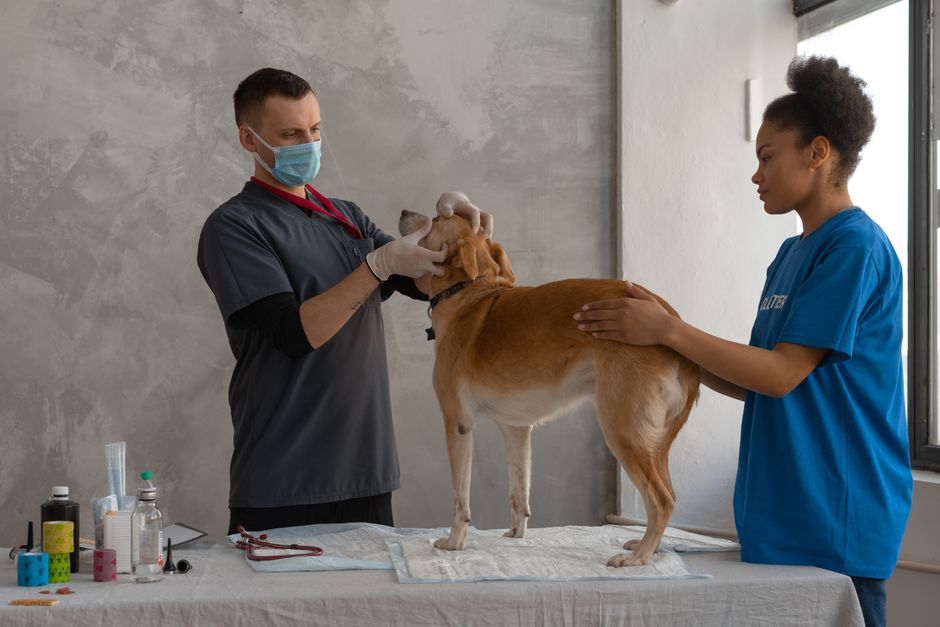
If you notice concerning symptoms in your dog or cat, prompt veterinary evaluation is the best way to determine the underlying cause and begin appropriate treatment. At Pets4Life, our veterinary team uses a combination of thorough physical exams and advanced diagnostic tools to investigate signs of illness. A comprehensive wellness examination allows us to assess your pet’s vital signs, check for hidden infections, and evaluate overall health.
When additional information is needed, we may recommend laboratory testing such as blood work, urinalysis, or fecal examinations to detect infections, organ dysfunction, or parasites. Our in-house diagnostic laboratory services provide quick results so we can make informed decisions about your pet’s care. For more complex cases, digital radiology or veterinary ultrasound may be used to visualize internal organs or identify sources of pain.
Treatment Options Tailored to Your Pet
Treatment for fall-related illnesses depends on the specific diagnosis. For respiratory infections, therapy may include antibiotics, cough suppressants, or supportive care to ease breathing and promote recovery. Skin conditions caused by allergies or parasites may be managed with medicated shampoos, anti-itch medications, or updated flea and tick prevention. Gastrointestinal upset is addressed based on the cause, with options ranging from dietary adjustments to medication for more serious infections or blockages.
If your pet is diagnosed with a chronic condition such as arthritis, our veterinarians can recommend pain management strategies, joint supplements, or cold laser therapy to improve mobility during the cooler months. Each treatment plan is carefully tailored to your pet’s individual needs, always with their comfort and long-term wellbeing in mind.
Preventive Care and Home Strategies to Keep Your Pet Healthy
The Importance of Routine Veterinary Visits
One of the most effective ways to keep your dog or cat healthy through the fall is to maintain regular veterinary check-ups. Routine exams help us identify potential problems early, often before symptoms become obvious. Preventive care also includes keeping your pet current on vaccination services to protect against contagious diseases that may circulate in boarding facilities, parks, or among neighborhood pets.
Heartworm, flea, and tick prevention should continue through the fall, as pests can remain active longer than many owners expect. If you’re unsure whether your pet is due for heartworm testing or if you need advice on parasite prevention, our veterinary team is here to help.
Simple Steps at Home
Supporting your pet’s health at home involves monitoring their behavior, appetite, and bathroom habits, as well as maintaining a clean and comfortable environment. Washing bedding regularly, keeping litter boxes clean, and ensuring your pet has access to fresh water and a balanced diet are foundational steps. As temperatures drop, provide cozy sleeping areas away from drafts and avoid exposing your pet to sudden temperature changes.
Be mindful of dangerous seasonal items such as chocolate, raisins, and sugar-free gum, which are toxic if ingested. Secure antifreeze, rodenticides, and other chemicals out of reach. If you suspect your pet has consumed something harmful or is showing sudden signs of illness, contact our veterinary team right away.
When to Schedule an Appointment with Your Veterinarian
Recognizing Urgent Symptoms
Some symptoms require immediate veterinary attention, regardless of the season. These include persistent vomiting or diarrhea, difficulty breathing, seizures, sudden collapse, or signs of severe pain. If your dog or cat becomes lethargic, stops eating or drinking, or develops a swollen abdomen, do not wait to seek help.
For less urgent but still concerning issues—such as coughing, mild lameness, skin irritation, or subtle behavior changes—it’s best to schedule an appointment promptly. Early intervention can prevent complications and lead to better outcomes for your pet.
The Role of Telehealth and In-Clinic Care
If you’re unsure whether your pet needs to visit the clinic, our telehealth services offer a convenient way to discuss your concerns with a veterinary professional. We can help you decide if an in-person exam is necessary or provide guidance for home care when appropriate. Our team at Pets4Life values the ongoing relationship we have with local pet owners and is committed to supporting you through every step of your pet’s healthcare journey.
Why Choose Pets4Life for Your Pet’s Fall Health Needs?
At Pets4Life, we understand that your pet is a cherished member of your family, and their wellbeing is your top priority. Our comprehensive veterinary services, compassionate approach, and commitment to preventive care make us the trusted choice for pet owners in Highland Park, IL and the surrounding communities. Whether your pet needs a wellness exam, vaccinations, or advanced diagnostics, our veterinarians are here to provide personalized care tailored to their unique needs.
If you’re searching for a veterinarian near me who truly cares about your pet’s health, we invite you to schedule an appointment with our veterinary team today. You can call us at (847) 434-2745 or visit us at 661 Central Avenue, Highland Park, IL 60035. Let us help you keep your dog or cat healthy, happy, and thriving this fall and beyond. Your pet’s comfort and safety are always our highest priorities.
Medical Disclaimer: The information provided in this blog is for educational purposes only and does not replace professional veterinary advice. If your pet is showing signs of illness, please consult with your veterinarian for an accurate diagnosis and appropriate treatment.