Winterizing Your Pet: November Health Tips for Dogs and Cats
Winterizing Your Pet: November Health Tips for Dogs and Cats
As the crisp winds and chilly temperatures of November settle over Highland Park, pet owners begin to wonder how best to protect their dogs and cats from the seasonal shift. Whether your furry companion loves bounding through fallen leaves or prefers curling up by the window, colder months bring new challenges for pet health and comfort. At Pets4Life, located at 661 Central Avenue, Highland Park, IL 60035, our team of veterinarians is committed to helping you keep your pets healthy, safe, and happy all season long.
In this guide, you will find practical tips for winter pet safety, nutrition adjustments, grooming, and indoor enrichment—customized for the unique climate of Highland Park and surrounding communities. We will cover how to spot winter-related health issues, why pets’ needs change as the weather cools, what you can do at home to protect your dog or cat, and when it is time to schedule a visit with our veterinary team. If you are searching for a vet near me who truly understands local winter challenges, you are in the right place. Let’s explore how you can confidently winterize your pet this November.
Recognizing Seasonal Challenges: Is Your Pet at Risk as Temperatures Drop?
Many pet owners notice subtle changes in their dogs and cats as fall shifts into winter. Some pets become less active, while others may seek out extra warmth or show signs of discomfort after outdoor play. Common symptoms that suggest your pet could be struggling with the cold include shivering, seeking warm places to rest, dry or flaky skin, reluctance to go outdoors, and changes in appetite or energy level. Additionally, watch for cracked paw pads, limping after walks, or any signs of respiratory discomfort such as coughing or sneezing.
Short-haired breeds, older pets, and those with chronic health conditions are more susceptible to cold-related issues. Kittens and puppies, with their smaller body mass, can also lose heat quickly. If you notice your pet developing any of these symptoms, it is important to take them seriously. The earlier you recognize these seasonal challenges, the more effectively you can address them and prevent more serious problems down the road.
Why Winter Brings New Risks: Understanding Cold Weather Effects on Dogs and Cats
Colder weather affects pets in several ways. For dogs and cats, the drop in temperature can lead to increased risk of hypothermia and frostbite, especially during prolonged exposure outdoors. Dry indoor air from heating systems can exacerbate skin dryness, leading to itching or flaking. Changes in daylight hours and reduced outdoor exercise can contribute to weight gain and boredom, which may trigger behavioral issues.
Certain health conditions, such as arthritis or respiratory disease, often worsen in cold weather. Arthritic pets may become stiffer or more reluctant to move after resting. Ice, snow, and road salt can irritate or damage sensitive paw pads, while antifreeze and other chemicals used in winter are toxic and pose additional hazards if ingested.
Understanding these factors helps you anticipate and prevent problems before they arise. Proactively addressing the unique risks of the season is key to ensuring your dog or cat stays healthy and comfortable throughout the colder months.
Professional Care: How Your Veterinarian Helps Winterize Your Pet
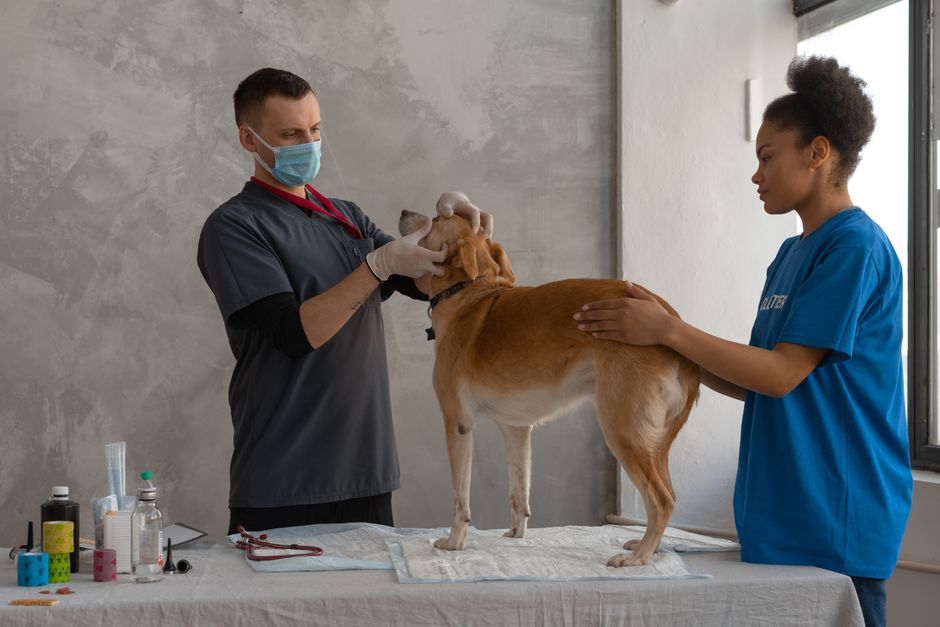
A veterinary wellness examination is one of the most valuable steps you can take to prepare your pet for winter. During a comprehensive pet exam, our veterinary team will assess your pet’s overall health, review their vaccination status, and discuss any concerns you have about seasonal changes. This is especially important for senior pets or those with chronic conditions, as adjustments to medication or activity levels may be needed to manage cold-weather risks.
If your pet’s skin seems dry or irritated, your veterinarian can recommend safe moisturizers or dietary supplements to support skin and coat health. For pets with arthritis, management may include weight adjustments, joint supplements, or pain relief strategies tailored to your dog’s or cat’s specific needs. Dental health can also impact your pet’s comfort during winter; regular cleanings and prompt attention to oral pain or infection help prevent bigger problems.
If you are unsure whether your pet is due for a checkup, now is the perfect time to schedule a wellness examination. This visit provides an opportunity to catch early signs of illness, discuss nutrition, and get personalized advice on winter safety and enrichment.
At-Home Care: Practical Steps to Protect Your Pet from Winter Hazards
There are many ways you can support your pet’s health and happiness at home during November and beyond. Ensuring your pet has a warm, draft-free resting place is essential. Keep beds away from doors and windows, and consider a cozy blanket or heated pet pad for extra comfort. When walking your dog, opt for shorter, more frequent outings to minimize exposure to cold, and always dry off paws and fur after coming indoors.
Nutrition often needs to be adjusted as activity levels drop. Monitor your pet’s weight and consult your veterinarian about any necessary changes to their diet. For indoor cats, increased playtime is crucial to prevent boredom and weight gain. Puzzle feeders, interactive toys, and regular play sessions help stimulate their natural instincts.
Grooming also plays a vital role in winter pet care. Regular brushing removes dead hair and distributes natural oils, which protect the skin from dryness. For dogs and cats who spend time outdoors, trimming the hair between paw pads can help prevent ice buildup, while inspecting paws after walks ensures any irritants like salt are quickly removed. Learn more about keeping your pet’s coat healthy with grooming services from our veterinary team.
Finally, ensure that all antifreeze, ice melts, and other chemicals are stored safely out of reach. Even small amounts can be extremely toxic to dogs and cats. Wiping your pet’s paws after every walk reduces the risk of accidental ingestion and keeps their feet healthy.
Indoor Enrichment: Keeping Your Pet Happy and Active All Season
With less time outdoors, indoor enrichment becomes even more important for your pet’s mental and physical well-being. For dogs, interactive toys, scent games, and training sessions provide valuable stimulation. Consider enrolling your dog in a doggy daycare program, which offers safe indoor play and socialization during the colder months.
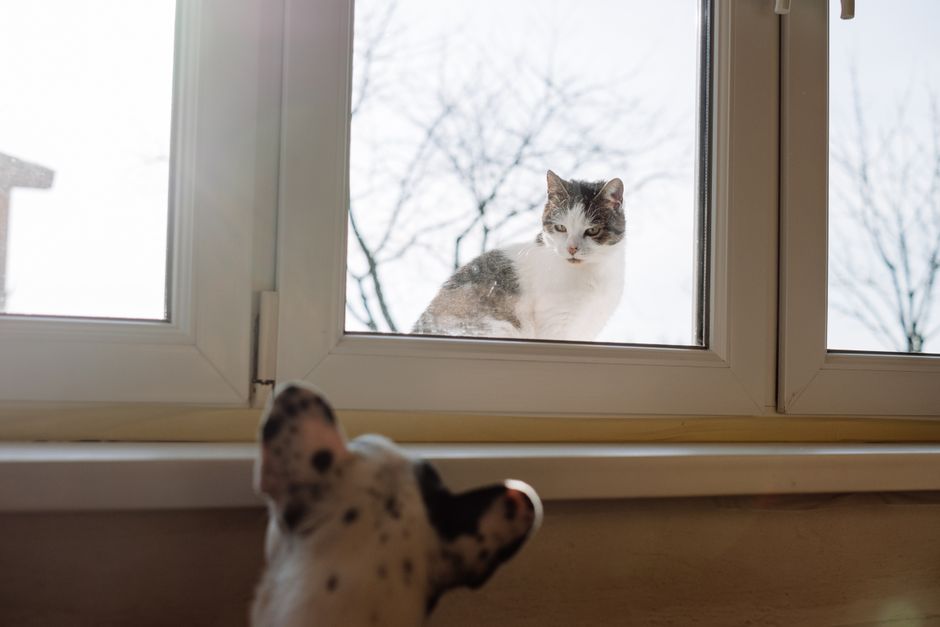
Cats benefit from vertical spaces like cat trees, window perches, and puzzle toys that encourage hunting behaviors. Rotate toys frequently to keep things interesting, and set aside daily time for interactive play. These activities not only prevent boredom but also reinforce the bond you share with your pet.
If you are unsure how to keep your pet active and enriched indoors, our veterinary team can offer tailored recommendations based on your pet’s personality and needs.
When to Schedule a Veterinary Visit: Recognizing Red Flags
While many winter adjustments can be managed at home, there are certain warning signs that should prompt you to contact our team of veterinarians right away. If your dog or cat is shivering uncontrollably, appears lethargic, is reluctant to eat or drink, or shows signs of pain when moving, these could indicate more serious cold-related health issues. Persistent coughing, difficulty breathing, or any evidence of frostbite—such as pale, hard, or blistered skin—require immediate attention.
If your pet is experiencing sudden changes in behavior, severe limping, or any symptoms that concern you, it is always best to err on the side of caution and schedule an appointment. Our veterinary team is ready to provide thorough evaluations and compassionate care for your dog or cat, whether you need urgent help or simply want to ensure your pet is well-prepared for winter.
For guidance between appointments, our telehealth services make it easy to connect with a veterinarian and get answers to your questions from the comfort of home.
Your Partner in Winter Pet Care: Why Choose Pets4Life in Highland Park
Winter in Highland Park brings unique challenges for dogs and cats, but with thoughtful preparation and support from your local veterinarians, your pet can thrive all season long. By recognizing early signs of cold-related stress, making smart adjustments at home, and staying proactive about professional care, you give your companion the best chance at a healthy, happy winter.
When you are searching for a veterinarian near me who understands both the local climate and the unique needs of your pet, trust the experienced veterinary professionals at Pets4Life. We invite you to schedule an appointment for a wellness examination, explore our grooming services, or ask about the many ways we can support your pet’s health this winter.
Contact our team at (847) 434-2745 or visit us at 661 Central Avenue, Highland Park, IL 60035. Together, let’s make this winter a safe and joyful season for your dog or cat. If you have questions or need personalized advice, our veterinary team is always here to help guide you through the colder months.
This blog is intended for informational purposes and does not substitute for professional veterinary care. Please consult your veterinarian for specific medical advice or if you are concerned about your pet’s health.