Preventing Dental Disease in Dogs and Cats This November
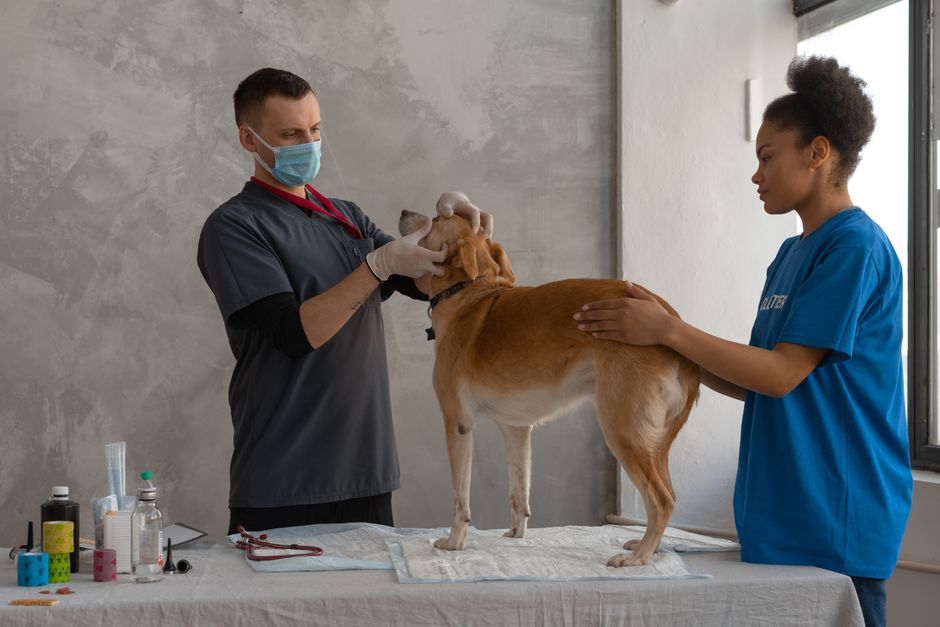
Preventing Dental Disease in Dogs and Cats This November
As November settles in and the days grow colder in Highland Park, many pet owners find themselves spending more time indoors with their dogs and cats. This cozy season is the perfect opportunity to focus on an often-overlooked aspect of your pet’s health: their teeth and gums. Dental disease is one of the most common health issues in pets, yet it often goes unnoticed until it causes pain, bad breath, or more serious health concerns. At Pets4Life, located at 661 Central Avenue, Highland Park, IL 60035, our veterinary team is passionate about helping you protect your pet’s smile all year round. In this blog, we will guide you through the warning signs of dental disease in dogs and cats, explain the underlying causes, discuss how veterinary dental care can make a difference, and share practical tips for keeping your pet’s mouth healthy at home. We will also help you recognize when it’s time to schedule a professional dental checkup, ensuring your companion stays happy and comfortable through the winter months.
Recognizing Dental Disease: Signs to Watch For in Your Pet
Dental disease can develop quietly in both dogs and cats, often progressing without obvious signs until it becomes advanced. One of the first indicators many pet owners notice is persistent bad breath, sometimes described as a sour or rotten odor. Other symptoms include visible tartar or yellowish-brown buildup on the teeth, red or swollen gums, and discomfort while eating. You might also observe your pet dropping food, chewing on one side of the mouth, or showing less interest in their favorite kibble or treats. In more severe cases, pets may paw at their face, drool excessively, or even have loose or missing teeth.
Pain is a significant but often hidden aspect of dental disease. Cats, in particular, are experts at hiding discomfort, so subtle changes in grooming habits or reduced interaction can be clues. If your dog or cat becomes irritable or avoids being touched around the mouth, dental pain could be to blame. Early recognition of these signs allows for timely intervention by your veterinarian, which can prevent further complications and help your pet feel their best.
Understanding the Causes of Dental Disease in Dogs and Cats
Dental disease in pets primarily stems from the gradual accumulation of plaque and tartar on the teeth. Plaque forms when food particles and bacteria mix with saliva, creating a sticky film along the gumline. If not removed through regular brushing or professional cleaning, plaque hardens into tartar, which can irritate the gums and lead to inflammation known as gingivitis.
Over time, untreated gingivitis can progress to periodontitis, a more severe condition that damages the tissues and bone supporting the teeth. This process is not only painful but can also lead to tooth loss and allow bacteria to enter the bloodstream, potentially affecting other organs such as the heart, liver, and kidneys. Factors that contribute to dental disease include breed predispositions (with small dog breeds and some cats being more susceptible), age, diet, and lack of regular dental care.
Understanding these causes highlights the importance of preventive measures and the value of routine dental assessments, especially as your pet ages.
Professional Dental Care: What to Expect at Pets4Life
When your pet visits our veterinary team at Pets4Life for dental care, the process is designed to be thorough, safe, and comfortable. A dental examination is the first step, allowing us to assess the condition of your pet’s teeth and gums and to identify any underlying issues. For a comprehensive evaluation, we may recommend dental radiography to check for problems below the gumline, such as tooth root infections or bone loss, which cannot be seen with the naked eye.
If your pet needs a dental cleaning, the procedure involves removing plaque and tartar both above and below the gumline while your pet is under anesthesia for their safety and comfort. Our veterinarians will also polish the teeth to smooth the surfaces and help prevent future buildup. During the cleaning, we carefully examine each tooth for signs of damage or disease. In cases where teeth are severely diseased or loose, pet tooth extractions may be recommended to alleviate pain and prevent further infection. For more complex oral conditions, our team can discuss advanced options, including pet oral surgery, ensuring your pet receives the most appropriate care.
Regular dental cleanings and checkups are essential, not just for addressing existing problems but for preventing future issues, supporting your pet’s overall health and well-being.
At-Home Dental Care: Steps to Protect Your Pet’s Smile
While professional veterinary care is vital, your role in maintaining your pet’s dental health at home is just as important. The most effective preventive measure is daily tooth brushing with a pet-safe toothpaste. If daily brushing is not possible, aim for several times a week, as even this can significantly reduce plaque buildup. Introduce the process gradually, making it a positive experience with gentle handling and plenty of praise.
Dental diets and treats designed to reduce tartar can be helpful additions to your pet’s routine. Look for products with the Veterinary Oral Health Council (VOHC) seal, which indicates they meet standards for effectiveness. Chew toys and dental chews can also aid in cleaning teeth, but always choose options appropriate for your pet’s size and chewing strength to avoid accidental injury.
Regularly check your dog or cat’s mouth for signs of problems, such as swelling, discoloration, or broken teeth. Early detection at home, paired with annual veterinary dental exams, is key to preventing the progression of dental disease. For more tips and resources, explore our veterinary dental care services to see how we can support your efforts at home.
When to Schedule a Veterinary Dental Visit
Knowing when to seek professional help is crucial for your pet’s health. If you notice persistent bad breath, red or bleeding gums, visible tartar, loose or broken teeth, difficulty eating, or any signs of pain around the mouth, it is time to schedule a dental examination. These symptoms may indicate advanced dental disease that requires veterinary attention. Additionally, even if your pet seems comfortable, annual dental checkups are essential for early detection and prevention.
Some pets, due to breed, age, or pre-existing health conditions, may need more frequent dental assessments. Our team of veterinarians at Pets4Life offers customized recommendations based on your pet’s specific needs, ensuring they receive the right care at the right time. Do not wait for dental issues to become emergencies; proactive care can spare your pet unnecessary discomfort and support their long-term health.
Keeping Your Pet’s Smile Bright All Winter: The Pets4Life Commitment
Dental disease is a common but preventable concern for dogs and cats, especially as the colder months encourage more indoor time and close snuggles. By staying alert to the signs of dental trouble, practicing good home care, and partnering with your trusted veterinary team, you can help your pet enjoy a healthier, happier life. At Pets4Life, we are dedicated to providing comprehensive dental care for pets in Highland Park and surrounding communities, offering everything from routine cleanings to advanced oral surgery.
If you are searching for a "vet near me" who truly understands the importance of preventive dental health, our veterinarians are here to help. Schedule an appointment today by calling (847) 434-2745, or visit us at 661 Central Avenue, Highland Park, IL 60035. For more details about our full range of dental services, including professional dental cleaning and advanced treatment options, explore our website or reach out to our team. Together, let us keep your pet’s teeth healthy and their tail wagging all season long.
Medical Disclaimer: This blog is intended for informational purposes only and should not be considered a substitute for professional veterinary advice. Please consult your veterinarian for specific concerns regarding your pet’s dental health.