Choosing the Best Teeth Cleaning for Your Pet in Highland Park
Choosing the Best Teeth Cleaning for Your Pet in Highland Park
Caring for your dog or cat’s teeth is more than a cosmetic concern; it’s an essential part of their overall health and happiness. In Highland Park and surrounding communities, pet owners are increasingly aware of the importance of dental care, but many still have questions about the best ways to maintain their pet’s oral health. At Pets4Life, located right here at 661 Central Avenue, Highland Park, IL 60035, our veterinary team provides comprehensive dental services for dogs and cats of all ages. Whether you are new to pet dentistry or wondering if it’s time for your pet’s first professional cleaning, this blog will guide you through what to expect, why dental care matters, and how to make the best choices for your companion’s well-being. Read on to learn about the signs of dental disease, the causes, what happens during a professional teeth cleaning, how you can help at home, and when it’s time to schedule an appointment with your local vet.
Recognizing the Signs of Dental Disease in Pets
Many pet owners may not realize that dental health issues are among the most common problems seen in dogs and cats. Since our pets can’t tell us when their teeth hurt, it often falls to us to spot the warning signs. Common symptoms of dental disease in pets include persistent bad breath, red or swollen gums, bleeding from the mouth, visible tartar buildup, loose or missing teeth, difficulty eating, and pawing at the mouth. Additionally, your pet may start dropping food, chewing more slowly, or favoring one side of the mouth while eating. Subtle changes such as increased drooling or a reluctance to play with chew toys can also indicate oral discomfort. If you notice any of these changes in your dog or cat, it’s important to take them seriously; dental disease can progress quickly and lead to more severe health complications if left untreated.
Why Dental Health Is Often Overlooked
It’s easy to assume that dogs and cats naturally keep their teeth clean, especially since wild animals don’t seem to require toothbrushes. However, most pets today eat commercial diets that don’t provide the abrasive action needed to keep teeth clean, and their longer lifespans mean dental problems have more time to develop. Because the early stages of dental disease are not always obvious, many issues go unnoticed until they become painful or advanced. Regular dental checkups and professional cleanings are the best way to catch problems early and protect your pet’s long-term health.
Understanding the Causes of Dental Disease in Dogs and Cats
Dental disease in pets usually develops gradually. The primary culprit is plaque, a sticky film of bacteria that forms on the teeth after your pet eats. Over time, this plaque hardens into tartar, which can only be removed through professional cleaning. As tartar accumulates, it irritates the gums and causes gingivitis, a mild but reversible form of gum disease. If left untreated, gingivitis can progress to periodontal disease, where the structures supporting the teeth are damaged, leading to pain, tooth loss, and infection.
Breed, age, and lifestyle can all influence your pet’s dental health. Smaller dog breeds and certain cats are more prone to dental problems due to the shape of their mouths and the way their teeth are positioned. Older pets are also at higher risk, as years of plaque buildup take their toll. Diet plays a role as well; pets that eat primarily soft food or table scraps generally have more dental issues than those who regularly chew on dental-approved treats or kibble. Genetics, immune health, and underlying medical conditions can contribute to the likelihood or severity of dental disease as well.
What to Expect During a Professional Pet Teeth Cleaning
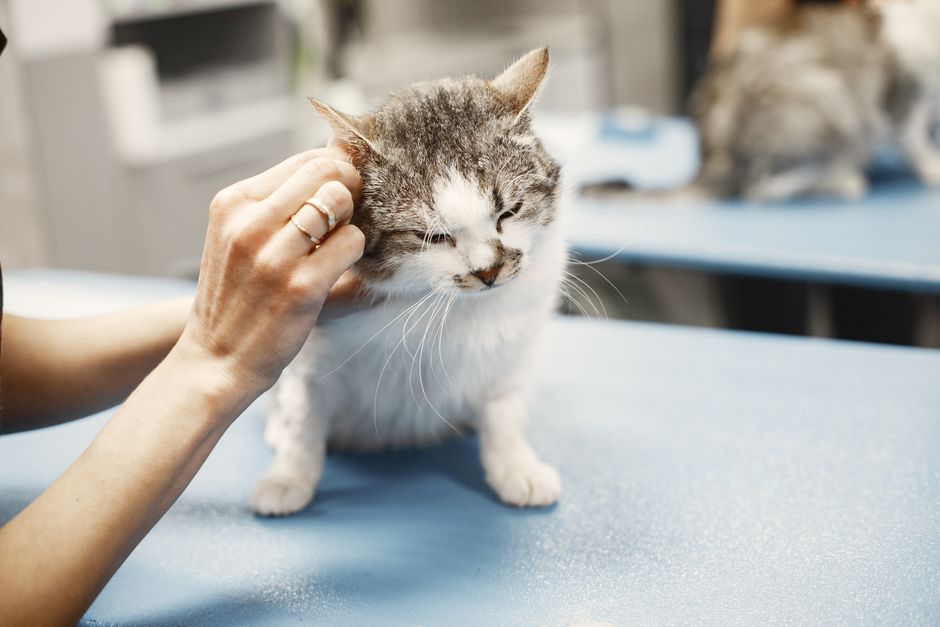
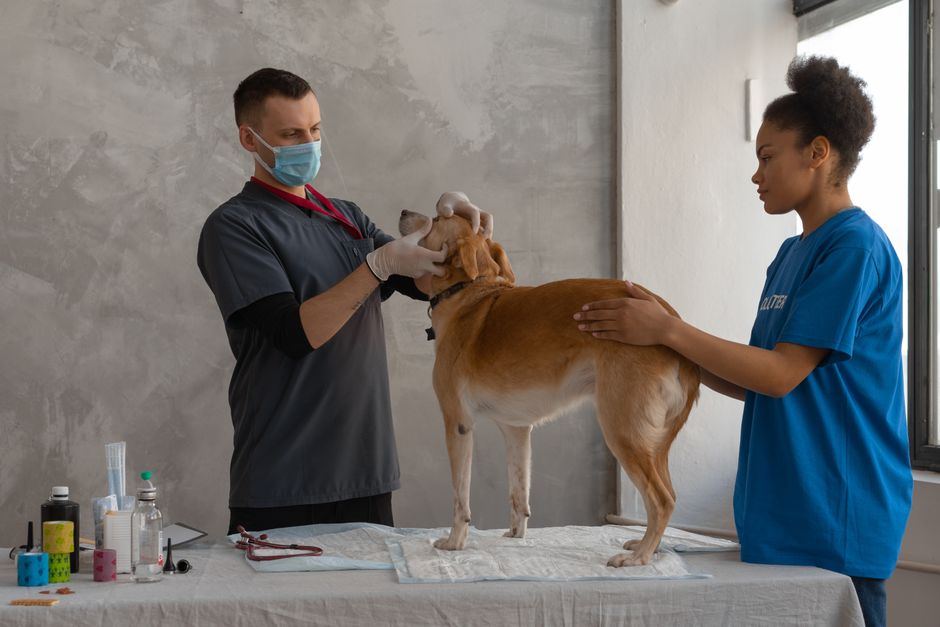
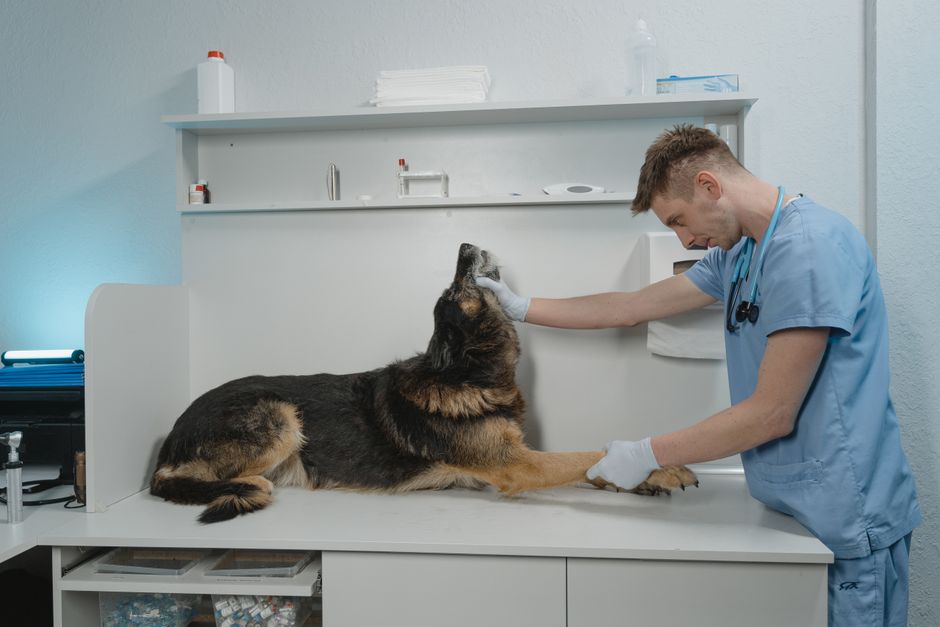
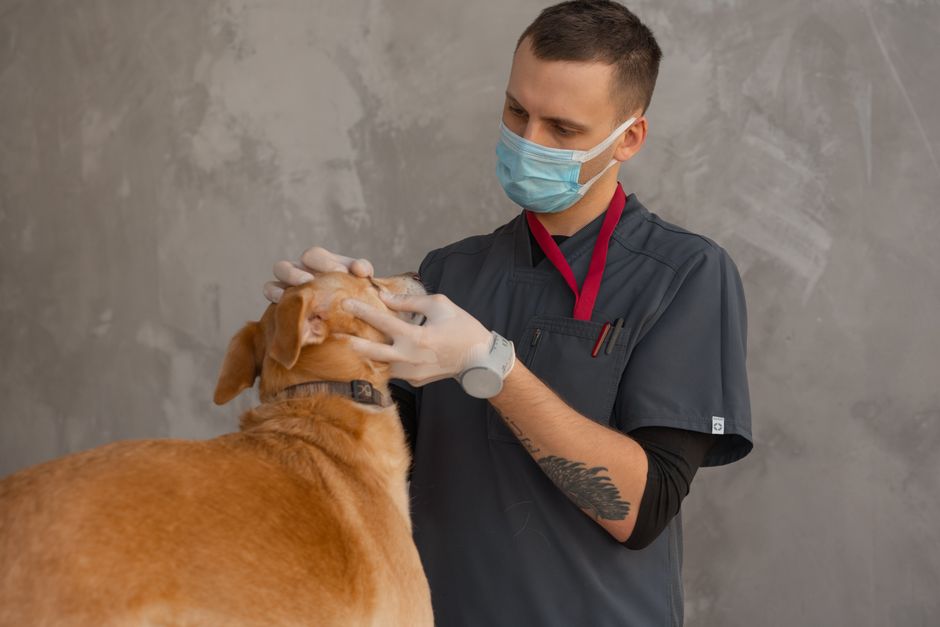
If you’re considering a professional teeth cleaning for your pet, it’s natural to wonder what the process entails. At Pets4Life, we take a thorough and compassionate approach to every dental procedure to ensure your pet’s comfort and safety. The process begins with a comprehensive oral exam, where our veterinarians assess the health of your pet’s teeth, gums, and mouth. If necessary, we may recommend dental radiography to evaluate the roots below the gum line and identify problems that aren’t visible on the surface.
A professional dental cleaning is performed under general anesthesia to allow for a complete and pain-free cleaning. During the procedure, the veterinary team will remove plaque and tartar from all tooth surfaces using specialized equipment. Scaling and polishing help to smooth the enamel, making it harder for bacteria to reattach. The gums are checked for pockets or signs of infection, and any teeth that are loose, damaged, or infected may require pet tooth extractions to prevent further pain or disease. For pets with more extensive dental issues, pet oral surgery may be recommended as part of a comprehensive treatment plan.
After the cleaning, your pet will be monitored closely as they wake up from anesthesia. Most pets recover quickly, and you’ll receive detailed home care instructions to support healing and maintain oral health. Many owners are pleasantly surprised to see an immediate improvement in their pet’s comfort, appetite, and even their breath.
Is Dental Cleaning Safe for My Pet?
Safety is always our top priority. Before any dental procedure, your pet undergoes a full physical examination and may have bloodwork to assess their overall health and anesthetic risk. Our veterinarians use the latest monitoring and dental equipment, and every member of our veterinary team is trained to provide gentle, attentive care from start to finish.
The Importance of Preventive Dental Care at Home
While professional cleanings are essential, home care plays a crucial role in maintaining your pet’s oral health between visits. Brushing your pet’s teeth daily with a pet-safe toothbrush and toothpaste is the gold standard for preventing plaque buildup. If brushing isn’t possible, dental diets, chews, and water additives approved by your veterinarian can help reduce tartar accumulation. Regularly inspecting your pet’s mouth for redness, swelling, or unusual odors allows you to catch issues early.
Creating a dental care routine at home doesn’t have to be overwhelming. Start slowly by letting your pet taste the toothpaste and gradually introducing the toothbrush. Celebrate small successes, and remember that consistency is key. Your veterinarian can recommend products that are safe and effective for your dog or cat’s unique needs.
For additional information on maintaining oral health, our comprehensive dental care information for pets page offers helpful tips and resources.
When Should You Schedule a Professional Dental Cleaning?
Determining the right time for your pet’s teeth cleaning depends on their age, breed, and overall health, but most pets benefit from an annual dental checkup. If your veterinarian notices tartar buildup, gum inflammation, or other signs of dental disease during your pet’s regular wellness exam, they may recommend scheduling a cleaning before the problem becomes more serious.
You should also contact your veterinarian if your pet shows any of the warning signs mentioned earlier, such as bad breath, bleeding gums, or changes in eating habits. Delaying treatment can allow dental disease to progress, increasing the risk of pain, infection, and costly interventions down the road.
At Pets4Life, we encourage pet owners to be proactive. Preventive care—including timely dental cleanings—keeps your pet comfortable and can even extend their lifespan by reducing the risk of oral bacteria affecting their heart, kidneys, or other organs.
Why Choose Pets4Life for Your Pet’s Dental Care in Highland Park?
Choosing the right veterinary team for your pet’s dental needs gives you peace of mind and ensures the highest standard of care. At Pets4Life, our veterinarians bring years of experience in small animal dentistry and utilize advanced diagnostic tools and gentle techniques for every procedure. Our hospital in Highland Park is equipped to handle everything from routine cleanings to complex oral surgeries, and we are committed to clear communication every step of the way.
We serve pet owners throughout Highland Park and neighboring communities, offering personalized treatment plans designed to fit your pet’s needs and your family’s schedule. Our goal is to make every visit as stress-free as possible, so you and your pet feel supported and confident in your care choices.
Take the First Step Toward a Healthier Smile
Your pet’s dental health is a vital part of their overall well-being. Recognizing the signs of dental disease, understanding the causes, and taking action early can make a world of difference for your dog or cat. Whether your pet is due for a routine cleaning or you have specific concerns about their oral health, our veterinary team at Pets4Life is here to help.
If you’re searching for a veterinarian near me who provides comprehensive dental care, look no further. Schedule your pet’s next teeth cleaning with our Highland Park veterinary hospital today by calling (847) 434-2745 or visiting us in person at 661 Central Avenue, Highland Park, IL 60035. For more details on the dental services we offer, visit our professional teeth cleaning services for pets page.
Let’s work together to keep your pet’s smile healthy for years to come. If you have any questions or concerns about your dog or cat’s dental health, our veterinary professionals are always here to support you and your pet every step of the way.
This blog is for informational purposes only and does not replace professional veterinary advice. Always consult your veterinarian for recommendations specific to your pet’s health needs.