What Are the First Signs of Hip Dysplasia in Dogs?
What Are the First Signs of Hip Dysplasia in Dogs?
If you are worried that your dog is starting to show signs of discomfort or difficulty moving, you might be asking yourself: what are the first signs of hip dysplasia in dogs? Hip dysplasia is a common orthopedic condition that can affect dogs of all ages and breeds, but early detection is essential for maintaining your dog’s comfort and quality of life. At Pets4Life, our veterinary team in Highland Park, IL understands how concerning it can be to see your dog struggle with mobility issues. In this article, we will help you recognize early symptoms of hip dysplasia, explain why this condition develops, and discuss what steps you can take at home and with your veterinarian to support your dog’s health. If you suspect hip dysplasia or want to learn more about orthopedic care, our hip dysplasia treatment information can provide further guidance.
Recognizing the First Signs of Hip Dysplasia in Dogs
When pet owners ask, “what are the first signs of hip dysplasia in dogs?”, the answer often depends on the dog’s age, activity level, and breed. Hip dysplasia can develop gradually, so the earliest symptoms may be subtle or mistaken for simple tiredness or aging. The most common early signs include stiffness in the hind legs, especially after rest. You might notice your dog hesitating to rise from lying down, or taking longer to get comfortable. Another telltale sign is a change in the way your dog walks; some dogs develop a “bunny hopping” gait where they move both hind legs together when running or climbing stairs.
Additionally, reluctance to jump onto furniture, go up or down stairs, or play as enthusiastically as before can point to early hip discomfort. Some dogs display mild lameness or a limp that comes and goes, especially after activity. Over time, you might feel a loss of muscle mass around the hips or notice your dog favoring one leg over the other. These changes can be subtle, so it is important to watch for patterns in your dog’s behavior rather than isolated incidents.
If you observe any of these signs, it is always best to schedule an appointment with your veterinarian for a thorough evaluation. Early intervention can help slow the progression of hip dysplasia and improve your dog’s comfort.
Why Do Dogs Develop Hip Dysplasia?
Hip dysplasia is a developmental condition where the ball and socket of the hip joint do not fit together properly. This imperfect fit leads to joint instability, which, over time, causes inflammation, pain, and eventually arthritis. Genetics play a significant role; certain breeds, especially larger dogs like Labrador Retrievers, German Shepherds, and Golden Retrievers, are predisposed to developing hip dysplasia. However, dogs of all sizes can be affected, and small breed dogs are not immune.
Beyond genetics, several factors can influence the onset and severity of hip dysplasia. Rapid growth during puppyhood, excessive weight or obesity, high-impact activity at a young age, and poor nutrition can all contribute to joint stress. In some cases, trauma or injury to the hip joint may accelerate the development of this condition.
If your dog comes from a breed or family line known for hip dysplasia, or has experienced rapid growth or weight gain, it is wise to be especially vigilant for early symptoms. Regular wellness examinations and preventive care at Pets4Life can help catch concerns before they become advanced problems.
Understanding the Progression
Hip dysplasia can develop at any age, but most often it becomes noticeable in young, rapidly growing dogs or later in life as arthritis sets in. Some dogs show signs as early as six months old, while others may not display symptoms until they reach middle age or older. No matter when it starts, early recognition and professional assessment are the keys to maintaining your dog’s quality of life.
How Is Hip Dysplasia in Dogs Treated?
Once your dog has been diagnosed with hip dysplasia, your veterinarian will tailor a treatment plan to your dog’s specific needs, age, and lifestyle. Treatment for hip dysplasia in dogs usually involves a combination of approaches aimed at reducing pain, improving mobility, and slowing the progression of joint damage.
Conservative management is often the first step, especially for mild cases. This includes weight management to reduce stress on the hips, regular low-impact exercise like leash walks or swimming, and physical therapy. Medications such as anti-inflammatories or joint supplements (like glucosamine and chondroitin) may be recommended to control pain and support joint health. For some dogs, modalities like cold laser therapy can help relieve discomfort and promote healing.
In cases where conservative treatments do not provide sufficient relief, surgical options may be considered. Procedures range from juvenile pubic symphysiodesis in young puppies to total hip replacement or femoral head ostectomy (FHO) in older dogs. Your veterinarian will discuss which options are most appropriate based on your dog’s age, size, and degree of discomfort. Our orthopedic veterinary services at Pets4Life are designed to provide comprehensive support for dogs affected by hip dysplasia and other mobility challenges.
What to Expect During Diagnosis
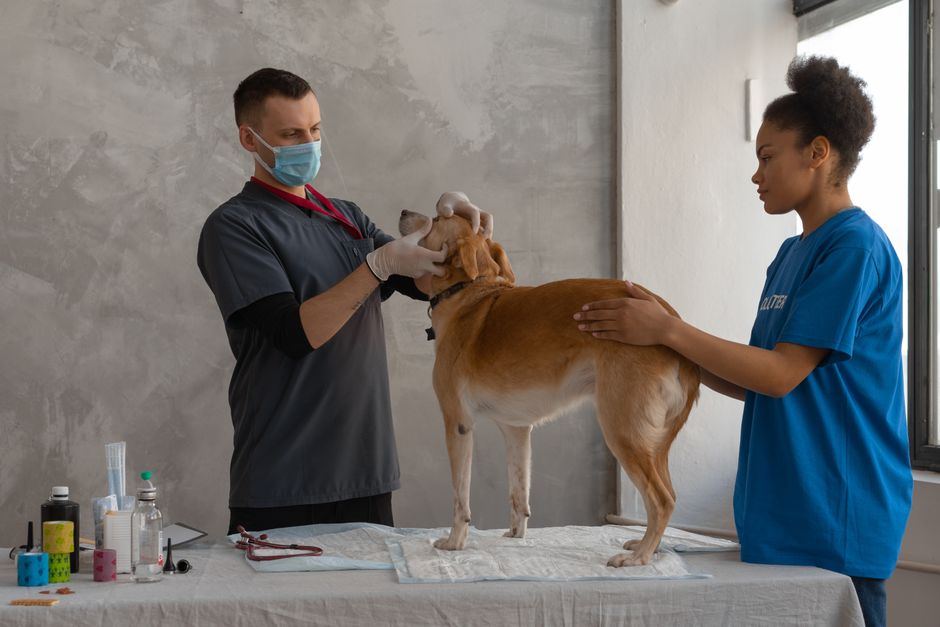
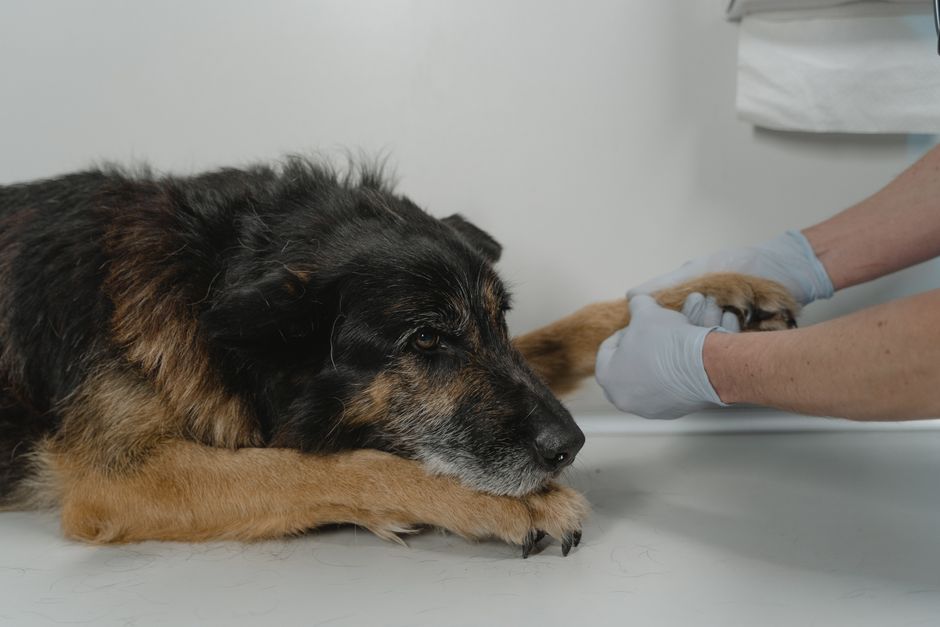
Diagnosis typically involves a combination of physical examination, observing your dog’s movement, and diagnostic imaging such as X-rays. Your veterinarian may gently manipulate your dog’s hips to assess joint laxity or pain. Radiographs help determine the severity of the condition and guide treatment options. Open and honest communication with your veterinary team is crucial so that the best plan can be created for your dog’s comfort and long-term health.
Supporting Your Dog at Home: Prevention and Home Care
While genetics cannot be changed, there are steps you can take at home to support your dog’s joint health and reduce the risk or severity of hip dysplasia. Maintaining a healthy weight is one of the most important factors, as excess pounds put additional strain on the hips. Feeding a balanced, age-appropriate diet and avoiding overfeeding during puppyhood can help ensure proper joint development.
Regular, low-impact exercise helps keep muscles strong and joints flexible. Swimming is an excellent activity for dogs with hip dysplasia, as it builds strength without stressing the joints. Providing orthopedic bedding, ramps, or stairs for easier access to favorite spots can also make daily life more comfortable for your dog.
If your dog is already showing signs of hip discomfort, follow your veterinarian’s recommendations for medication, supplements, and activity. Monitor for changes in mobility or behavior, and keep the veterinary team updated on your dog’s progress. Consistent, gentle care at home combined with regular veterinary check-ins gives your dog the best chance of staying active and happy.
When Should You Bring Your Dog to the Veterinarian?
Knowing when to seek veterinary care is critical if you suspect hip dysplasia. If you notice your dog limping, struggling to rise, hesitating to jump, or showing pain during activity, it is time to schedule an appointment. Other warning signs include a decrease in activity level, obvious discomfort during or after exercise, or a newly developed “bunny hopping” gait.
Prompt evaluation is especially important if your dog’s symptoms worsen quickly, if you see signs of severe pain, or if your dog stops using one or both hind legs. Sudden changes like these may indicate additional injury or complications that require immediate attention.
At Pets4Life, our veterinary professionals are committed to helping dogs in Highland Park and surrounding communities live their best lives. If you are searching for answers to what are the first signs of hip dysplasia in dogs, trust that early diagnosis and intervention can make a significant difference for your dog’s comfort and mobility. We encourage you to reach out to our experienced team for a thorough assessment and personalized treatment plan if you have any concerns about your dog’s hips.
Take the First Step Toward Comfort: Contact Pets4Life for Hip Dysplasia Concerns
Hip dysplasia does not have to define your dog’s life. Recognizing the first signs of hip dysplasia in dogs—such as stiffness, difficulty rising, reluctance to jump, and changes in gait—can help you seek support before discomfort becomes severe. Our veterinary team at Pets4Life in Highland Park is here to provide advanced diagnostics, customized treatment, and ongoing care for dogs with joint issues.
If you are wondering about treatment options or want a professional evaluation for your dog’s mobility, we invite you to explore our hip dysplasia care services and orthopedic veterinary offerings. To schedule an appointment or learn more about how we can help your dog thrive, call us at (847) 434-2745. For pet owners searching for a compassionate “vet near me,” Pets4Life is dedicated to serving Highland Park and nearby communities with expertise and heart.
Your dog’s comfort, mobility, and happiness are our top priorities. Let us be your partner in keeping your dog healthy and active for years to come. If you have questions about what are the first signs of hip dysplasia in dogs, or need guidance about your dog’s joint health, don’t hesitate to reach out to the veterinary professionals at Pets4Life today.
This blog is for informational purposes only and is not a substitute for professional veterinary care. Always consult your veterinarian for diagnosis and treatment recommendations tailored to your pet’s individual needs.