Top Mistakes Pet Owners Make With Hip Problems in Dogs
Top Mistakes Pet Owners Make With Hip Problems in Dogs
Hip issues are a common concern for many dog owners, especially as dogs age or in certain breeds prone to joint problems. If you're asking, "What are some common mistakes pet owners make with hip problems in dogs?" you're not alone. At Pets4Life, our veterinary team in Highland Park, IL often sees cases where well-meaning owners unintentionally worsen their dog's discomfort. In this blog, we'll walk you through the signs of hip problems in dogs, the causes behind these issues, common mistakes to avoid, and how you can best support your dog at home. Plus, you'll find expert tips from our veterinarians on when to seek professional care and how to keep your dog as comfortable and active as possible.
Whether you're in Highland Park or the surrounding communities, understanding the right steps to take can make all the difference in your dog's quality of life. We'll cover practical home care, the importance of early intervention, and treatment options available at our hospital. For those searching for a "vet near me" who truly understands canine orthopedic health, you're in the right place.
Recognizing Hip Problems in Dogs: Signs to Watch For
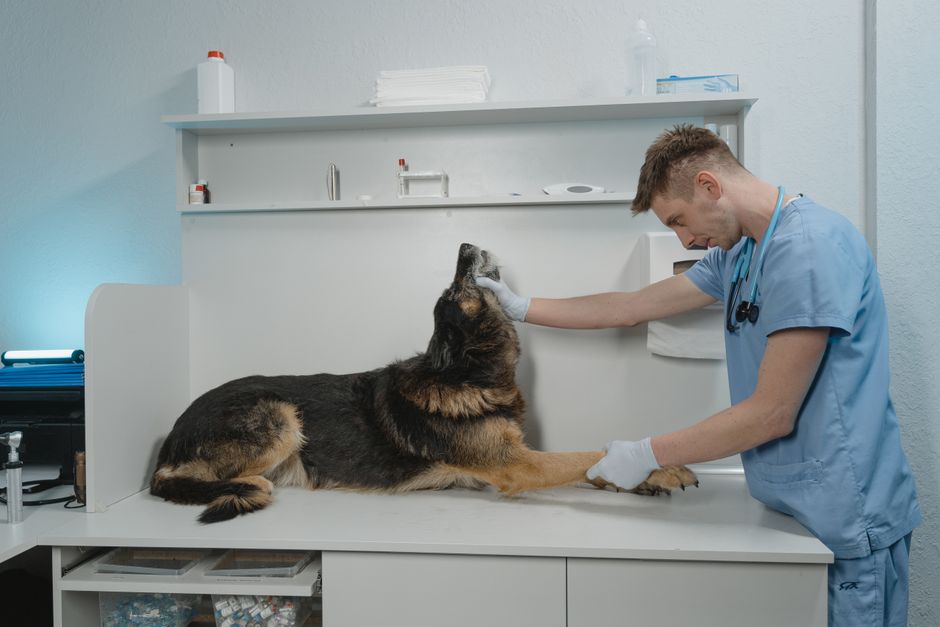
Before you can help your dog with hip problems, it's essential to spot the early warning signs. Many pet owners ask what to look for and how to tell if their dog is suffering. Symptoms of hip issues in dogs include difficulty getting up from lying down, reluctance to climb stairs or jump, stiffness after resting, decreased activity, and a noticeable limp or bunny-hopping gait. Sometimes, you might notice your dog hesitating on walks, lagging behind, or showing signs of pain when their hips are touched.
Behavioral changes can also be a clue. Some dogs become irritable or withdrawn when they're in pain. Others may lick or chew at their hips. It's important to observe changes in your dog's routine and comfort level, as even subtle shifts can indicate an emerging problem. If you notice any of these signs, especially in larger breeds or older dogs, it's time to consult your veterinarian for a thorough evaluation.
Why Do Dogs Develop Hip Problems?
Understanding why hip issues occur helps prevent common mistakes in managing your dog's condition. The most frequent cause is hip dysplasia, a genetic condition where the hip joint doesn't develop properly. This leads to joint instability, pain, and eventually arthritis. Other contributing factors include obesity, which puts extra strain on the joints, as well as injuries from slips, falls, or excessive exercise.
Certain breeds are genetically predisposed to hip dysplasia, such as Labradors, Golden Retrievers, German Shepherds, and Bulldogs. Rapid growth in puppies, poor nutrition, or lack of appropriate exercise can also increase risk. For some dogs, hip problems develop gradually over years; for others, symptoms may appear suddenly after an injury.
At Pets4Life, our veterinarians use advanced diagnostic tools to determine the cause of your dog's discomfort. Digital radiology is often necessary for a clear diagnosis, and you can learn more about how we approach this on our digital radiology for diagnosing hip, joint, and other orthopedic conditions page.
What Are Some Common Mistakes Pet Owners Make With Hip Problems in Dogs?
Pet owners want the best for their dogs, but there are several pitfalls that can make hip problems worse or delay recovery. Understanding what are some common mistakes pet owners make with hip problems in dogs is key to improving your dog's comfort and mobility.
One major mistake is delaying veterinary care, hoping that rest or time will resolve the issue. Hip issues rarely improve on their own; waiting can lead to increased pain and more severe joint damage. Another common error is over-exercising or under-exercising your dog. While it is important to keep muscles strong, excessive running, jumping, or rough play can aggravate joint problems. On the other hand, complete inactivity leads to muscle wasting and stiffness.
Incorrect or inconsistent use of medications is another concern. Some owners stop prescribed pain medication too soon, fearing side effects, or give over-the-counter human medications that can be dangerous for dogs. Always follow your veterinarian's recommendations and never medicate without professional guidance.
Ignoring weight management is a frequent oversight. Even a few extra pounds can significantly increase stress on your dog's hips. Failing to monitor your dog's weight or feeding table scraps can undermine even the best treatment plan.
Lastly, attempting home remedies found online without veterinary input, such as supplements or alternative therapies, may not only be ineffective but could interact with other treatments or mask symptoms that require professional attention. The best approach is a partnership with your veterinary team for tailored care. For more information on orthopedic conditions and how we manage them, visit our orthopedic veterinary care for pets with musculoskeletal and joint problems page.
The Importance of Early Diagnosis
Another mistake is not pursuing a diagnosis when early signs appear. While limping or stiffness might seem minor, these symptoms can progress. Early intervention allows for more effective management, reduced pain, and preservation of joint function.
Professional Treatment and Management Options
When your dog is diagnosed with a hip problem, a range of treatment options may be available depending on the severity and cause. At Pets4Life, we provide comprehensive care, beginning with a thorough orthopedic exam and diagnostic imaging. For many dogs, a combination of weight management, pain relief, physical therapy, and joint supplements is recommended.
In some cases, advanced therapies can help relieve pain and promote healing. Cold laser therapy is a non-invasive option that can reduce inflammation and improve mobility; read more about this on our cold laser therapy to support pain management and healing in pets page. For dogs with severe hip dysplasia or injury, surgical options such as total hip replacement or femoral head ostectomy may be considered. Our veterinary team will discuss the most appropriate approach based on your dog's individual needs.
Medications, such as non-steroidal anti-inflammatory drugs (NSAIDs), are commonly used to manage pain and inflammation. Physical rehabilitation exercises under veterinary supervision can help maintain muscle mass and joint flexibility. Dietary changes, including specialized joint diets or supplements containing glucosamine and chondroitin, may also be recommended.
Monitoring Progress and Adjusting Care
Ongoing monitoring is essential. Regular follow-up visits allow your veterinarian to assess progress and adjust treatment as needed. Owners should report any changes in mobility, appetite, or behavior promptly, as these can signal a need for a care plan update.
Home Care and Prevention: Supporting Your Dog's Hips
Pet owners play a vital role in supporting dogs with hip problems. At home, maintaining a healthy weight is one of the most effective ways to reduce stress on the hips. This involves measuring food portions, avoiding high-calorie treats, and choosing diets formulated for joint support if recommended by your veterinarian.
Controlled, low-impact exercise helps strengthen muscles around the hips. Activities such as gentle leash walks, swimming if your dog enjoys water, and short play sessions are beneficial. Avoid activities that involve jumping, running on slippery surfaces, or roughhousing with other dogs.
Providing a soft, supportive bed helps cushion sore joints. Non-slip mats on floors can prevent slips and falls. Using ramps or steps to help your dog get onto furniture or into the car can reduce the strain of jumping.
Owners should administer all medications and supplements as prescribed and check with the veterinary team before making any changes to the care plan. Monitor for side effects or new symptoms, and keep a journal of your dog's activity and comfort level to share at veterinary visits.
When to Seek Veterinary Care
Knowing when to seek professional help is crucial. If your dog develops new or worsening lameness, shows signs of pain such as yelping or avoiding being touched, loses interest in food, or cannot rise, it is time for an immediate veterinary assessment. Sudden changes, such as your dog collapsing or dragging a limb, are emergencies and require prompt attention.
Even if symptoms are mild, it is wise to schedule an appointment if you notice persistent stiffness, reluctance to play, or any changes in your dog's usual behavior. Early intervention can make a significant difference in your dog's long-term mobility and comfort.
Our veterinarians at Pets4Life are committed to helping your dog live an active, pain-free life. From advanced diagnostics to compassionate follow-up care, we are here to guide you every step of the way.
Providing the Best Care for Your Dog's Hips in Highland Park
If you've ever wondered, "What are some common mistakes pet owners make with hip problems in dogs?" the answer is often rooted in delay, misinformation, or inconsistent care. By partnering with your veterinary team, staying attentive to your dog's needs, and following professional advice, you can help your dog enjoy greater comfort and mobility.
For pet owners in Highland Park and surrounding communities, our team at Pets4Life is always ready to help. Schedule an appointment to discuss your dog’s hip health, explore diagnostics, or learn more about treatment options. If you are searching for a "vet near me" who understands canine joint health, call us at (847) 434-2745 to book your visit or visit our website to get started. Your dog's comfort and happiness are our top priorities; let us help you avoid the most common mistakes and give your furry friend the best chance at a healthy, active life.
If you would like more detailed information about hip dysplasia and our approach to canine orthopedic health, explore our veterinary hip dysplasia services for dogs or learn about our orthopedic veterinary care for pets with musculoskeletal and joint problems. Our compassionate veterinary professionals look forward to supporting you and your dog every step of the way.