Fall Safety Tips for Dogs and Cats in Highland Park
Fall Safety Tips for Dogs and Cats in Highland Park
As the leaves begin to turn and the crisp air returns to Highland Park, many pet owners find themselves enjoying more time outdoors with their dogs and cats or preparing their homes for the cooler months ahead. However, the arrival of fall also brings unique seasonal hazards that can impact your pet’s health and safety. From toxic plants and holiday treats to changes in daylight and temperature, autumn presents a new set of challenges for keeping your pets happy and healthy.
At Pets4.com, we understand that your pets are cherished members of your family. Our dedicated team of veterinarians at 661 Central Avenue, Highland Park, IL 60035 is here to help you navigate the changing season with confidence. In this blog, we’ll share essential fall safety tips to help you prevent common autumn dangers, recognize warning signs, and protect your pets during this beautiful time of year. We’ll also highlight when it’s time to schedule a visit, and how our veterinary professionals can help keep your pet safe from seasonal concerns.
Whether you have a curious kitten, a senior dog, or anything in between, our goal is to provide Highland Park pet owners with practical advice, local insight, and peace of mind as you enjoy the fall season together.
Recognizing Fall Hazards for Dogs and Cats
Autumn in Highland Park is full of sights and smells that can be irresistible to pets, but many new risks come with the season. Recognizing these hazards early is the first step in keeping your dogs and cats safe.
Key dangers that surface in the fall include exposure to toxic mushrooms, ingestion of fallen leaves or acorns, rodenticide use around homes, and increased access to seasonal foods that may be harmful. For example, some dogs may eat mushrooms during walks or playtime in the yard, risking poisoning. Cats may become more curious about indoor plants or decorations brought out for the holidays. Additionally, as the temperature drops, people often use antifreeze, which is highly toxic to both dogs and cats even in small amounts.
Pets may also be at greater risk for injuries due to decreased daylight and reduced visibility during evening walks, or from slipping on wet leaves and mud. Senior pets and those with arthritis may struggle more with joint pain as the weather shifts, leading to changes in activity or mobility.
Signs that your pet may have encountered a fall hazard include sudden vomiting or diarrhea, lethargy, drooling, changes in appetite, coughing or sneezing, stumbling, or unexplained wounds or limping. If you notice any of these symptoms, it’s important to take them seriously and reach out to your veterinary team promptly.
Understanding Why Fall Brings Unique Pet Risks
Several factors make autumn a time for extra vigilance when it comes to pet safety. The combination of cooler weather, shorter days, and seasonal household changes all play a role.
As temperatures drop, many insects and rodents seek shelter indoors, prompting increased use of rodenticides and insecticides. These substances are especially dangerous for pets if ingested, whether directly or indirectly by eating a poisoned rodent. Outdoor mushrooms flourish in damp fall conditions, and some varieties common in the Midwest can be deadly if eaten by your dog or cat.
Holiday traditions also introduce new temptations. Halloween and Thanksgiving often mean chocolate, candy, fatty foods, and bones are more available in the home, all of which can cause serious health problems. Wrappers, decorations, and candles present additional risks for curious pets.
The change in daylight hours can affect both pet and owner routines. Walks may occur during darker hours, increasing the risk of accidents and making reflective gear more important. Indoor air quality can decline as windows are closed and furnaces run, potentially aggravating allergies or respiratory issues in sensitive animals.
Finally, fall is a common time for seasonal illnesses. Dogs and cats may be exposed to respiratory viruses at grooming facilities, doggy day camps, or even during veterinary visits. That’s why staying current on preventive care, like pet vaccinations, is so important during this season.
What to Do if Your Pet Encounters a Fall Hazard
If you suspect your dog or cat has ingested something toxic or is showing sudden signs of illness or injury, prompt action is crucial. Common symptoms that warrant immediate veterinary attention include persistent vomiting, unsteady gait, seizures, difficulty breathing, extreme lethargy, or collapse.
The veterinary team at Pets4.com is equipped to handle a range of seasonal emergencies and can provide guidance over the phone if you’re unsure whether your pet’s symptoms are serious. If you know or suspect your pet has eaten something harmful, bring the product or a sample with you to the appointment if possible; this can help your veterinarian determine the best course of action.
Treatment for fall hazards varies depending on the exposure. For toxin ingestion, your veterinarian may recommend inducing vomiting, providing activated charcoal, or administering specific antidotes. Bloodwork and other tests available through our pet diagnostic laboratory can help assess organ function and guide treatment. Injuries from slips or falls may require pain management, wound care, or even imaging procedures.
For seasonal allergies or respiratory concerns, supportive care might include medications, environmental adjustments, or further diagnostic testing to rule out underlying health issues. Our comprehensive approach ensures your pet receives the care they need to recover safely.
Preventing Fall Dangers at Home and Outdoors
Prevention is always better than cure, and a few proactive steps can significantly reduce seasonal risks for your pets.
Start by carefully inspecting your yard and walking routes for mushrooms, acorns, or other plants that might be hazardous. Promptly remove any you find to prevent curious pets from sampling them. Secure garbage cans and compost piles to deter pets from accessing spoiled foods or bones. When using rodenticides or insecticides, opt for pet-safe options whenever possible and keep them well out of reach.
Inside your home, keep chocolate, grapes, raisins, and sugar-free products containing xylitol away from pets at all times. After holiday celebrations, promptly clean up wrappers, leftover food, and decorations. Use caution with candles and open flames, especially around playful kittens or dogs with wagging tails.
As daylight hours shrink, consider outfitting your dog with a reflective leash or collar for evening walks, and keep cats indoors during high-traffic times. Provide warm, dry bedding for all pets to help them stay comfortable as temperatures drop, especially for older animals with arthritis.
Stay current on your pet’s wellness care, including wellness examinations and vaccinations, to catch any underlying health issues before they become more serious during the fall season.
When to Schedule a Veterinary Visit
Knowing when to seek professional help can make all the difference for your dog or cat’s health. Schedule a veterinary appointment if your pet:
- Has eaten something potentially toxic, such as mushrooms, chocolate, or rodenticide
- Is experiencing persistent vomiting, diarrhea, or loss of appetite
- Shows new signs of pain, stiffness, limping, or reluctance to move
- Develops respiratory symptoms like coughing, sneezing, or difficulty breathing
- Has unexplained wounds, swelling, or bleeding
Additionally, it’s a great idea to plan a fall wellness examination to address seasonal concerns, update preventive care, and discuss any questions about keeping your pet safe as the weather changes.
Our veterinary team at Pets4.com is here to partner with you in protecting your pets from the unique hazards of autumn. Don’t hesitate to reach out if you have concerns or need advice; your vigilance and our expertise can help prevent many seasonal emergencies.
Making the Most of Autumn with Your Pet
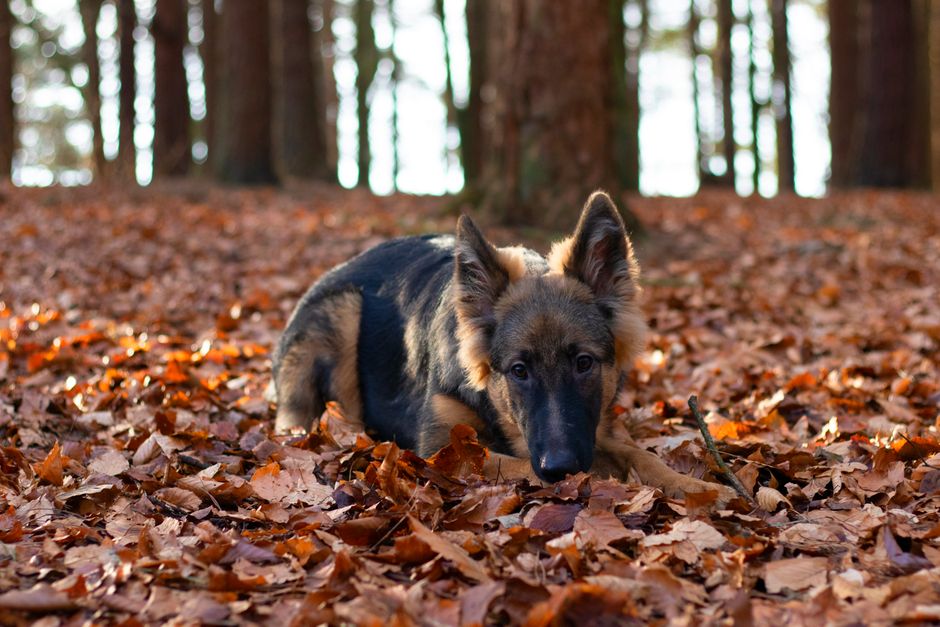
Despite the risks, fall can be a wonderful time to bond with your dog or cat. Enjoy safe outdoor adventures by sticking to familiar paths, supervising playtime in leaf piles, and making sure your pets are always within sight. Indoors, create cozy spaces for your pets to relax, and consider interactive toys or enrichment activities to keep them stimulated as the days grow shorter.
If your pet is enrolled in doggy day camp or attends grooming appointments, communicate with the staff about any health concerns and ensure vaccinations are up to date. For families considering adding a new pet this season, plan ahead to pet-proof your home and schedule a veterinary visit soon after adoption.
By staying alert to seasonal hazards and prioritizing regular veterinary care, you can help your pet enjoy all the beauty and comfort that autumn in Highland Park has to offer.
Your Local Partner in Fall Pet Safety
Fall brings both joy and new responsibilities for Highland Park pet owners. With a little preparation and support from your veterinary team, you can keep your furry companions safe through all the seasonal changes. If you’re looking for a trusted "vet near me" this autumn, the caring professionals at Pets4.com are ready to help.
To schedule a fall wellness check, discuss seasonal safety, or address any urgent questions about your dog or cat’s health, contact our veterinary team at Pets4.com or call (847) 434-2745. For in-person visits, you’ll find us at 661 Central Avenue, Highland Park, IL 60035.
Let us help you and your pets make the most of this beautiful season, safely and with confidence. If you ever have questions, need pet vaccinations, or want to schedule a wellness examination, our team is always here to support your pet’s health—this fall and every season thereafter.
This blog is intended for educational purposes only and should not be used as a substitute for professional veterinary advice. If you believe your pet may have ingested a toxin or is experiencing an emergency, please contact your veterinarian immediately.