Spring Allergies in Pets: Symptoms and Relief in Highland Park

Spring Allergies in Pets: Symptoms and Relief in Highland Park
As the days grow warmer and Highland Park bursts into bloom each spring, many families look forward to more time outdoors with their pets. Yet, for countless dogs and cats in our area, the arrival of spring also brings a wave of discomfort. If your pet seems itchier, is sneezing more, or is losing fur as the trees bud and flowers bloom, you are not alone. Spring allergies are a common challenge for pets in Highland Park and surrounding communities, and understanding how they affect your furry family member is the first step toward helping them feel better. At Pets4Life, located at 661 Central Avenue, Highland Park, IL 60035, our team of veterinarians is committed to supporting you and your pet through every season—especially when allergies threaten your pet’s comfort and happiness.
In this blog, we will explore how spring allergies manifest in pets, the most common symptoms to watch for, what causes these reactions in our local climate, and how our veterinary team can provide relief. We will also share home care tips and explain when it is time to schedule an appointment for professional help. If you are searching for a trusted veterinarian in Highland Park to help your pet manage spring allergies, our comprehensive services and compassionate approach are here for you. For routine health checks that can catch allergy issues early, you can learn more about our wellness examinations as well.
Recognizing Spring Allergy Symptoms in Your Pet
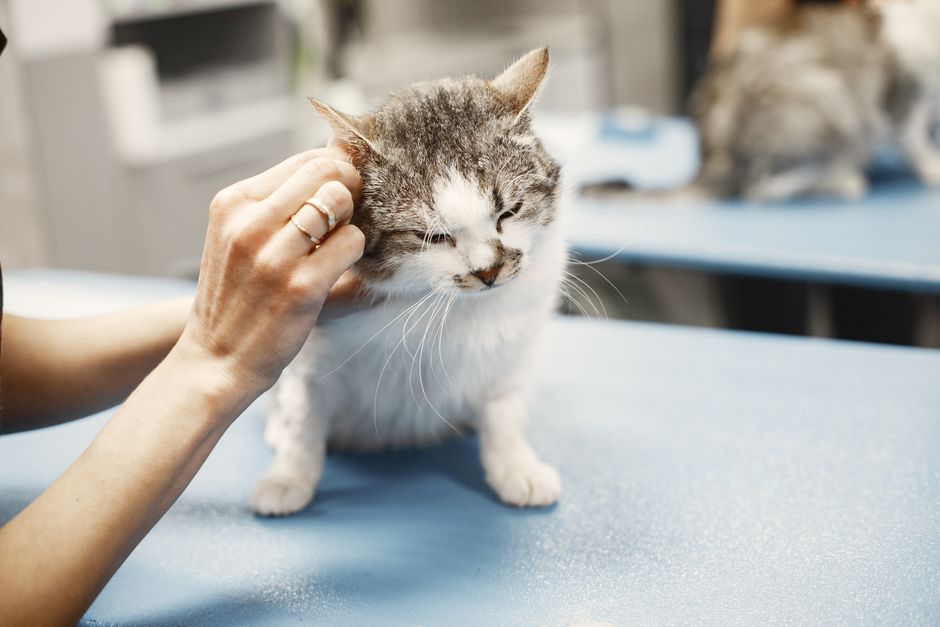
Spring can be a beautiful time in Highland Park, but for pets sensitive to environmental allergens, it often means weeks of discomfort. Identifying allergy symptoms early on can make a significant difference in your pet’s wellbeing. Key signs of allergies in dogs and cats include persistent scratching, licking, or chewing at their skin, as well as frequent head shaking or paw biting. You might notice red, inflamed skin, hair loss in certain areas, or hot spots—especially in places your pet can easily reach with their mouth or paws.
Respiratory symptoms can also occur, particularly in cats. These include sneezing, watery eyes, nasal discharge, and even coughing. Some pets develop recurrent ear infections that do not seem to resolve, while others show general restlessness or difficulty settling down due to itchiness. If you observe your dog or cat rubbing their face along the carpet, chewing at their belly, or developing scabs or sores, these could be signs that spring allergies are at play. Remember that symptoms can appear suddenly as pollen counts rise or after time spent outdoors, so keep an eye on any seasonal changes in your pet’s behavior or appearance.
What Causes Spring Allergies in Highland Park Pets?
Understanding the source of your pet’s discomfort can help you take practical steps to reduce exposure and keep symptoms under control. In Highland Park and the surrounding North Shore area, springtime brings a surge in environmental allergens. The most common culprits are tree and grass pollens, which are released into the air as plants begin to bloom. Additionally, mold spores thrive in damp conditions typical of spring, and dust mites flourish as the weather warms up and windows open.
When pets inhale or come into contact with these allergens—whether by walking through the grass, lying in the yard, or simply going for a stroll—they can develop an exaggerated immune response. Unlike humans, who often show allergy symptoms as sneezing and watery eyes, dogs and cats are more likely to exhibit skin-related reactions. Genetics play a role as well; certain breeds are more prone to allergies, and pets with a history of sensitive skin or previous allergy episodes are at higher risk. Living in a region with abundant parks, gardens, and natural spaces means Highland Park pets are often exposed to greater levels of pollen and outdoor allergens in the spring.
Professional Allergy Treatment and Relief at Pets4Life
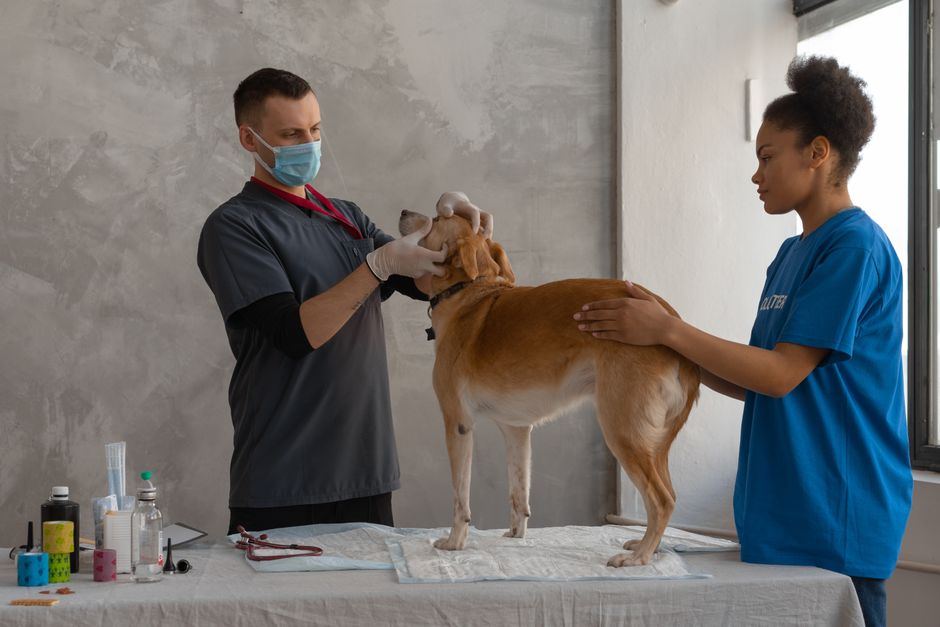
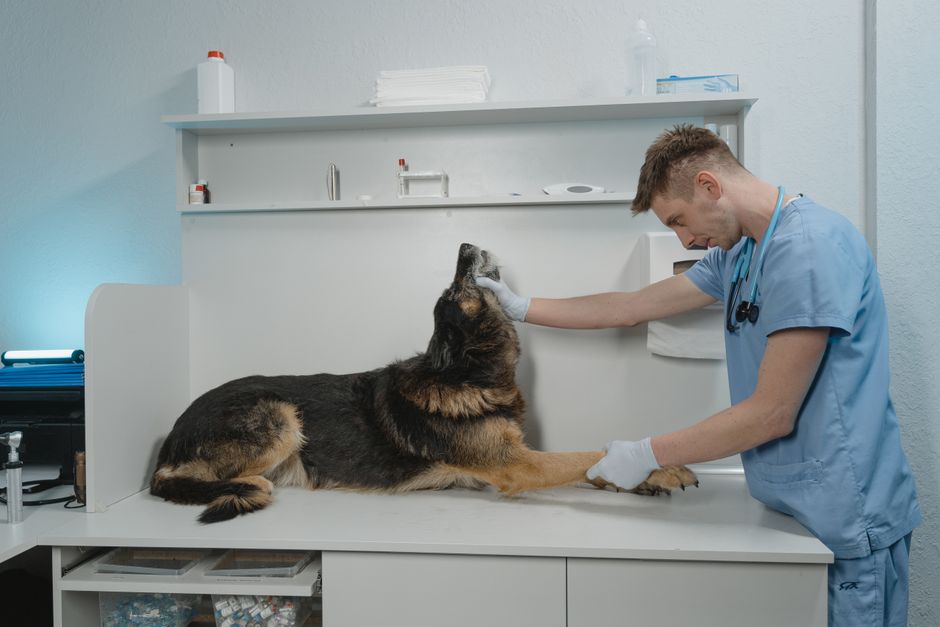
If your pet is struggling with spring allergy symptoms, the veterinary professionals at Pets4Life are here to help. Our approach begins with a thorough wellness examination to rule out other causes of itching or discomfort and to pinpoint the likely allergens. Diagnostic tools such as skin scrapings, laboratory tests, or allergy screening may be recommended if symptoms are persistent or severe.
Treatment options for spring allergies involve several strategies. Our veterinarians often recommend medicated shampoos or topical treatments to soothe irritated skin. In some cases, oral medications such as antihistamines or prescription anti-itch therapies can provide relief. For pets with frequent ear infections or hot spots, targeted care including ear cleaning or topical antibiotics may be necessary. We also discuss long-term management plans, which might involve allergen avoidance, dietary adjustments, or even immunotherapy for pets with chronic symptoms.
At Pets4Life, we tailor every treatment plan to your pet’s specific needs and lifestyle. Our comprehensive veterinary services ensure that whether your pet needs ongoing allergy management, diagnostic testing, or support for related issues, you can rely on our expertise. We encourage regular wellness exams so that any changes in your pet’s skin or behavior can be caught early, allowing for prompt intervention before symptoms worsen.
Home Care and Prevention: Helping Your Pet Thrive This Spring
While professional treatment is essential for moderate to severe allergies, there are many steps you can take at home to minimize your pet’s exposure to springtime allergens. Regularly bathing your dog with a veterinarian-approved, hypoallergenic shampoo can help wash away pollen and soothe itchy skin. For cats and dogs alike, wiping their paws and coat with a damp cloth after outdoor walks can remove lingering allergens before they settle on your pet or spread through your home.
Vacuuming floors and upholstery frequently, washing pet bedding weekly, and keeping windows closed during high pollen days can also reduce allergen levels indoors. For dogs that enjoy spending time in the yard, keeping grass trimmed and avoiding walks during peak pollen hours—typically mid-morning and late afternoon—can limit their exposure. If your pet is on any allergy medications or prescribed treatments from our veterinary team, be sure to administer them as directed to maintain consistent relief.
It is important to remember that while home care can make your pet more comfortable, it does not replace professional evaluation. If you have questions about safe products or strategies for your pet, our veterinarians are always available to offer guidance tailored to your situation. For those who prefer virtual consultations for follow-up questions or minor concerns, our telehealth services make it easy to connect with our veterinary team from the comfort of your home.
When to Schedule a Veterinary Visit for Spring Allergies
Not every bout of scratching or sneezing signals a serious problem, but there are certain signs that indicate your pet needs professional care. If your pet’s symptoms persist for more than a few days, worsen despite home care, or interfere with their quality of life, it is time to call your veterinarian. Warning signs to watch for include raw or bleeding skin, constant licking or chewing, repeated ear infections, hair loss, or sudden changes in appetite or behavior.
Allergies can sometimes lead to secondary infections or complications that require prompt veterinary attention. If you notice swelling, foul odor from your pet’s ears, open sores, or signs of pain, do not wait to seek help. Early intervention is key to preventing chronic issues and ensuring your pet remains happy and healthy throughout the spring. Our veterinary professionals at 661 Central Avenue, Highland Park, IL 60035 are ready to provide the support and care your pet needs.
Helping Your Pet Conquer Spring Allergies in Highland Park
Spring allergies can be frustrating for both pets and their owners, but with the right knowledge and support, your furry companion can enjoy the season comfortably. Keep an eye out for common symptoms like itching, sneezing, or skin changes, and do not hesitate to put prevention steps in place at home. When symptoms arise or persist, scheduling a visit with our veterinary team ensures your pet receives the most effective, compassionate care available in Highland Park.
If you are searching for a "vet near me" to help with spring allergies or overall pet health, look no further than Pets4Life. We welcome you to schedule an appointment for a wellness examination or reach out to discuss your pet’s allergy concerns. Our veterinarians are dedicated to providing personalized solutions and ongoing support, so your dog or cat can thrive—no matter what the season brings.
To book a consultation or ask about our allergy management services, call us at (847) 434-2745 or visit 661 Central Avenue, Highland Park, IL 60035. Let our team of veterinary professionals be your trusted partner in keeping your pet healthy, happy, and allergy-free this spring.
This blog provides general information and is not a substitute for professional veterinary advice. Always consult your veterinarian for personalized recommendations regarding your pet’s health.
For additional resources on pet allergies, the American College of Veterinary Dermatology and Cornell University College of Veterinary Medicine offer helpful guides.