Hip Dysplasia in Dogs: Early Signs and Treatment Options
Hip Dysplasia in Dogs: Early Signs and Treatment Options
If you have noticed your dog slowing down, struggling to get up, or hesitating before jumping onto the couch, you might be concerned about their joint health. Hip dysplasia in dogs is a common orthopedic condition that affects many beloved pets in Highland Park and surrounding communities, especially as they age or if they are larger breeds. At Pets4Life, located at 661 Central Avenue, Highland Park, IL 60035, our veterinary team is dedicated to helping pet owners recognize the early signs of hip dysplasia, understand available treatment options, and support their dogs in staying active and comfortable. In this blog, we will guide you through the early warning signs, explore what causes hip dysplasia in dogs, explain how our team diagnoses and manages this condition, and offer advice on prevention and home care. If you are searching for answers or need a hip evaluation for your dog, our veterinarians are here to help you every step of the way.
Recognizing the Early Signs of Hip Dysplasia in Dogs
Catching hip dysplasia in dogs during its early stages can make a big difference in long-term comfort and mobility. Many pet owners first notice subtle changes in their dog’s behavior or movement. Early signs often include a reluctance to exercise or play as vigorously as usual. You may observe that your dog seems stiff when rising from a resting position, or that they sway or “bunny hop” while running. Some dogs might find it challenging to climb stairs, jump into the car, or keep up on longer walks. You might also notice a decrease in muscle mass in the hind legs, since pain can lead to less use of the affected limb. In some cases, there can be intermittent lameness or limping, which may become more pronounced after activity.
Other dogs might simply seem irritable or less interested in family activities, as chronic discomfort takes a toll on their mood and energy. Since hip dysplasia can progress gradually, these signs are sometimes mistaken for normal aging. However, any persistent change in your dog’s movement or enthusiasm for activity is worth discussing with your veterinarian. At Pets4Life, our veterinary professionals use advanced diagnostic tools, including digital radiology and orthopedic examinations, to assess joint health and identify hip dysplasia early, allowing us to create a plan tailored to your dog’s needs.
What Causes Hip Dysplasia in Dogs?
Hip dysplasia is a developmental disorder that affects the ball-and-socket joint of the hip. In a healthy hip, the ball (femoral head) fits snugly into the hip socket (acetabulum), allowing for smooth and pain-free movement. In dogs with hip dysplasia, the joint develops abnormally, resulting in a loose or unstable fit. Over time, this instability leads to increased wear and tear, inflammation, and eventually, arthritis.
Several factors contribute to the development of hip dysplasia in dogs. Genetics play a significant role, and certain breeds, such as German Shepherds, Labrador Retrievers, Golden Retrievers, and other large or giant breeds, are more susceptible. However, hip dysplasia can occur in dogs of any size or breed. Rapid growth during puppyhood, excessive weight, poor nutrition, and inappropriate exercise can also increase risk. Environmental influences, such as slippery floors or repetitive jumping, may further stress developing joints.
It is important to remember that while you cannot change your dog’s genetics, managing controllable factors—like maintaining a healthy weight and providing appropriate exercise—can reduce the severity or delay the onset of hip dysplasia. Our veterinarians at Pets4Life are experienced in helping pet owners understand these risk factors and customize preventive plans for dogs of all ages.
Diagnosing and Treating Hip Dysplasia in Dogs
How Our Veterinary Team Diagnoses Hip Dysplasia
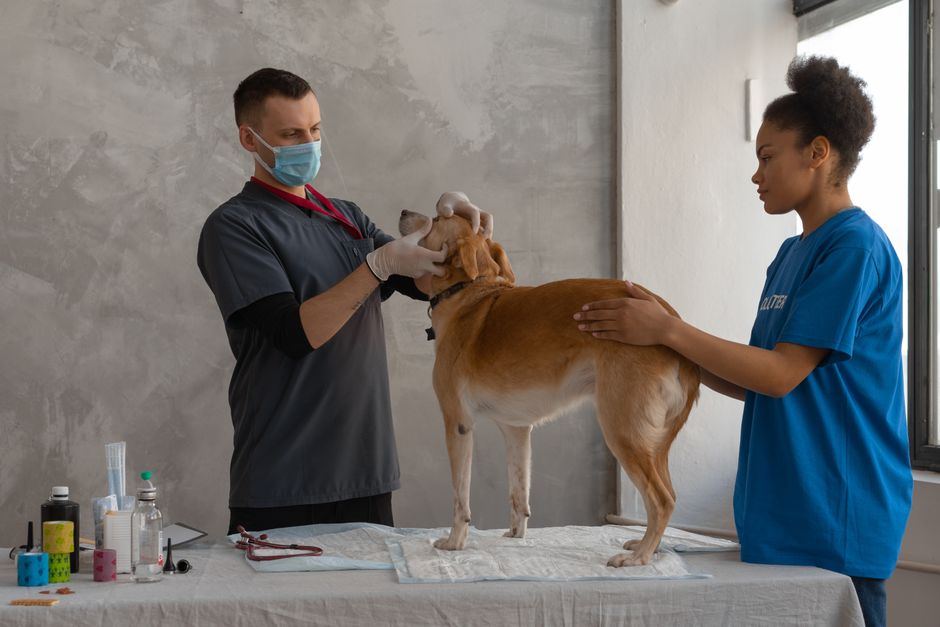
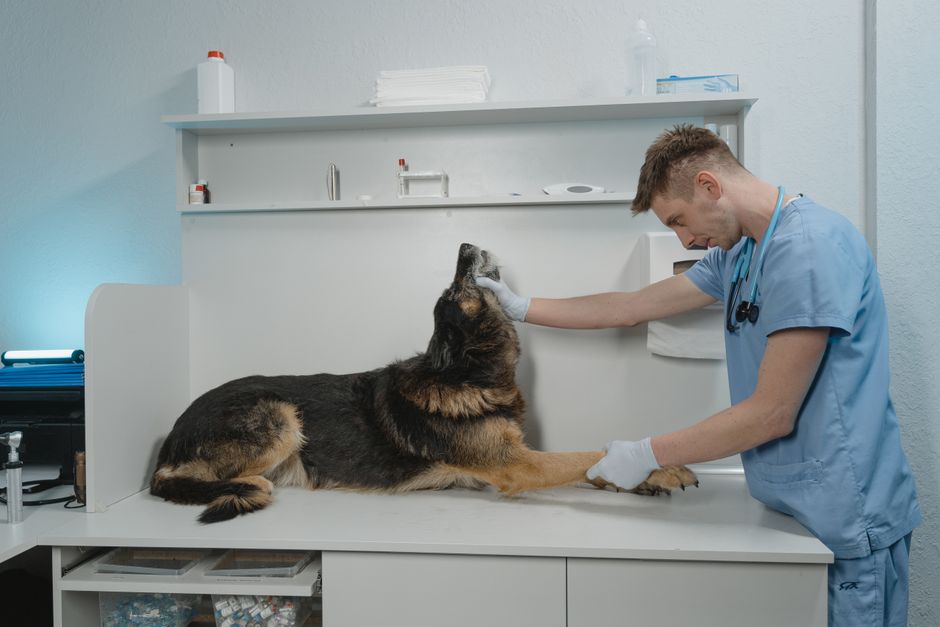
If your dog is showing signs of hip dysplasia, a thorough evaluation by a veterinarian is essential. At Pets4Life, our diagnostic process typically begins with a detailed physical examination, where we assess your dog’s range of motion, observe their gait, and check for signs of pain or muscle loss. To confirm a diagnosis, we often recommend digital radiology, which provides clear images of the hip joints and reveals any malformations or signs of arthritis. Additional tests, such as ultrasounds or in-house laboratory analysis, may be used to rule out other conditions and ensure a complete picture of your dog’s health.
You can learn more about our approach to hip dysplasia diagnosis and treatment and how we support your dog’s recovery journey.
Treatment Options for Hip Dysplasia
Managing hip dysplasia in dogs requires a personalized approach, depending on the severity of the condition and your dog’s individual needs. Treatment options range from conservative management to advanced surgical intervention. For many dogs, early treatment focuses on lifestyle changes and pain management. This includes weight control, as even a few extra pounds can place significant stress on compromised hips. Exercise modification is also critical; gentle, low-impact activities such as leash walks or swimming help keep muscles strong without overloading the joints.
Medical therapies often involve anti-inflammatory medications, joint supplements like glucosamine and chondroitin, and prescription pain relievers in more advanced cases. Our veterinary team may also recommend physical therapy, which can include stretching, massage, and therapeutic exercises to maintain mobility and comfort.
For dogs with moderate to severe hip dysplasia, surgical options may be discussed. Procedures such as femoral head ostectomy (FHO), total hip replacement, or juvenile pubic symphysiodesis are available, depending on age, size, and overall health. We provide guidance on the most appropriate surgical or non-surgical options for your pet, always considering their quality of life and your family’s goals.
Our orthopedic services and experienced veterinarians are here to discuss all available options and support you throughout your dog’s treatment plan.
Home Care and Prevention for Dogs with Hip Dysplasia
Supporting your dog at home plays a vital role in managing hip dysplasia and improving their comfort. Maintaining a healthy weight is perhaps the most important step you can take. Feeding your dog a balanced diet and monitoring treat intake helps reduce unnecessary strain on the hips. Regular, gentle exercise is key; short, controlled walks and swimming are excellent choices for building muscle without causing additional joint stress.
Providing a comfortable, non-slip environment at home can make daily life easier for dogs with hip dysplasia. Consider using area rugs or mats on slippery floors and offering orthopedic bedding to cushion sore joints. Ramps or stairs designed for dogs can help them access favorite resting spots without jumping. Additionally, keeping nails trimmed prevents splaying and supports proper movement.
Joint supplements, such as omega-3 fatty acids, glucosamine, and chondroitin, may be recommended to support cartilage health, but it is important to consult your veterinarian before starting any new supplement. Routine veterinary check-ups allow for ongoing monitoring and adjustment of your dog’s care plan as needed.
When Should You Visit the Veterinarian?
While some discomfort can be managed at home, there are times when prompt veterinary attention is essential. If your dog shows persistent limping, significant difficulty rising, reluctance to move, or signs of severe pain—such as crying out, snapping, or avoiding touch—do not delay scheduling a veterinary appointment. Sudden changes in behavior, appetite, or willingness to exercise should always be taken seriously. Early intervention can slow the progression of hip dysplasia in dogs and improve your pet’s outlook.
At Pets4Life, our veterinarians are ready to provide comprehensive evaluations, advanced diagnostics, and compassionate support. Whether you are in Highland Park or nearby communities, we are here to help you decide when professional care is needed. If you are unsure whether your dog’s symptoms warrant a visit, our team is always available to answer your questions and guide you through the next steps.
Take Action: Keep Your Dog Comfortable and Active
Hip dysplasia in dogs does not have to mean the end of an active, joyful life. With early recognition, proactive veterinary care, and ongoing home support, many dogs thrive despite this diagnosis. If you are searching for a "vet near me" to help your dog with joint pain or mobility issues, look no further than Pets4Life in Highland Park. Our veterinary team combines expertise, advanced technology, and a genuine passion for helping pets live their best lives.
To schedule a hip evaluation or learn more about our hip dysplasia services, call us at (847) 434-2745 or visit us at 661 Central Avenue, Highland Park, IL 60035. Our veterinarians can answer your questions, provide a thorough diagnosis, and create a personalized treatment plan for your dog. Remember, early action makes all the difference in managing hip dysplasia in dogs. Give your pet the gift of comfort and mobility—reach out to our caring team today.
This blog is intended for informational purposes only and does not substitute for professional veterinary advice. Always consult your veterinarian for diagnosis and treatment recommendations tailored to your pet’s individual needs. For more information on canine hip dysplasia, visit the American College of Veterinary Surgeons.