Do Dogs and Cats Need Professional Dental Cleanings?
Do Dogs and Cats Need Professional Dental Cleanings?
As a pet owner, you naturally want your dog or cat to live a long, comfortable, and healthy life. One crucial but often overlooked part of their overall well-being is dental health. At Pets4Life, located right here in 661 Central Avenue, Highland Park, IL 60035, our veterinary team is committed to helping you understand whether your pet needs a professional dental cleaning, how to recognize the signs of dental disease, and why dental care matters for your pet’s quality of life. Whether you’ve noticed bad breath in your pet, yellowing teeth, or you’re simply staying proactive, this guide will walk you through everything you need to know about professional pet dental cleanings, what to expect at our hospital, and how dental health affects your dog or cat from nose to tail.
Throughout this article, you’ll learn how to spot the signs that your pet may need a dental cleaning, the underlying causes of dental problems in dogs and cats, how professional veterinary dental care can benefit your pet, and what you can do at home to help prevent future issues. If you’re searching for professional dental cleaning services for pets in Highland Park and surrounding communities, the team at Pets4Life is here to help your pet maintain a bright, healthy smile.
Recognizing Dental Problems: Signs Your Dog or Cat May Need a Professional Cleaning
Dental disease is one of the most common health problems in both dogs and cats, yet it often goes unnoticed until it causes discomfort or significant health concerns. Recognizing the early warning signs can help you address problems before they become severe. Sometimes, the signs are subtle, such as mild bad breath or a slight build-up of tartar. In other situations, your pet may show more noticeable symptoms.
Key signs that your dog or cat could benefit from a professional dental cleaning include persistent bad breath, visible yellow or brown tartar on the teeth, red or swollen gums, bleeding from the mouth, reluctance to eat or chew, dropping food while eating, pawing at the mouth, and a sudden preference for soft food over dry kibble. Additionally, you may notice that your pet seems less playful, is sleeping more than usual, or shies away from having their face touched. While some pets are stoic and hide discomfort well, ongoing mouth pain can significantly affect their quality of life.
If you observe any of these changes in your pet’s behavior or appearance, it’s a strong indication that a dental examination may be needed. Our team at Pets4Life recommends regular check-ups to catch dental disease early, even if your pet seems to be acting normally.
Why Dental Disease Happens in Pets
Understanding the root causes of dental problems in pets can help you see why professional cleanings are so important. Dental disease in dogs and cats typically begins with the accumulation of plaque—a soft, sticky film of bacteria—on the teeth. If not removed, this plaque hardens into tartar, which collects along the gumline. In time, bacteria in the plaque and tartar cause inflammation of the gums (gingivitis), leading to more severe conditions like periodontal disease, tooth loss, and even infection that can spread to other organs.
Factors contributing to dental disease in pets include diet, age, breed, genetics, and oral care routines at home. Small dog breeds and certain cats are especially prone to dental problems due to the shape of their mouths and crowded teeth. Senior pets are at higher risk because dental disease is cumulative over time. Pets that eat only wet food or those who do not receive regular tooth brushing at home may develop problems more quickly.
Environmental factors, such as access to chew toys or dental diets, can play a role in slowing down tartar accumulation, but they are not substitutes for professional care. Even with diligent home care, most pets will eventually need a thorough dental cleaning performed by a veterinary team to remove plaque and tartar beneath the gumline—where brushing alone cannot reach.
What Happens During a Professional Dental Cleaning at Pets4Life?
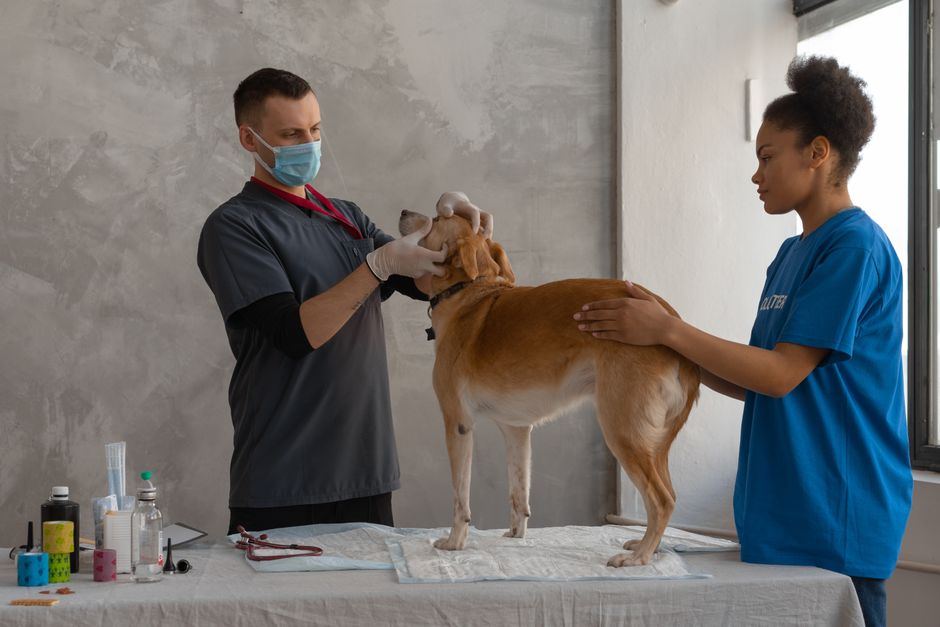
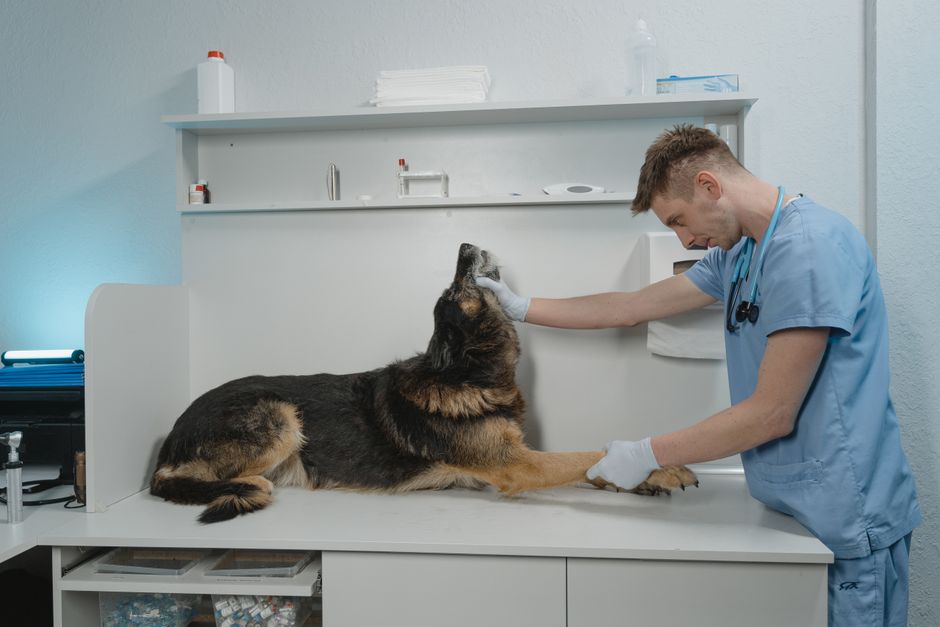
When you schedule a dental cleaning for your dog or cat at Pets4Life, you can expect a comprehensive approach focused on safety, comfort, and thoroughness. The process begins with a pre-anesthetic exam and bloodwork to ensure your pet is healthy enough for anesthesia. Anesthesia is necessary for dental cleanings in pets because it allows our veterinary professionals to thoroughly examine the mouth, clean above and below the gumline, take dental X-rays, and perform any needed treatments without causing your pet stress or pain.
During the cleaning, our team will carefully scale away tartar and plaque from all tooth surfaces, including those hidden below the gumline. We then polish the teeth to smooth the surface and discourage future plaque build-up. Dental radiographs (X-rays) are often performed to detect issues beneath the surface, such as root abscesses, bone loss, or impacted teeth. If necessary, our veterinarians may recommend additional procedures, such as dental radiography to assess hidden problems or even pet tooth extractions if a tooth is severely damaged.
Throughout the procedure, your pet is closely monitored for safety and comfort. After the cleaning, we provide you with detailed home care instructions and discuss any follow-up care that may be needed. Most pets recover quickly from anesthesia and feel much better, especially if they were experiencing discomfort from dental disease.
Benefits of Professional Dental Cleanings for Your Pet’s Health
Investing in regular professional dental cleanings offers significant benefits for your pet’s overall health and happiness. Beyond freshening your pet’s breath and improving the appearance of their teeth, dental cleanings can prevent painful oral infections, tooth loss, and damage to the gums and jawbone. Untreated dental disease has been linked to problems in other organ systems, such as the heart, kidneys, and liver, because bacteria from the mouth can enter the bloodstream and travel throughout the body.
Pets that receive regular dental care are often more active, eat better, and experience fewer health issues as they age. Owners frequently notice a positive change in their pet’s demeanor after a professional cleaning, such as increased playfulness and a greater interest in food. By keeping your pet’s mouth healthy, you’re helping them avoid unnecessary pain, expensive emergency treatments, and chronic health problems down the road.
If you’re curious about the full range of dental health services available for your pet, you can explore our overview of veterinary dental care services to see how we support oral health at every stage of life.
What You Can Do at Home to Support Your Pet’s Dental Health
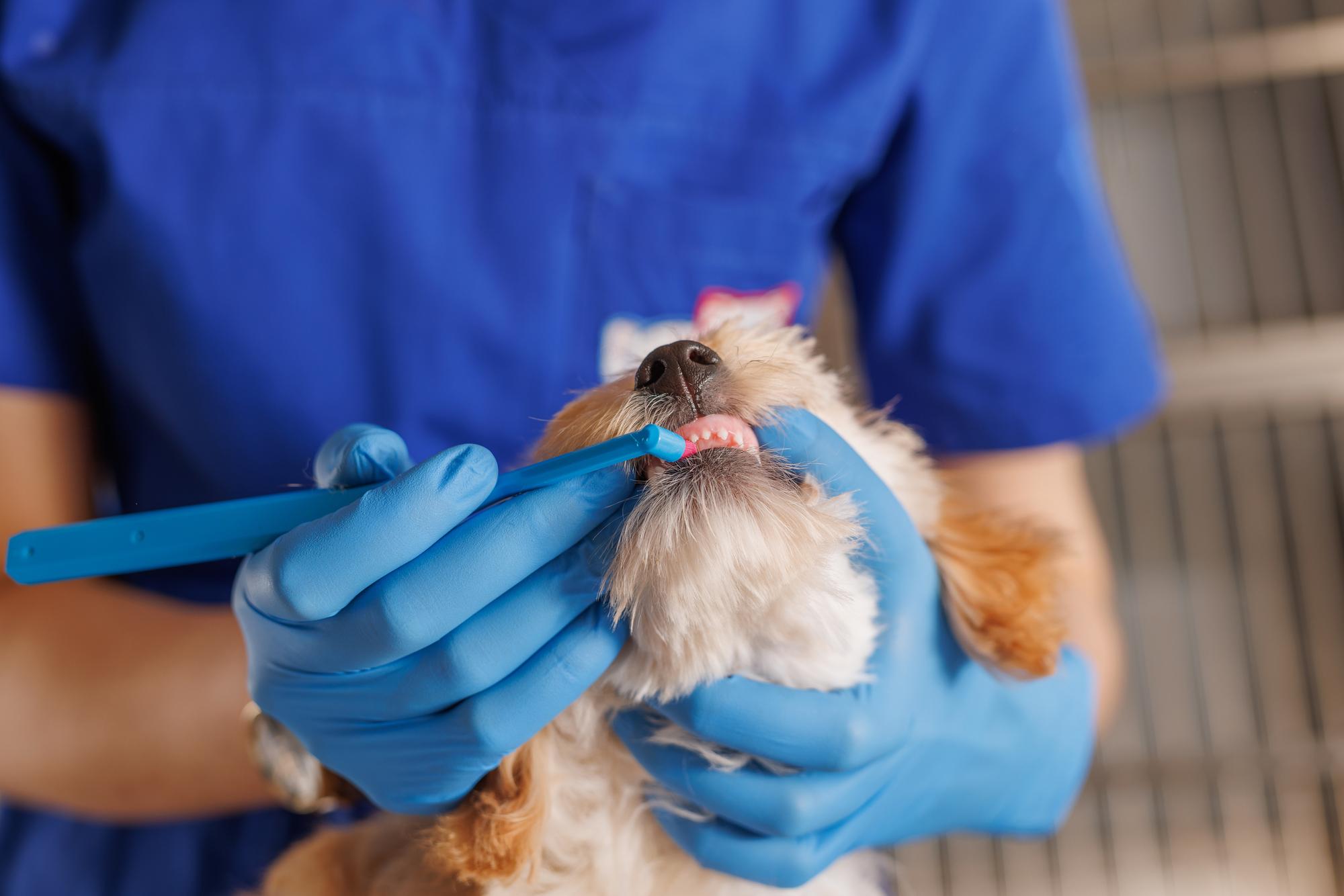
While professional dental cleanings are the gold standard for removing tartar and treating advanced dental disease, there is much you can do at home to help maintain your dog or cat’s oral health between visits. Daily tooth brushing with a pet-safe toothpaste is one of the most effective ways to slow down plaque formation. If your pet is new to brushing, start gradually by letting them lick the toothpaste from your finger, then slowly introduce the brush.
Dental diets, treats, and chews can also help reduce plaque, but they should be used as part of an overall dental care plan rather than as a substitute for brushing or professional cleanings. Providing your pet with safe chew toys can help promote healthy teeth and gums. Always look for products approved by the Veterinary Oral Health Council (VOHC) for proven effectiveness.
Regularly inspect your pet’s mouth at home for signs of trouble, such as red or bleeding gums, broken teeth, or foul odor. Early detection is key, so if you notice any changes, reach out to our veterinary team in Highland Park for guidance. Remember, no at-home routine can replace the need for regular veterinary dental evaluations and cleanings, but your efforts can make a meaningful difference in your pet’s comfort and health.
When to Schedule a Dental Cleaning and How to Find the Right Vet
Determining the right time for a professional dental cleaning depends on your pet’s age, breed, and individual risk factors. Most pets benefit from annual dental evaluations as part of their wellness exam, but some may need more frequent care. Puppies and kittens can start dental care routines early, while senior pets and those prone to dental disease may require closer monitoring.
If you notice persistent bad breath, difficulty eating, loose or broken teeth, or any other concerning signs mentioned earlier, it’s best to schedule an appointment as soon as possible. Dental disease progresses silently, and waiting too long can lead to more complex—and costly—treatment.
When searching for a veterinarian near me, look for a veterinary hospital that offers comprehensive dental care, including cleaning, dental X-rays, and oral surgery if needed. At Pets4Life, our experienced veterinarians and skilled support team are dedicated to providing the highest standard of dental care for dogs and cats in Highland Park and surrounding communities. Our hospital is equipped with advanced diagnostic tools and a compassionate approach to ensure your pet receives the safest, most thorough care possible.
Protect Your Pet’s Smile: Schedule a Dental Cleaning at Pets4Life
Your pet’s dental health is a vital part of their overall well-being. By recognizing the signs of dental disease early, understanding the risks, and investing in professional dental cleanings, you can help your dog or cat live a happier, healthier life. Our veterinary team at Pets4Life is here to support you every step of the way, from routine check-ups to advanced dental treatments.
If you have questions about your pet’s oral health or are ready to schedule a dental cleaning, contact our team at (847) 434-2745 or visit us at 661 Central Avenue, Highland Park, IL 60035. To learn more about our professional dental cleaning services for pets or the full range of dental care we offer, our website is always available for additional resources. Let’s work together to keep your pet’s teeth clean, their breath fresh, and their smile bright for years to come.
Medical Disclaimer: The information in this blog is intended for educational purposes only and does not replace professional veterinary advice. If you have concerns about your pet’s health, please schedule an appointment with your veterinarian for a personalized evaluation and treatment plan.