Hip Dysplasia in Dogs: Causes, Symptoms, and Treatment

Hip Dysplasia in Dogs: Causes, Symptoms, and Treatment
Is your dog in Highland Park struggling to get up, limping after exercise, or showing signs of discomfort? Hip dysplasia in dogs is a common and potentially painful orthopedic condition that affects many canine companions, especially as they age or if they belong to certain breeds. At Pets4Life, located conveniently at 661 Central Avenue, Highland Park, IL 60035, we understand how concerning it is to see your pet lose their playful spirit due to joint problems. In this guide, we will explore the causes of hip dysplasia in dogs, the symptoms you should watch for, how our veterinary team diagnoses and treats this condition, and steps you can take to help your pet stay active and comfortable. If you’re searching for answers or considering whether your dog may need an evaluation, our comprehensive approach ensures your pet receives the highest standard of care right here in Highland Park and surrounding communities. For more detailed information about our approach, you can also visit our hip dysplasia treatment page.
Recognizing Hip Dysplasia in Dogs: Signs and Symptoms
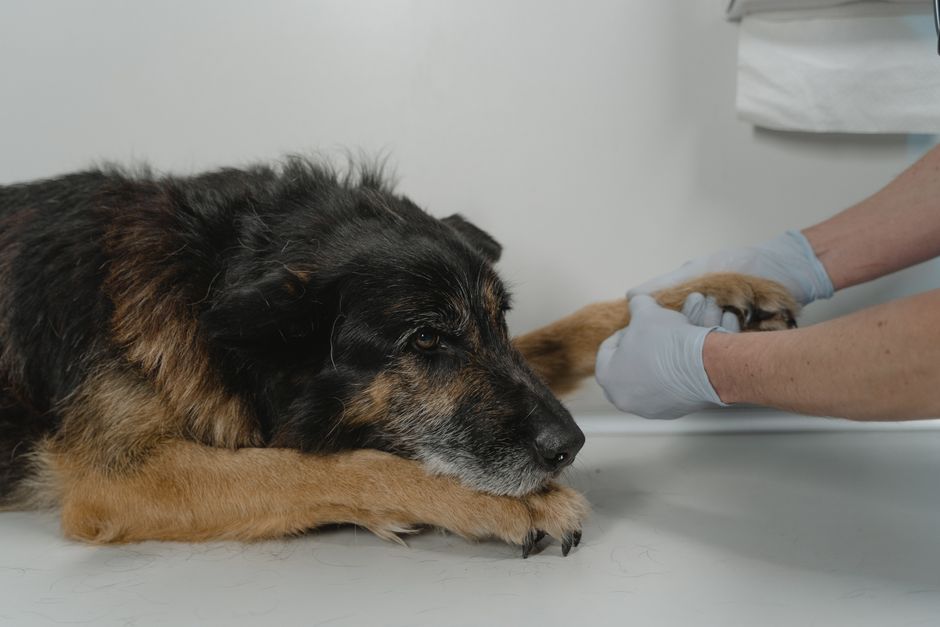
Understanding when hip dysplasia in dogs might be affecting your pet’s quality of life is the first step toward helping them feel better. This condition can develop gradually, so the earliest signs are often subtle and easy to overlook. Key symptoms include difficulty rising after rest, a reluctance to jump onto furniture or into the car, and a noticeable decrease in activity levels. Some dogs show limping or lameness in their hind legs, while others develop a “bunny hop” gait, using both back legs together when running. You might also notice a loss of muscle mass in the hindquarters, stiffness after exercise, or discomfort when the hips are touched. In some cases, dogs may seem irritable or less willing to play due to chronic pain.
It’s important to remember that these symptoms can also be seen with other orthopedic or neurological conditions. If your dog displays any of these changes, a veterinary examination is essential for an accurate diagnosis. Our veterinarians at Pets4Life are skilled in evaluating mobility issues and work closely with pet owners to identify the underlying cause.
Understanding the Causes of Hip Dysplasia in Dogs
Hip dysplasia in dogs is primarily a genetic condition, meaning some breeds are more prone to developing it than others. Large and giant breeds such as German Shepherds, Labrador Retrievers, and Golden Retrievers are especially at risk, but it can affect dogs of any size or breed. Genetics play a significant role, but other factors contribute as well. These include rapid growth during puppyhood, excessive weight gain, improper nutrition, and lack of appropriate exercise. Environmental factors like slippery floors or frequent jumping can worsen the impact on developing joints.
The condition occurs when the hip joint, which is a ball-and-socket structure, does not develop properly. Instead of fitting snugly, the ball and socket are loose, leading to abnormal movement, increased joint wear, and eventually arthritis. Over time, this causes pain, reduced mobility, and changes in the dog’s behavior or activity level.
By understanding these causes, pet owners can be proactive in reducing risk factors and monitoring at-risk dogs more closely. Our veterinary professionals at Pets4Life are always ready to discuss your pet’s risk profile and offer tailored advice for prevention and early detection.
How Hip Dysplasia in Dogs is Diagnosed and Treated at Pets4Life
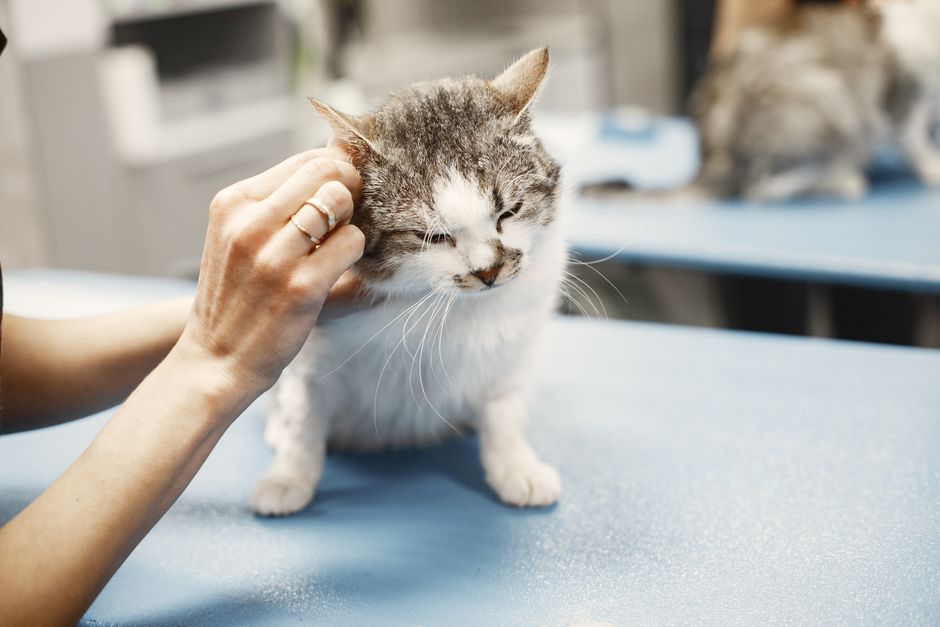
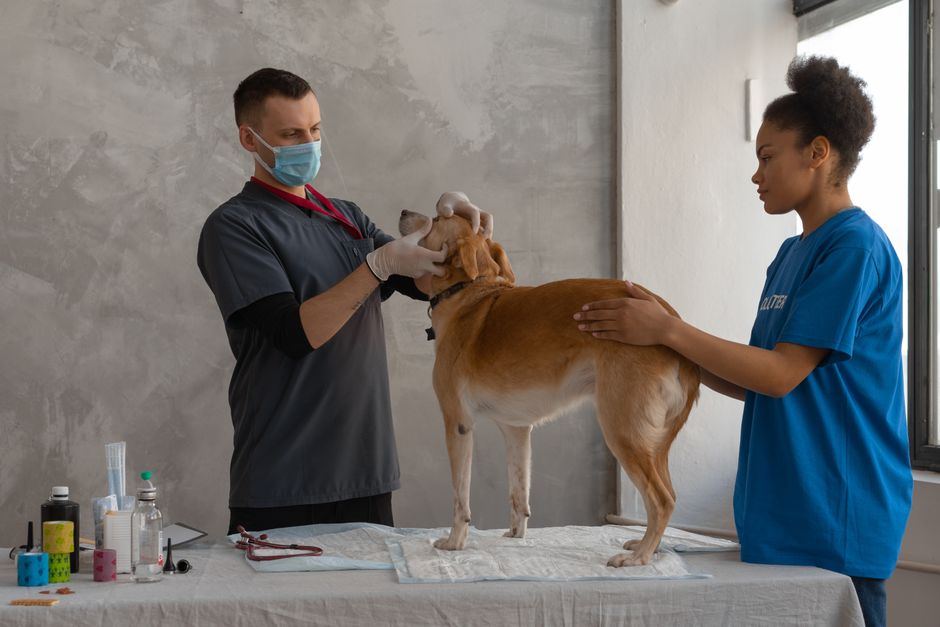
When you bring your dog to Pets4Life with concerns about hip dysplasia, our approach starts with a thorough physical examination and a detailed history of your pet’s symptoms. Your veterinarian will assess your dog’s gait, range of motion, and muscle tone. We often recommend digital radiography (X-rays) to visualize the structure of the hip joints and confirm the diagnosis. In some cases, additional diagnostic tools such as ultrasounds or laboratory tests may be suggested to rule out other conditions.
Treatment for hip dysplasia in dogs depends on the severity of the disease and your dog’s overall health. Conservative management is often the first step for mild to moderate cases, focusing on weight management, controlled exercise, and physical therapy. Medications to reduce pain and inflammation, as well as joint supplements containing glucosamine and chondroitin, are commonly prescribed. For some dogs, advanced therapies such as laser therapy, acupuncture, or specialized rehabilitation exercises can provide additional relief.
When conservative treatment does not provide enough improvement or when the condition is advanced, surgical options may be considered. At Pets4Life, our veterinary team is skilled in a range of surgical procedures including femoral head ostectomy (FHO) and total hip replacement. We understand surgery can be a significant decision for pet owners, so we guide you through the process, discuss the expected outcomes, and help you determine the best course of action for your dog. Learn more about these treatment options by visiting our hip dysplasia information page.
Every treatment plan at Pets4Life is tailored to your pet’s unique needs, lifestyle, and health status. Our goal is to maximize your dog’s comfort, mobility, and overall quality of life.
Prevention and Home Care for Dogs Prone to Hip Dysplasia
Although genetics play a powerful role, there are several steps you can take at home to help lower your dog’s risk for hip dysplasia or to slow the progression of the disease. Maintaining a healthy weight is critical; extra pounds put additional stress on joints and worsen existing problems. Regular, low-impact exercise such as walking or swimming helps keep joints flexible and muscles strong. Avoid activities that involve excessive jumping or twisting, especially in puppies or young dogs.
Feeding a balanced diet suitable for your dog’s age and size supports proper bone and joint development. Your veterinarian can recommend specific foods or supplements that may benefit at-risk breeds. Providing supportive bedding and non-slip surfaces in your home can also reduce joint strain.
At Pets4Life, we partner with pet owners to design practical, sustainable home care routines. Our veterinarians are happy to discuss customized exercise plans, nutrition strategies, and pain management options during your pet’s wellness exams.
When to See the Veterinarian: Ensuring the Best Outcome for Your Dog
If you notice your dog is struggling to rise, hesitating to jump, limping, or showing any signs of pain or reduced mobility, it’s time to schedule an appointment with our veterinary team at Pets4Life. Early intervention is crucial; prompt diagnosis and treatment can slow disease progression and help your dog maintain an active, happy life.
While occasional stiffness after vigorous play may be normal, persistent or worsening symptoms signal that something more serious could be occurring. Dogs with hip dysplasia benefit from regular check-ups so treatment plans can be adjusted as their needs change. If your dog seems suddenly unable to walk or is in severe pain, contact your veterinarian immediately.
Our comprehensive approach, advanced diagnostics, and commitment to ongoing care make us a trusted resource for pet families in Highland Park and surrounding communities. For more information on hip dysplasia in dogs, or to see how we can help, refer to our hip dysplasia treatment resource.
Keeping Your Dog Comfortable: Next Steps and Local Support
Hip dysplasia in dogs is a challenging condition, but with early recognition and proactive management, most dogs can enjoy a good quality of life. If you are concerned about your pet’s mobility or suspect hip dysplasia may be affecting your dog, our veterinary professionals at Pets4Life are here to help every step of the way. We encourage you to schedule an appointment with our team for a thorough evaluation, personalized treatment recommendations, and ongoing support.
When searching for a vet near me, look for a clinic like Pets4Life that combines medical expertise, advanced treatment options, and genuine compassion for both pets and their families. We are conveniently located at 661 Central Avenue, Highland Park, IL 60035 and serve Highland Park and the surrounding communities.
To learn more about our approach to hip dysplasia in dogs or to book your pet’s consultation, call us at (847) 434-2745. Our veterinarians are dedicated to helping your dog move comfortably and live life to the fullest. For further reading about hip dysplasia care, visit our hip dysplasia information page.
This article is intended for informational purposes only and does not replace professional veterinary advice. Always consult your veterinarian for specific guidance regarding your pet’s health and treatment options.