May Pet Allergies: How to Help Your Itchy Dog or Cat
May Pet Allergies: How to Help Your Itchy Dog or Cat
Spring in Highland Park is a beautiful time of year, but for many pet owners, it also signals the start of allergy season. If you have noticed your dog or cat scratching more than usual, licking their paws, or developing red, irritated skin, you are not alone. Seasonal pet allergies are a common issue in the spring and early summer as trees, grasses, and flowers release pollen across Highland Park and surrounding communities. At Pets4Life, located at 661 Central Avenue, Highland Park, IL 60035, our team of veterinarians understands how frustrating and uncomfortable allergy symptoms can be for your furry friend. In this blog, we will help you recognize the signs of allergies in your pet, explain what causes them, discuss available treatment options, and share practical tips for making your dog or cat more comfortable at home. If you are concerned about your pet’s scratching or want guidance on managing allergies, our comprehensive veterinary services are here to support you every step of the way.
Recognizing Allergies in Your Dog or Cat
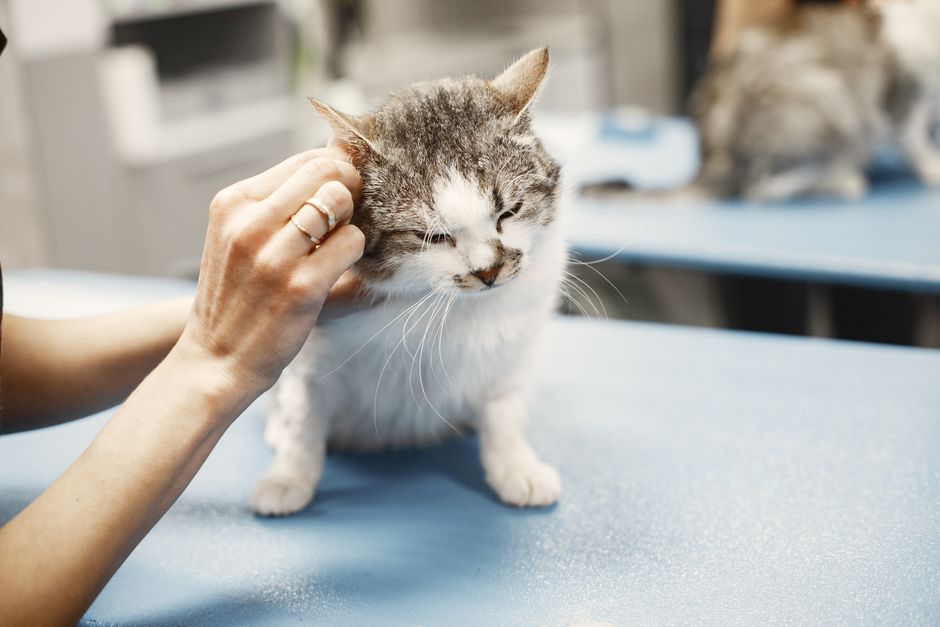
Pet allergies can show up in a variety of ways, and symptoms may range from mild itching to more severe skin or respiratory issues. Knowing what to look for is the first step in helping your pet feel better. For many dogs and cats, the most noticeable sign of allergies is persistent itching. You might see your dog scratching at their ears, licking their paws excessively, or rubbing their face along the carpet. Cats may groom themselves more frequently, sometimes to the point of creating bald spots or red, inflamed skin.
Other common symptoms include red or watery eyes, sneezing, coughing, or a runny nose. You may also notice hot spots—raw, moist areas on the skin where your pet has been licking or chewing. Ear infections are another frequent companion of allergies, especially in dogs with floppy ears. Some pets develop chronic digestive issues, such as vomiting or diarrhea, as their bodies react to allergens in their environment or diet.
It is important to remember that not all itching is caused by allergies; fleas, mites, infections, and other medical problems can create similar symptoms. If your pet’s discomfort is persistent, getting worse, or not responding to basic home care, a professional wellness examination at Pets4Life can help determine the underlying cause.
What Causes Seasonal Allergies in Pets?
Seasonal allergies, also known as atopic dermatitis or environmental allergies, happen when your dog’s or cat’s immune system overreacts to substances in their environment. In Highland Park, the most common triggers include pollen from trees, grasses, and weeds that become airborne during the spring and early summer months. Mold spores and dust mites can also contribute to allergy symptoms, especially in pets that spend more time indoors.
Unlike people, who often experience sneezing and watery eyes as their main allergy symptoms, pets are more likely to develop skin problems. Their immune systems react to inhaled or absorbed allergens by triggering inflammation in the skin, leading to itching, redness, and irritation. Some pets are genetically predisposed to allergies, so if your dog or cat has experienced similar problems in past years, they may be more likely to have flare-ups again this spring.
Food allergies can sometimes mimic or worsen seasonal allergies. If your pet’s symptoms are present year-round or do not improve with changes in the environment, your veterinarian may discuss the possibility of food sensitivities and recommend a dietary trial.
Treatment Options for Pet Allergies
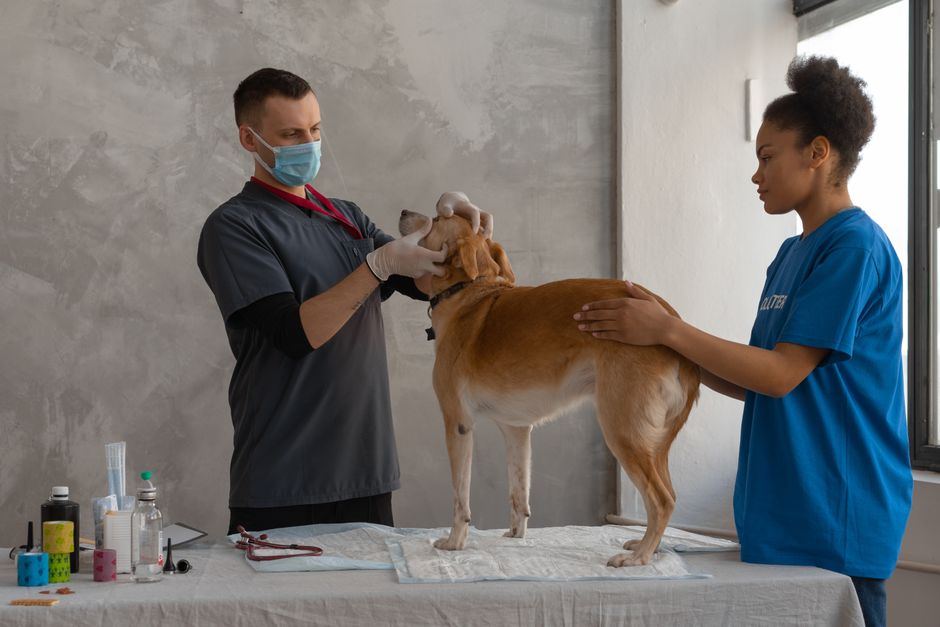
Effectively managing pet allergies often requires a combination of professional veterinary care and supportive home strategies. At Pets4Life, our veterinary team will begin by performing a thorough examination and gathering a detailed history of your pet’s symptoms, environment, and diet. Diagnostic tests, such as skin scrapings, cytology, or bloodwork, may be recommended to rule out infections and parasites.
Treatment approaches depend on the severity of your pet’s symptoms and the specific triggers involved. For mild cases, regular bathing with hypoallergenic or medicated shampoos can help remove pollen and soothe irritated skin. Your veterinarian may prescribe topical treatments, such as sprays or ointments, to relieve itching and reduce inflammation. In some cases, oral medications like antihistamines, steroids, or newer allergy-specific drugs (such as Apoquel or Cytopoint for dogs) may be used to control more severe itching.
If your pet develops secondary infections—such as bacterial or yeast overgrowth from excessive scratching—your veterinarian will address these with appropriate medications. Managing chronic ear infections may involve ear cleaning solutions and targeted ear drops.
For pets with persistent or severe allergies, allergy testing and immunotherapy (allergy shots or oral drops) are options that can help desensitize the immune system over time. These treatments are tailored to your pet’s specific allergens and can provide long-term relief in many cases.
Ongoing communication with your veterinarian is key. Telehealth consultations are available at Pets4Life for follow-up questions or to monitor your pet’s response to treatment. To learn more about how our telehealth veterinary consultations can support your pet’s health, visit our service page.
Making Your Pet Comfortable at Home
While medical treatment is important, there are many simple changes you can make at home to help minimize your pet’s exposure to seasonal allergens and reduce their discomfort. Regularly wiping down your dog’s or cat’s fur and paws after outdoor walks can help remove pollen before it is tracked inside. Frequent bathing with a gentle, veterinarian-recommended shampoo can also wash away allergens and soothe itchy skin.
Vacuuming your home often, using air purifiers, and washing pet bedding frequently can lower the amount of pollen, dust, and mold your pet encounters indoors. Keeping windows closed during high pollen count days and using air conditioning can further reduce exposure.
Pay attention to your pet’s diet and hydration. Omega-3 fatty acids, found in certain supplements, may support skin health and decrease inflammation. Always check with your veterinarian before starting any new supplement to ensure it is appropriate and safe for your dog or cat.
If your pet has a history of allergies, it is helpful to track their symptoms each year. Keeping a diary of when signs appear, what environmental changes have occurred, and any new foods or products introduced can provide valuable information for your veterinarian.
When to Call Your Veterinarian
Mild itching and occasional sneezing do not always require an immediate trip to the clinic. However, there are certain signs that should prompt you to schedule an appointment at Pets4Life. If your pet is scratching so much that they are losing hair, developing open sores, or causing themselves pain, professional help is needed. Persistent ear infections, foul odors, or shaking of the head can indicate deeper problems that require veterinary attention.
Other red flags include difficulty breathing, swelling of the face or muzzle, severe lethargy, or sudden vomiting and diarrhea. These symptoms could signal a serious allergic reaction or another underlying health issue.
If you are unsure whether your pet’s symptoms are severe enough to warrant a visit, our veterinary team is happy to provide guidance. Sometimes a quick wellness examination can catch early signs of allergies and help prevent complications. Remember, the sooner your pet receives appropriate care, the more comfortable they will be throughout allergy season.
Supporting Your Pet’s Health Throughout Allergy Season
Living with a pet who suffers from seasonal allergies can be challenging, but you do not have to manage it alone. At Pets4Life in Highland Park, our veterinary professionals are dedicated to helping your dog or cat feel their best year-round. By recognizing the signs of allergies early, taking proactive steps at home, and partnering with your local veterinary team, you can make a real difference in your pet’s comfort and wellbeing.
If you are searching for a trusted "vet near me" to help with pet allergies, consider scheduling a visit with our team at 661 Central Avenue, Highland Park, IL 60035. Whether you need a comprehensive veterinary service, have questions about allergy management, or want to discuss preventive strategies, our veterinarians are here to help. Call us at (847) 434-2745 to book your appointment and let us partner with you in keeping your pet happy and healthy during allergy season and beyond.
This blog is for informational purposes only and does not replace professional veterinary advice. Always consult your veterinarian regarding any questions or concerns about your pet’s health.