Essential Grooming Tips for Dogs and Cats in May
Essential Grooming Tips for Dogs and Cats in May
Spring in Highland Park, IL, brings longer days and warmer weather—perfect for outdoor adventures with your dog or lazy afternoons with your cat by the window. As the seasons shift, so do your pet’s grooming needs. Shedding increases, coats can become matted more easily, and lingering mud or pollen can leave your pet less than fresh. At Pets4Life, located at 661 Central Avenue, Highland Park, IL 60035, our veterinary team understands how important it is to keep your pet looking and feeling their best this time of year. In this blog, we’ll guide you through essential grooming tips for both dogs and cats in May, discuss the benefits of professional grooming, and help you recognize when it’s time to seek expert care.
Whether you’re a seasoned pet owner or new to the world of grooming, you’ll find practical advice for at-home coat care, insight into common grooming challenges, and direction on when to turn to the professionals at Pets4Life. We’ll also touch on why routine grooming goes far beyond appearance—it’s a vital part of your pet’s overall health and comfort. If you’re searching for professional grooming and spa services for pets near Highland Park and surrounding communities, our veterinary team is here to support you and your companion all season long.
Recognizing When Your Pet Needs Grooming Attention
It’s easy to spot when your pet is due for a bath after a romp through a muddy yard, but subtler signs often go unnoticed until discomfort sets in. For dogs, symptoms that grooming is overdue include a dull or greasy coat, increased scratching, visible mats behind the ears or around the tail, and a persistent doggy odor. Cats, especially longhaired breeds, can develop tangles or mats that feel firm to the touch, and you might observe more frequent hairballs, reluctance to be brushed, or excessive licking that doesn’t resolve the problem.
Additionally, both dogs and cats may display red or irritated skin, dirty ears, or overgrown nails that click on hard surfaces. Seasonal shedding is another sign—if you notice fur accumulating on furniture or clothing more than usual, your pet may need a thorough brush-out. Watch for discomfort during movement, which can indicate that mats are pulling at the skin or nails are too long. Addressing these issues early helps prevent more serious complications and keeps your pet comfortable.
Why Grooming Challenges Arise in Spring
May brings a surge of grooming needs for both dogs and cats in the Highland Park area. Warmer temperatures trigger seasonal shedding as pets lose their winter coats, leading to increased loose hair around your home and the risk of tangles or mats, especially in double-coated or longhaired breeds. Outdoor play becomes more frequent, so mud, pollen, and debris can collect in your pet’s fur, between their toes, and around their ears.
Humidity can also play a role, making tangled fur more likely to mat and creating a damp environment that encourages bacterial or yeast growth on the skin. For cats, spring means more time spent grooming themselves, which can result in hairballs if loose fur isn’t removed regularly. Allergens from newly blooming plants may irritate sensitive skin or ears, leading to additional scratching or discomfort.
Underlying health issues can also make grooming more challenging. Pets with arthritis or other mobility concerns may struggle to groom themselves effectively, while pets with chronic skin conditions or allergies may develop more pronounced symptoms as the environment changes. Recognizing these contributing factors allows you to adapt your grooming routine to your pet’s evolving needs.
Professional Grooming and Veterinary-Supported Care
While regular brushing and bathing at home are essential, some grooming tasks are best left to professionals. The veterinary team at Pets4Life offers a range of professional grooming and spa services for pets, including baths with pet-safe shampoos, gentle brush-outs, nail trims, ear cleaning, and specialized care for challenging coats or skin conditions.
Professional groomers are trained to safely remove mats without injuring the skin, trim nails to reduce the risk of splits or discomfort, and identify early signs of dermatological problems or parasites. For pets with medical needs—such as allergies, chronic ear infections, or anxiety during grooming—working with a veterinary-supported team ensures extra care and comfort. If your pet needs a haircut for comfort during warmer weather, our groomers can recommend styles that suit their breed and lifestyle while prioritizing skin health and sun protection.
In addition to grooming, Pets4Life provides comprehensive veterinary services such as wellness exams, dental cleanings, and preventive care that work hand in hand with regular grooming to keep your pet healthy. Our team can discuss the best schedule for professional grooming based on your pet’s breed, coat type, and individual health needs.
At-Home Grooming: Tips for a Healthy Coat and Happy Pet
Caring for your pet’s coat between professional visits helps maintain their comfort and reduces the risk of health issues. For dogs, brushing should happen several times a week—more often for double-coated or longhaired breeds during shedding season. Use a slicker brush or grooming rake to remove loose fur and prevent mats. Bathing your dog every few weeks with a gentle, veterinarian-approved shampoo can help keep their skin and coat fresh; be sure to rinse thoroughly and dry completely to avoid skin irritation.
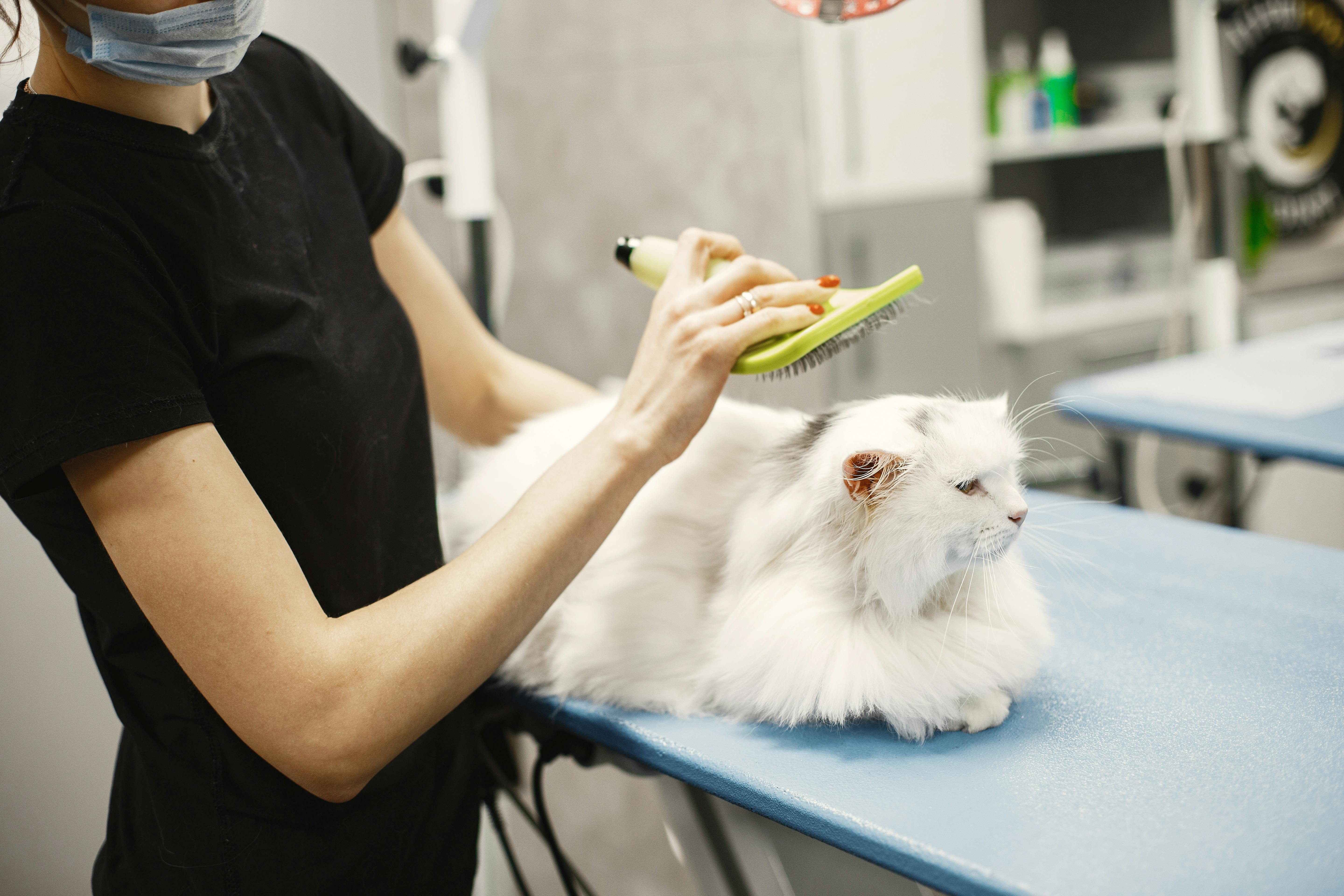
For cats, gentle brushing—especially for longhaired breeds—removes loose fur and distributes natural oils, reducing hairball formation and matting. Start with short sessions and reward your cat with treats or praise to build positive associations with grooming. Clean your pet’s ears with products recommended by your veterinarian, and check regularly for signs of redness, odor, or debris. Nail trims should occur every few weeks to prevent overgrowth and discomfort.
Other important steps include wiping muddy paws with a damp cloth after walks, checking for ticks or burrs after time outdoors, and monitoring your pet’s skin for any new lumps, rashes, or signs of infection. If you’re concerned about your ability to safely groom your pet at home, or if your pet becomes anxious or resistant during grooming, our veterinary team can offer guidance and support.
Preventing Common Grooming Problems
Prevention is key when it comes to grooming-related issues. Regular brushing prevents mats and reduces shedding, while routine nail trims keep your pet moving comfortably. Keeping your pet’s ears clean and dry can help prevent infections, especially in floppy-eared dogs or cats prone to wax buildup. Bathing with appropriate products removes allergens and debris, supporting healthy skin and coat.
To minimize anxiety, introduce grooming gradually, using positive reinforcement and short sessions to build your pet’s confidence. For pets with sensitive skin or allergies, consult your veterinarian about hypoallergenic shampoos or conditioners, and consider scheduling professional grooming more frequently during peak shedding seasons. Monitor your pet’s weight and activity level, as overweight pets may have difficulty grooming themselves, increasing the risk of mats and skin infections.
Incorporating grooming into your pet’s routine not only keeps them looking their best but also provides valuable bonding time and an opportunity to detect emerging health issues early.
When to Seek Veterinary or Professional Grooming Help
While many grooming tasks can be managed at home, there are situations where professional help is essential. If you notice persistent mats that cannot be brushed out, signs of skin infection such as redness, swelling, or discharge, or your pet experiences pain during grooming, it’s time to consult a professional. Other indicators include excessive scratching, bald spots, new lumps or bumps, and ongoing ear problems like odor or discharge.
Pets with medical conditions, behavioral challenges, or a history of anxiety may require specialized care that only a veterinary-supported grooming team can provide. If bathing, brushing, or nail trims become stressful or unmanageable at home, our team at Pets4Life can step in to ensure your pet’s comfort and safety.
Never attempt to cut out mats with scissors, as this can lead to accidental injury. Similarly, avoid using human grooming products, which may irritate your pet’s skin or cause allergic reactions. When in doubt, it’s always safer to reach out to your veterinarian for personalized advice.
Why Choose Pets4Life for Your Pet’s Grooming Needs
At Pets4Life, we believe grooming is an essential element of preventive healthcare. Our professional grooming and spa services are integrated with comprehensive veterinary oversight so that every pet receives attentive, individualized care. Whether your dog needs a seasonal trim, your cat requires help with mats, or you simply want to ensure your companion’s comfort and wellbeing, our Highland Park veterinary team is here to help.
We are committed to making every visit as stress-free and positive as possible, offering gentle handling, state-of-the-art facilities, and customized recommendations based on your pet’s unique needs. Our experienced veterinarians and grooming professionals work together to keep your pet healthy, happy, and looking their best throughout the spring and all year long.
Ready to Book Your Pet’s Grooming Appointment?
Keeping your dog or cat looking and feeling their best this May doesn’t have to be a challenge. With the right mix of at-home care and professional support from the veterinary team at Pets4Life, your pet can enjoy a healthy, comfortable spring. If you’re searching for a vet near me for professional grooming or have questions about your pet’s unique needs, we encourage you to schedule an appointment or reach out for guidance.
To learn more about our grooming services or schedule a visit, call us at (847) 434-2745 or stop by our convenient location at 661 Central Avenue, Highland Park, IL 60035. Our veterinary team is dedicated to the wellbeing of pets across Highland Park and surrounding communities, and we look forward to helping your companion thrive this spring and beyond.
Disclaimer: The information provided in this blog is for educational purposes only and should not replace professional veterinary advice. Always consult your veterinarian for specific recommendations tailored to your pet’s needs.