Preventing Summer Hot Spots in Dogs and Cats
Preventing Summer Hot Spots in Dogs and Cats
As summer arrives in Highland Park, many pet owners notice their dogs and cats scratching, licking, or chewing at irritated patches of skin. These areas, commonly called “hot spots,” can appear quickly and cause significant discomfort for your pet. At Pets4Life, located at 661 Central Avenue, Highland Park, IL 60035, we understand how distressing skin problems can be for both pets and their families. Our veterinary team is here to help you understand what hot spots are, why they develop more frequently during the mild, damp summer months, and how you can protect your pet from this common skin issue. In this post, we’ll cover how to spot the early signs of hot spots, explore the underlying causes, discuss treatment and prevention strategies, and explain when it is time to schedule a visit with one of our veterinarians. If you notice your dog or cat struggling with itchy, red patches or suspect a skin infection, our wellness examination services are available to help identify and treat the problem so your pet can enjoy a comfortable, itch-free summer.
Recognizing Hot Spots: What to Watch for in Your Dog or Cat
Hot spots, also known as acute moist dermatitis, are localized areas of inflamed, infected skin that can develop rapidly. They are usually red, moist, and painful, often with hair loss and oozing discharge. These lesions can appear anywhere on your pet’s body, but are commonly found on the head, neck, hips, or chest.
Key symptoms of hot spots include persistent licking, biting, or scratching at a specific area, sudden development of a red or swollen patch, and hair loss or thinning around the affected site. You may also notice a moist, raw appearance with a yellow or greenish discharge and a foul odor. In some cases, your pet may seem restless, sensitive to touch, or even more withdrawn because of the discomfort.
Hot spots can worsen quickly, so early recognition is essential. If you observe any of these signs, especially during the humid, rainy periods common in Highland Park and surrounding communities, it’s important to take prompt action and consult with your veterinarian for guidance.
Why Do Hot Spots Happen? Understanding the Causes
Hot spots are almost always a result of self-trauma. Dogs and cats often start by licking, biting, or scratching an itchy area; this damages the skin’s protective barrier and allows bacteria to invade, leading to infection and inflammation. Several underlying factors can make your pet more prone to developing hot spots during the summer.
The most common causes include allergies to pollen, grass, or flea bites; these allergies are especially prevalent during the warmer months. Moisture from swimming, bathing, or simply spending more time outdoors can trap water against the skin, providing an ideal environment for bacteria to multiply. Dogs with thick or long coats, such as Golden Retrievers or Newfoundlands, are at higher risk, as their fur can hold moisture and hide early skin irritation.
Other contributors include underlying skin infections, ear infections, matted fur, or even underlying pain that causes your pet to chew or lick excessively. In cats, stress-related over-grooming can sometimes result in hot spot formation as well. If your pet is prone to allergies or skin issues, regular wellness examinations can help identify and address these concerns before they escalate.
Treating Hot Spots: What Pet Owners Can Expect
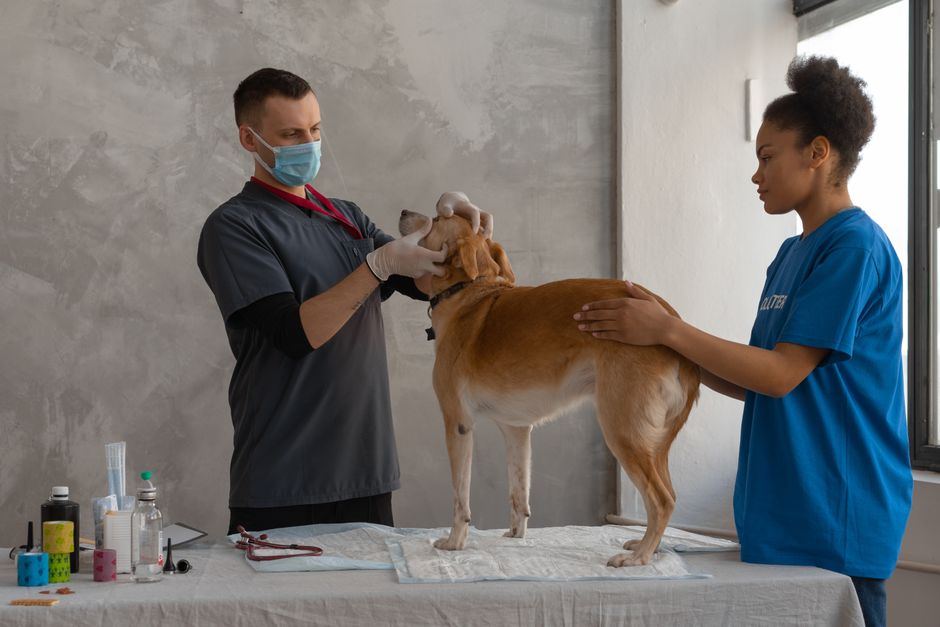
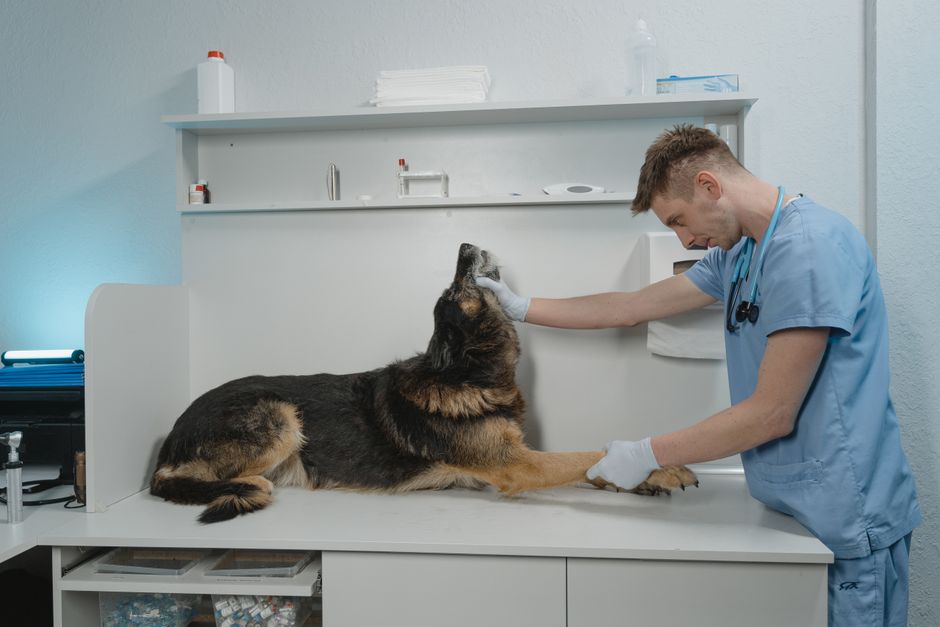
If your dog or cat develops a hot spot, professional veterinary care is recommended for proper diagnosis and treatment. At Pets4Life, our experienced veterinary team will begin by gently clipping the fur around the lesion to expose the affected skin and allow for thorough cleaning. We use safe, pet-friendly cleansers to remove debris, bacteria, and discharge from the area.
Treatment approaches include topical or oral medications to control infection and decrease inflammation, such as antibiotics and anti-itch medications prescribed based on your pet’s specific needs. In some cases, an Elizabethan collar (cone) may be recommended to prevent further self-trauma while the skin heals. If an underlying cause is identified, such as fleas or allergies, our veterinarians will help you address these issues to prevent recurrence.
During your visit, we will also discuss your pet’s lifestyle, recent activities, and any changes in grooming or bathing routines that could contribute to skin problems. Our goal is always to provide comprehensive care, addressing both the immediate hot spot and the root causes behind your pet’s discomfort. For more information about our full range of veterinary services, including diagnostics, dermatology, and preventive care, visit our website or contact our team.
Preventing Hot Spots at Home: Tips for a Healthy Summer
While hot spots are treatable, prevention is always better than cure. As a pet owner, there are several steps you can take to reduce your dog’s or cat’s risk of developing skin issues during the summer months in Highland Park.
First, maintain a regular grooming routine appropriate for your pet’s breed and coat type. Frequent brushing helps remove loose hair and debris, preventing matting and allowing you to spot skin problems early. After your pet swims, bathes, or gets caught in the rain, dry their coat thoroughly and check for any areas of irritation or trapped moisture.
Flea and tick prevention is crucial, as bites from these parasites are a leading trigger for hot spots. Our veterinarians can recommend safe, effective parasite prevention strategies tailored to your pet’s needs. If your pet attends Doggy Day Camp or spends time with other animals, maintaining up-to-date vaccination and parasite protection is even more important to reduce the risk of skin infections and other contagious conditions.
Additionally, monitor your pet’s environment for allergens such as pollen, grass, or dust, and wash bedding regularly in hot water. If your pet is prone to allergies, dietary adjustments or prescription allergy medications may help minimize itching and licking. Our team is happy to discuss the best preventive strategies during your next wellness visit.
When Should You Seek Veterinary Care for Hot Spots?
Hot spots can progress rapidly, so it’s important to know when to seek professional veterinary care. Schedule an appointment if you notice any of the following: a painful, red, or swollen patch that appears suddenly; persistent licking or chewing at one area; oozing, bleeding, or foul-smelling wounds; or if your pet seems distressed or less active than usual. Home remedies are often not enough, and delaying treatment can lead to more severe infections and increased discomfort for your pet.
If you’re unsure whether your pet’s skin issue is a minor irritation or something more serious, our veterinarians at Pets4Life are here to help. We encourage you to reach out for guidance and schedule a comprehensive pet exam so we can provide a thorough assessment and personalized care plan. Early intervention is the best way to ensure a quick and comfortable recovery for your dog or cat.
Your Local Partner in Pet Skin Health
At Pets4Life, our veterinary team is dedicated to keeping your pets healthy and comfortable year-round. Hot spots are a common summer problem for dogs and cats in Highland Park and surrounding communities, but with prompt recognition, preventive care, and professional support, you can help your pet enjoy the season itch-free. If you are searching for a “vet near me” for skin problems, wellness care, or preventive advice, our team is here to provide compassionate, knowledgeable service tailored to your pet’s unique needs.
Don’t let hot spots disrupt your pet’s summer fun. If you notice signs of irritated or infected skin, or if it’s time for a routine check-up, schedule an appointment with our veterinarians today. Visit us at 661 Central Avenue, Highland Park, IL 60035, call (847) 434-2745, or use our convenient appointment request form. Let us partner with you in providing the best care for your pet’s skin and overall health this summer and beyond.
If you have questions about your pet’s skin health or need urgent advice, always consult with a licensed veterinarian. This blog is for informational purposes only and does not replace professional veterinary care.