Late Summer Pet Wellness Tips for Highland Park Dogs and Cats
Late Summer Pet Wellness Tips for Highland Park Dogs and Cats
As the heat and humidity of August settle in across Highland Park, many pet owners start to notice subtle changes in their dogs and cats. From itchy skin and increased thirst to the risk of heatstroke and thunderstorm anxiety, late summer brings a unique set of challenges for our furry family members. At Pets4Life, located at 661 Central Avenue, Highland Park, IL 60035, our veterinary team understands how important it is for your pet to stay healthy, happy, and comfortable as summer winds down. In this blog, we will share practical tips to help you recognize common late-summer health issues, explain why these problems occur, and offer actionable advice for prevention and care. You will also learn when it is time to schedule a professional wellness examination or reach out to our team for support. Whether you are a new pet owner or a seasoned pro, these late summer wellness insights will help you keep your dog or cat thriving as the seasons change.
Recognizing Late Summer Health Concerns in Your Pet
As summer progresses, Highland Park’s climate can impact your pet in several ways. Hot temperatures combined with high humidity often make late summer uncomfortable for dogs and cats, especially those with thick coats, short snouts, or chronic health conditions. Symptoms of heat-related stress can include excessive panting, drooling, lethargy, or seeking out cool surfaces to lie on. In cats, changes might be more subtle, such as hiding more often or grooming excessively.
Skin issues are also common this time of year. Watch for signs of itching, redness, or hot spots, which may develop as a result of allergies to pollen, grass, or fleas. Dogs might lick or chew their paws more frequently, while cats may scratch at their ears or face. Additionally, increased time outdoors means more exposure to ticks, mosquitoes, and other parasites that thrive in warm, humid conditions.
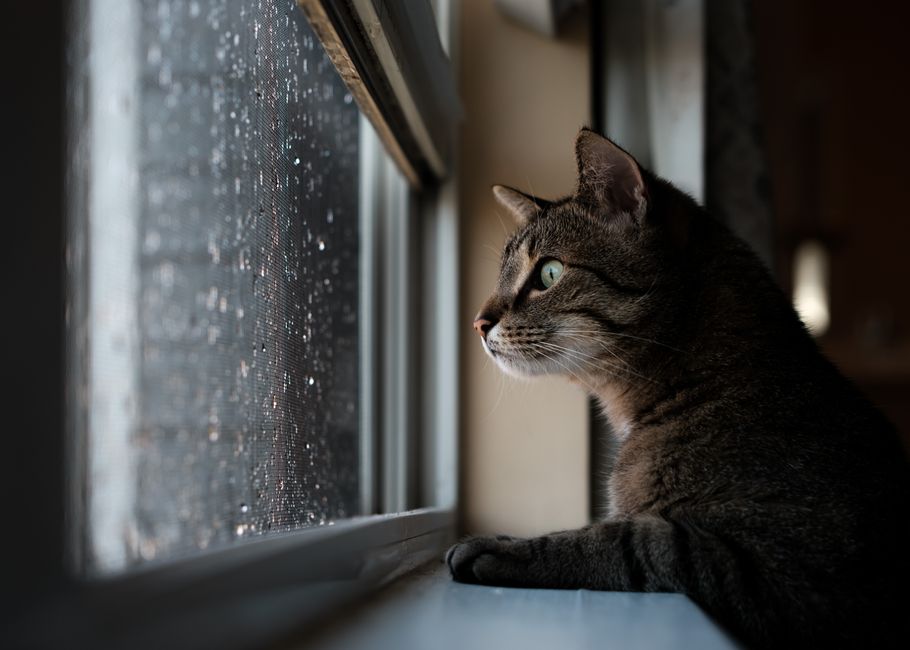
Late summer storms can trigger anxiety in sensitive pets. Dogs may tremble, hide, bark, or try to escape during thunderstorms, while cats might seek secluded spots or become unusually vocal. If you notice any of these signs, it is important to address your pet’s comfort and safety promptly.
Dental health can also decline during the summer if your pet is enjoying more treats or table scraps from outdoor gatherings. Signs of dental disease include bad breath, drooling, difficulty eating, or pawing at the mouth. These issues can worsen quickly if not addressed.
Why Do These Issues Occur in August?
August weather in Highland Park often brings a combination of heat, humidity, and unpredictable storms. Dogs and cats are especially sensitive to temperature extremes because they cannot cool themselves as efficiently as humans. Dogs rely on panting to release excess heat, but when humidity is high, panting becomes less effective, putting them at greater risk for heat exhaustion or even heatstroke. Cats are generally more heat tolerant but can still be affected, especially if they are overweight, senior, or have underlying health problems.
Fleas, ticks, and mosquitoes become more active in late summer. These parasites thrive in warm, moist environments and can quickly multiply if pets are not protected. Flea bites may trigger allergies, resulting in intense itching and skin infections, while ticks can transmit serious diseases such as Lyme disease. Mosquitoes carry the risk of heartworm transmission, which can be life-threatening for both dogs and cats.
Allergic reactions are often worse at the end of summer because local plants, weeds, and grasses release more pollen. Dogs and cats may develop seasonal allergies, leading to skin irritation, ear infections, and general discomfort.
Thunderstorms are more frequent in August, and the changes in atmospheric pressure, loud noises, and flashing lights can cause stress for many pets. Some animals are more sensitive than others, but it is not uncommon to see an uptick in anxiety-related behaviors during this time.
Dental health issues may become more apparent because outdoor activities and social gatherings can encourage the sharing of snacks that are not part of your pet’s regular diet. Chewing on hard treats or bones can also lead to chipped teeth or gum irritation.
Treatment and Management: Professional Veterinary Care for Late Summer Problems
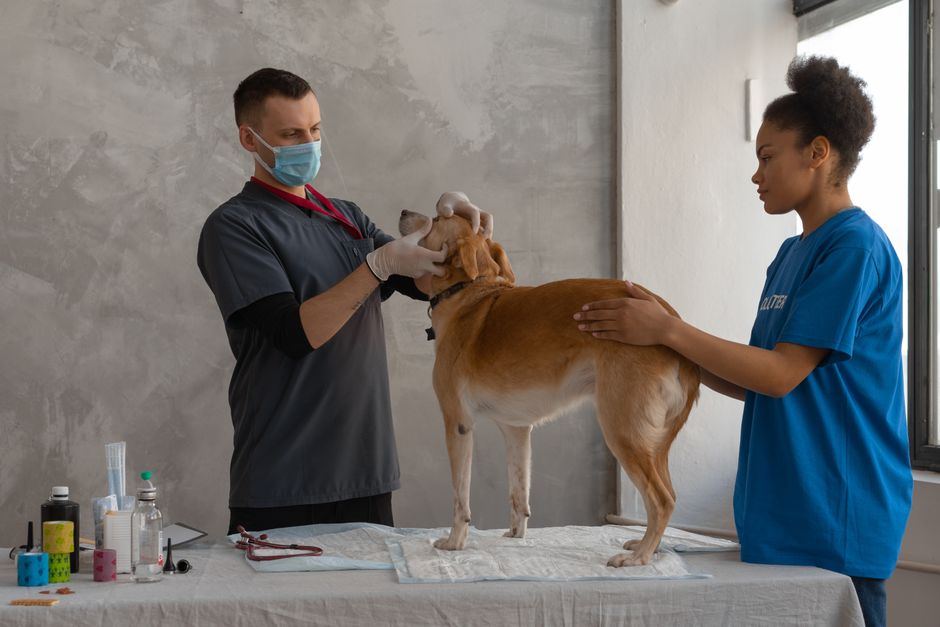
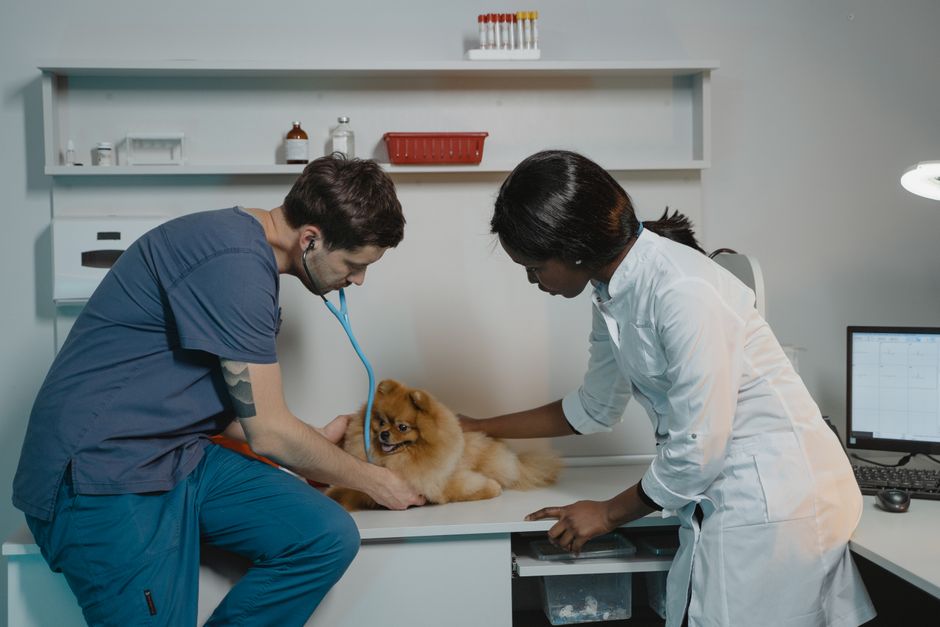
When you notice any of the symptoms described above, it is important to take action. At Pets4Life, our veterinary team offers a range of services designed to address late summer health challenges in dogs and cats. For heat-related issues, we recommend scheduling a wellness examination so our veterinarians can assess your pet’s hydration status, check for signs of heat stress, and offer guidance on keeping your pet cool. If your pet is experiencing skin irritation, our team may perform diagnostics to identify allergies or parasites and develop a treatment plan that could involve medicated shampoos, oral medications, or parasite prevention.
For persistent itching or suspected flea and tick infestations, we provide recommendations for safe and effective parasite control. Our vaccination services can also help protect your pet from diseases that are more prevalent in the summer months.
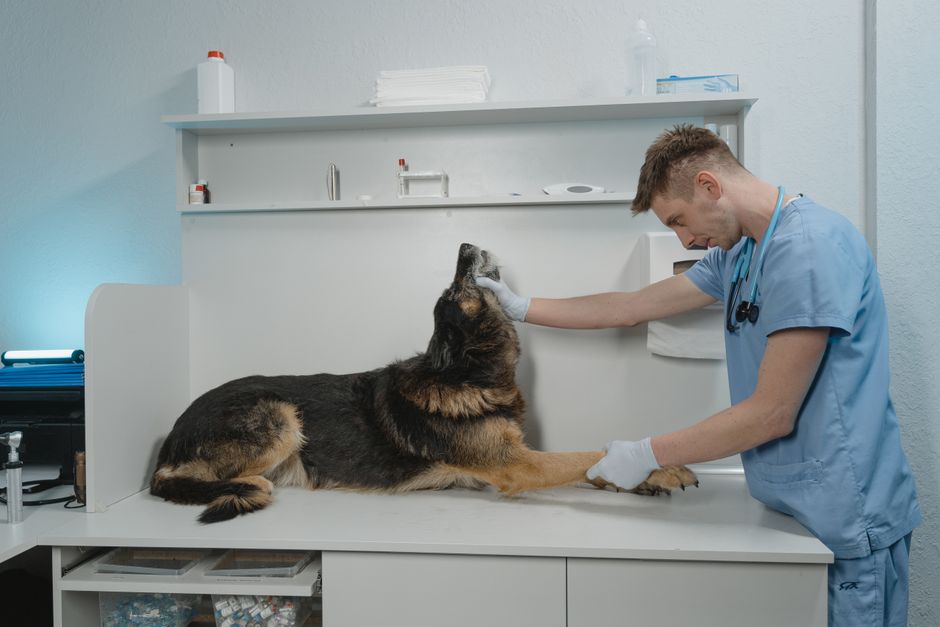
If your dog or cat is showing signs of dental discomfort, a professional dental cleaning may be necessary to address plaque buildup, tartar, or oral infections. Regular dental care not only improves your pet’s breath but also supports overall health.
For pets with anxiety triggered by storms, our veterinarians can discuss behavioral strategies, calming pheromones, or, in some cases, prescribe medication to help your pet cope. We always tailor treatment recommendations to your pet’s individual needs, lifestyle, and medical history.
Prevention and Home Care for Late Summer Pet Health
Taking proactive steps at home can make a significant difference in your pet’s health and comfort during late summer. Ensuring your dog or cat has access to fresh, cool water at all times is essential. Consider placing multiple water bowls around your home and yard, and avoid outdoor walks or play during the hottest parts of the day. Shaded areas and air conditioning can help your pet stay comfortable, while cooling mats or damp towels provide extra relief for those especially heat-sensitive pets.
To minimize the risk of parasites, use veterinarian-recommended flea, tick, and heartworm prevention consistently. Inspect your pet’s coat after outdoor activities to catch any pests early, and keep your lawn trimmed to reduce hiding spots for ticks and fleas.
If your pet is prone to allergies, wipe their paws and coat with a damp cloth after time outdoors to remove pollen and irritants. Regular grooming and bathing can also help control shedding and skin problems. For dental health, offer dental chews approved by your veterinarian and avoid sharing human food, which can contribute to dental disease or upset stomach.
When thunderstorms are in the forecast, create a safe, quiet space for your pet to retreat. Some pets find comfort in a familiar crate, while others prefer a cozy bed in a secluded room. Playing white noise or calming music can help muffle the sound of thunder. If your pet’s anxiety is severe, consult with our veterinary team for additional support.
When to Schedule a Veterinary Visit
While many late summer pet issues can be managed at home with the right preventive care, there are times when professional help is necessary. If your dog or cat shows signs of heatstroke, such as rapid breathing, glazed eyes, vomiting, or loss of consciousness, seek veterinary attention immediately. Persistent scratching, hair loss, or sores may indicate a skin infection or underlying allergy that requires medical treatment.
Any changes in appetite, energy level, or bathroom habits should prompt a call to our clinic, as these can be early signs of illness. Dental issues should never be ignored; if you notice bad breath, bleeding gums, or difficulty eating, a prompt dental assessment is important.
If your pet’s anxiety is interfering with daily life or causing destructive behavior, our veterinarians can help develop a management plan tailored to your pet’s needs. We encourage you to reach out to our team for guidance on any questions or concerns about your pet’s health as summer comes to a close.
Choosing the Right Veterinary Partner in Highland Park
Finding a trusted veterinary partner for your pet’s late summer wellness needs is essential for peace of mind. At Pets4Life, our team of veterinarians is dedicated to providing comprehensive, compassionate care for dogs and cats in Highland Park and the surrounding communities. Whether your pet needs a routine wellness examination, dental cleaning, or support for summer allergies and anxiety, we are here to help you every step of the way.
If you are searching for a veterinarian near me who understands the unique seasonal challenges pets face in our area, look no further than our experienced veterinary professionals. We invite you to schedule an appointment with our team, conveniently located at 661 Central Avenue, Highland Park, IL 60035. To learn more about our wide range of veterinary services for dogs and cats, or to book your pet’s next checkup, call us at (847) 434-2745. Let us help you keep your pet healthy, happy, and ready to enjoy the rest of the summer and beyond.
This blog is for informational purposes only and should not be used as a substitute for professional veterinary advice. If your pet is showing signs of illness or distress, please contact a veterinarian promptly.