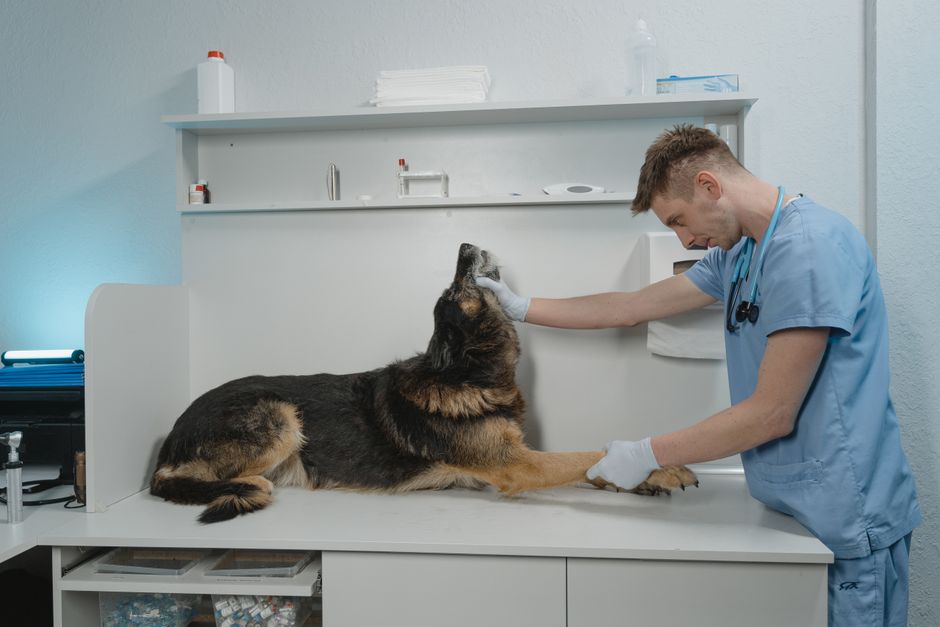
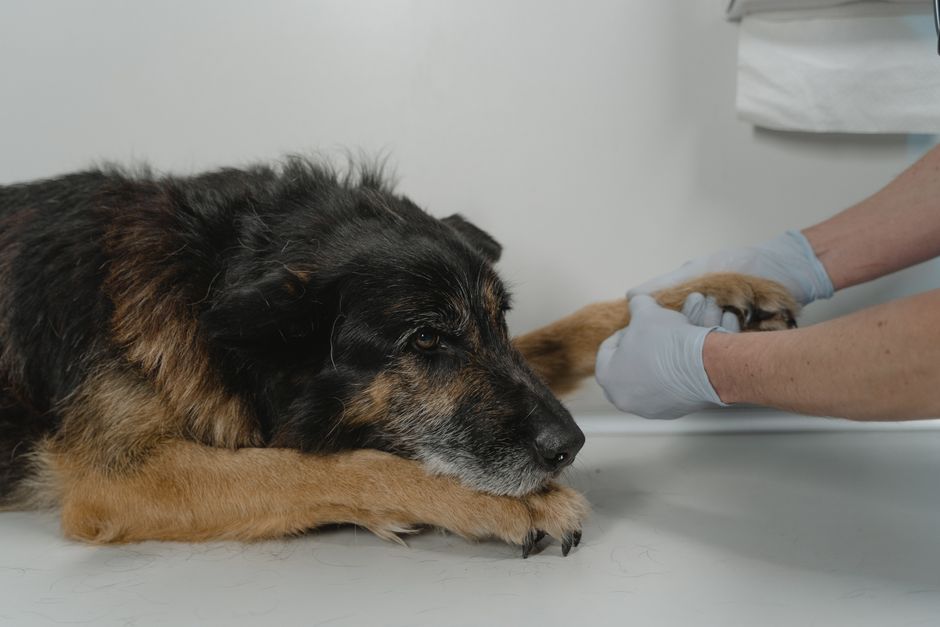
Recognizing Signs of Dental Disease in Dogs and Cats
Recognizing Signs of Dental Disease in Dogs and Cats
Is your dog or cat suddenly shying away from their food, or have you noticed a whiff of bad breath when they come in for a cuddle? As a pet owner, you want to do everything possible to keep your furry companion healthy and happy—but dental disease can sneak up quietly, often showing subtle signs long before pain or infection becomes obvious. At Pets4Life, located at 661 Central Avenue, Highland Park, IL 60035, our veterinary team is committed to helping you recognize these early warning signs and keep your pet's mouth healthy year-round. This blog will guide you through the most common indicators of dental disease in dogs and cats, explain why these issues develop, outline the treatment options available, and provide tips on preventive dental care you can practice at home. We will also discuss when it is essential to schedule a professional dental evaluation and how regular visits to our Highland Park veterinary hospital can protect your pet’s overall well-being.
Spotting the Symptoms: How to Recognize Dental Disease in Your Pet
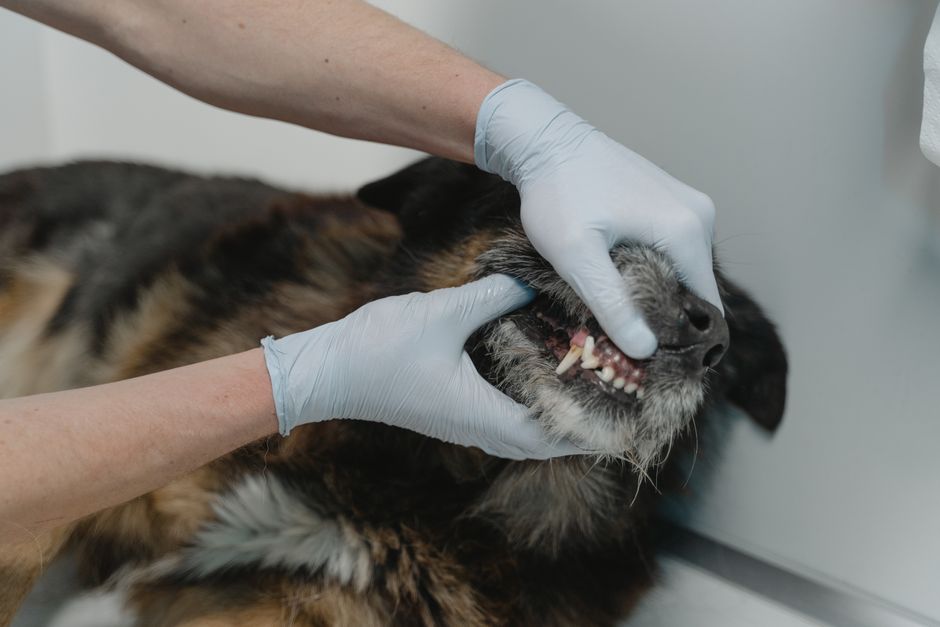
Many pet owners are surprised to learn just how common dental disease is in dogs and cats. By age three, most pets already have some degree of dental or gum disease. The symptoms can be subtle at first, so it is important to know what to look for during your daily interactions. Key signs of dental disease include persistent bad breath, also known as halitosis, which is more than just the occasional "doggy breath" after a meal. You might also notice red or swollen gums, yellow or brown buildup on the teeth (known as tartar), and changes in eating habits, such as dropping kibble, chewing on one side, or reluctance to play with toys.
Other warning signs are pawing at the mouth, drooling more than usual, or visible discomfort when the mouth is touched. In more advanced cases, you may observe bleeding gums, loose or missing teeth, or even swelling around the face and jaw. Cats, in particular, can be experts at hiding discomfort, so look for subtle clues such as decreased grooming, hiding, or a drop in appetite. If you notice any of these symptoms, it is important to bring your pet in for a comprehensive wellness examination to determine whether dental disease may be the underlying cause.
Why Dental Disease Develops in Dogs and Cats
Dental disease in pets is a progressive condition that starts with the buildup of plaque—a sticky film of bacteria—on the teeth. If not removed through regular brushing or professional cleaning, plaque hardens into tartar, which irritates the gums and leads to inflammation known as gingivitis. Over time, this inflammation can progress to periodontal disease, causing the tissues and bone that support the teeth to break down.
Several factors contribute to the development of dental disease, including the type of diet your pet eats, their age, breed, and genetic predisposition. Small dog breeds and certain cat breeds are often more susceptible due to their mouth structure or crowded teeth. Pets that primarily eat soft food, or who do not have their teeth brushed regularly, are also at higher risk. Underlying health conditions such as diabetes or immune system disorders can further increase susceptibility. The warm, moist environment of your pet's mouth creates the perfect breeding ground for bacteria, which, if left unchecked, can quickly lead to infection, pain, and even spread to other organs like the heart, liver, or kidneys.
Professional Dental Care: Treatment Options at Pets4Life
If your pet is diagnosed with dental disease, prompt treatment is essential to prevent further discomfort and serious complications. At Pets4Life in Highland Park, our veterinarians offer a full range of dental care services tailored to your pet’s needs. Treatment options often begin with a thorough dental cleaning under anesthesia, allowing the veterinary team to safely remove tartar and plaque from both above and below the gumline. This process not only improves your pet’s breath but also helps reverse early gum disease and prevents progression.
For pets with more advanced dental problems, additional procedures may be required. These can include dental radiography to assess the health of tooth roots and jawbone, which is particularly important for detecting hidden issues not visible during a standard exam. If teeth are loose, fractured, or infected, extractions may be necessary to relieve pain and prevent the spread of infection. In some cases, oral surgery might be needed to address severe periodontal disease or oral masses.
Our hospital is equipped to provide professional dental cleaning services, advanced dental imaging, and pet oral surgery as part of a comprehensive approach to your pet’s oral health. We always discuss the best options with you before proceeding, focusing on your pet’s comfort and long-term well-being.
Preventing Dental Disease: Home Care and Routine Checkups
The good news is that dental disease in pets is highly preventable with consistent home care and regular veterinary checkups. Brushing your pet’s teeth is one of the most effective ways to reduce plaque and slow the development of tartar. Use a toothbrush and toothpaste designed specifically for pets, as human products can be harmful. Start slowly, introducing the routine with gentle handling and praise, building up to daily brushing if possible.
Dental diets, treats, and toys can also help reduce plaque buildup, but these are most effective when used alongside regular brushing. Some pets benefit from water additives or oral rinses recommended by your veterinarian. It is important to remember that while these products can support oral health, they are not a substitute for professional cleaning.
Scheduling regular dental evaluations is key to catching problems early. During wellness examinations, our veterinary team will assess your pet’s mouth for signs of disease, recommend appropriate preventive care, and answer any questions you may have about home dental routines. For many pets, an annual or biannual professional cleaning is recommended to maintain a healthy mouth and prevent painful complications.
When to Schedule a Veterinary Dental Visit
If you notice any of the warning signs discussed earlier—such as bad breath, red gums, tartar buildup, drooling, or changes in eating habits—it is important to schedule an appointment with our veterinary team as soon as possible. Dental disease can cause significant pain and can even lead to infections that affect your pet’s overall health. Early intervention makes treatment easier, less invasive, and more effective at preserving your pet’s teeth.
There are also situations where immediate attention is necessary. If your pet is suddenly unable to eat, has bleeding from the mouth, facial swelling, or appears to be in severe pain, seek veterinary care right away. These symptoms can indicate a serious infection or other urgent dental problem that needs prompt treatment.
Remember, many pets hide signs of discomfort, especially cats. Regular visits for dental care help us monitor your pet’s oral health and catch any changes before they become severe. Our goal is to keep your dog or cat comfortable, healthy, and able to enjoy life to the fullest.
Your Partner in Pet Dental Health in Highland Park
Dental care is a crucial part of your pet’s overall wellness—and recognizing the signs of dental disease early can make all the difference. At Pets4Life, our veterinarians in Highland Park and surrounding communities are here to support you every step of the way, from preventive advice to advanced dental treatments. If you are searching for a "vet near me" for quality dental care, look no further than our compassionate and experienced team.
To schedule a dental exam, cleaning, or consultation, please call us at (847) 434-2745 or stop by our hospital. You can also explore our professional dental cleaning services and pet tooth extraction options for more information about how we can help. Your pet’s comfort, health, and happiness are always our top priorities. Let us partner with you to keep your furry friend's smile healthy for years to come.
This blog is intended for informational purposes only and does not replace professional veterinary care. If you have concerns about your pet’s health or notice any signs of dental disease, please contact our veterinary team for an appointment or further guidance.