Signs Your Pet Needs a Winter Health Check-Up

Signs Your Pet Needs a Winter Health Check-Up
Winter in Highland Park, Illinois, can be both beautiful and challenging, especially for our furry companions. When the February chill sets in, it is natural for pet owners to worry about how the cold may affect their cats and dogs. At Pets4Life, conveniently located at 661 Central Avenue, Highland Park, IL 60035, we understand the unique seasonal needs of pets in our community and surrounding areas. Many pet owners wonder whether their pets need a winter wellness exam or if certain symptoms are simply a normal response to the cold. In this blog, we will guide you through the most common signs that indicate your pet may benefit from a veterinary check-up this winter, explain why these issues occur, and share how regular wellness visits can help your pet stay comfortable and healthy throughout the season.
Whether you are concerned about behavior changes, appetite shifts, or something as simple as a dry nose, knowing when to schedule a wellness examination can make all the difference. We will also provide practical tips for winter pet care and highlight when it is time to reach out to your veterinarian for professional support. At Pets4Life, our veterinary team is committed to helping you keep your pets safe and thriving, no matter what the weather brings.
Recognizing When Your Pet Needs a Winter Health Check-Up
As temperatures drop, you may notice subtle or sudden changes in your pet’s health or behavior. Understanding the warning signs that warrant a winter check-up can help you address problems early and give your pet the best chance for a healthy, happy season.
Common signs that your cat or dog may need a winter wellness exam include lethargy that is out of the ordinary, a noticeable decrease in appetite, or unusual weight changes. Other symptoms to watch for are persistent coughing, sneezing, or nasal discharge, which could signal underlying respiratory issues that often worsen in cold, dry air. Additionally, you might notice dry or flaky skin, increased itching, or excessive shedding, as winter weather can take a toll on your pet’s coat and skin health.
Behavior changes are another important indicator. If your typically playful dog becomes withdrawn or your cat begins hiding more than usual, it could be a sign of discomfort or underlying illness. Difficulty getting up, limping, or reluctance to go outside may point to joint pain exacerbated by the cold—especially in older pets or those with conditions like arthritis or hip dysplasia. Frequent thirst, changes in urination patterns, or accidents in the house can also signal health issues that deserve prompt attention during the winter months.
When you notice any of these symptoms, it is important not to dismiss them as simply “winter blues.” A timely visit to your veterinarian can help uncover the cause and prevent minor concerns from becoming major problems.
Why Do Winter Health Issues Occur in Pets?
The harsh realities of winter in Highland Park and surrounding communities can impact pets in several ways. Cold, dry air can irritate pets’ respiratory systems and skin, making them more vulnerable to infections, dermatitis, and dry, cracked paw pads. Indoor heating, while necessary for comfort, further dries out the air and can lead to dehydration, itchy skin, and dull coats.
Decreased sunlight and shorter days may affect your pet’s mood and energy levels, sometimes leading to seasonal affective changes. Dogs and cats may also get less exercise during winter, which can contribute to weight gain, muscle loss, and joint stiffness. For pets with existing conditions like arthritis, hip dysplasia, or heart disease, the cold can worsen symptoms, making regular monitoring even more crucial.
Additionally, winter brings unique challenges such as exposure to ice-melting chemicals, antifreeze, and salted sidewalks, all of which can be dangerous if licked off paws or fur. Certain infectious diseases, like kennel cough, may become more prevalent when pets spend more time indoors with others. For these reasons, a winter wellness exam is more than just a routine check-up—it is an opportunity to catch emerging problems early and tailor your pet’s care for the season.
What to Expect During a Winter Wellness Exam at Pets4Life
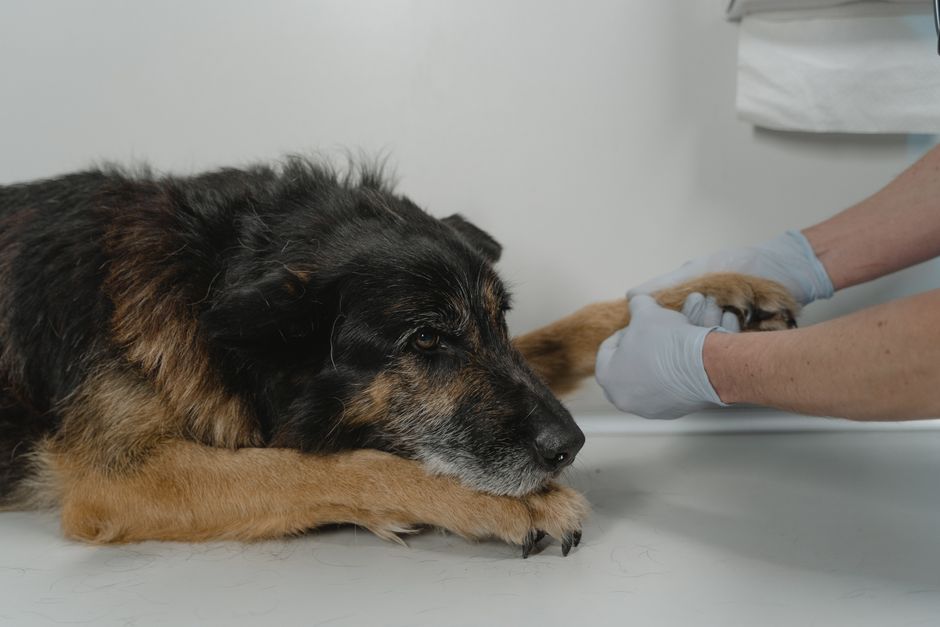
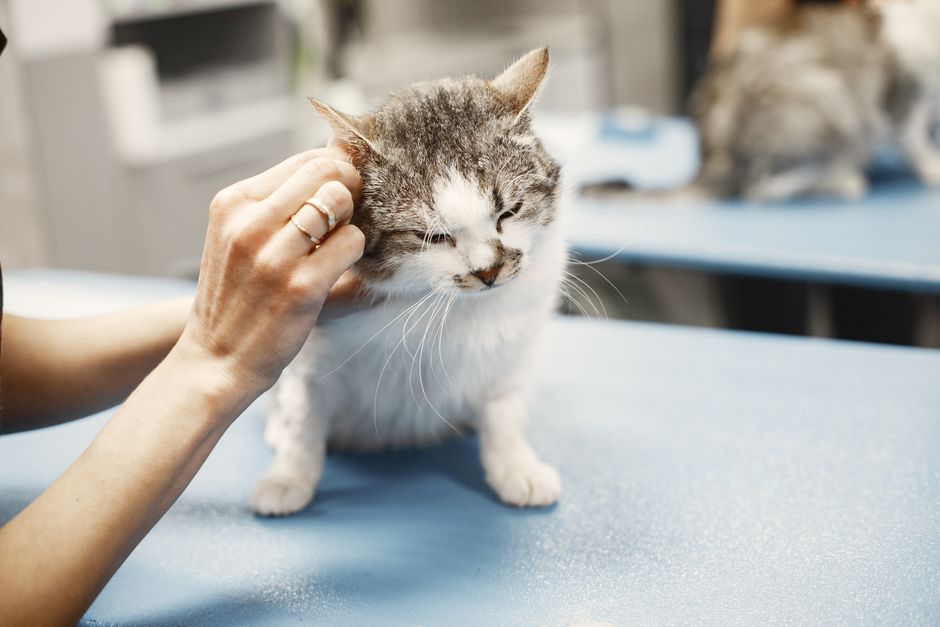
A veterinary wellness visit during winter is an essential tool for keeping your pet healthy and comfortable. At Pets4Life, our comprehensive wellness examination covers every aspect of your pet’s health, with special attention to seasonal concerns.
During your appointment, our veterinary professionals will review your pet’s medical history, discuss any recent changes you have noticed, and perform a thorough physical examination. This includes checking your pet’s skin and coat for dryness or irritation, evaluating joint health and mobility, and listening to the heart and lungs for any signs of respiratory or cardiac issues. We may recommend diagnostic laboratory tests or digital radiology if there are concerns about internal health or underlying conditions that are not easily detected through physical examination alone.
Preventive care is also a major focus. Our team will discuss appropriate vaccination services to keep your pet protected from seasonal diseases, as well as heartworm testing and parasite prevention strategies. We tailor recommendations to your pet’s age, breed, lifestyle, and any existing medical conditions, ensuring that your pet receives the care they need to thrive all winter long.
If your pet is experiencing joint pain, we may suggest supplements, changes in exercise routines, or additional diagnostics to rule out more serious issues. For skin and coat concerns, we can recommend specific shampoos, dietary adjustments, or topical treatments to restore comfort and reduce itching. Every step of the way, our veterinary team will answer your questions and provide practical advice for managing winter challenges at home.
Keeping Your Pet Comfortable at Home This Winter
While professional veterinary care is essential, there is much you can do at home to help your pet stay happy and healthy during winter. Start by ensuring your dog or cat has a warm, draft-free sleeping area with plenty of blankets. Limit time outdoors during extreme cold, and always towel off wet or snowy fur and paws after walks to prevent irritation.
Offer fresh water at all times, since pets can become dehydrated even in cold weather. Watch for signs of dry skin, such as flaking or increased scratching, and consider using a humidifier indoors to maintain comfortable moisture levels. If your pet is less active in winter, monitor their weight and adjust food portions as needed to prevent unwanted weight gain.
For dogs, maintain regular exercise routines by playing indoors or taking shorter, more frequent walks during milder parts of the day. Cats benefit from interactive toys and climbing structures to keep them engaged and active inside. If you use ice-melting products, choose pet-safe varieties whenever possible and wipe your pet’s paws after being outdoors to avoid accidental ingestion of harmful chemicals.
Grooming also plays a vital role in winter wellness. Regular brushing removes loose fur, reduces matting, and stimulates the skin’s natural oils. If you notice persistent coat or skin issues, schedule a veterinary appointment; some problems may require professional treatment.
When to Schedule a Winter Health Check-Up
It can be difficult to know when at-home care is enough and when it is time for a professional evaluation. If your pet is showing any of the signs discussed earlier—such as lethargy, appetite changes, coughing, limping, or skin problems—it is best to schedule a wellness exam promptly. Additionally, if your pet has a chronic condition like arthritis, diabetes, or heart disease, more frequent veterinary monitoring during winter is recommended.
Sudden or severe symptoms, such as trouble breathing, persistent vomiting or diarrhea, or a significant decline in mobility, require immediate veterinary attention. Remember, some winter health issues can escalate quickly if not addressed, and early intervention is always the safest course of action.
For non-urgent concerns, our telehealth service can provide guidance and help determine whether an in-person visit is needed. Our veterinarians are here to support you every step of the way, ensuring your pet receives timely, compassionate care throughout the cold months.
Conclusion: Your Partner for Winter Pet Wellness in Highland Park
As winter settles over Highland Park and surrounding communities, prioritizing your pet’s health becomes more important than ever. Recognizing the signs that your cat or dog may need a check-up helps you act quickly, preventing minor concerns from turning into major health issues. From lethargy and joint pain to skin problems and respiratory symptoms, the winter months bring unique challenges that our veterinary team is prepared to address.
At Pets4Life, we believe that routine wellness examinations, preventive care, and a strong partnership between pet owners and veterinarians are the keys to keeping pets happy and healthy all year long. If you are searching for a “vet near me” in Highland Park, our experienced team is ready to help. To schedule an appointment, contact us at (847) 434-2745 or visit our hospital at 661 Central Avenue, Highland Park, IL 60035.
Trust Pets4Life to be your partner in navigating winter’s challenges, ensuring your beloved pets stay comfortable, safe, and well-cared-for throughout the season. For additional tips or to learn more about our comprehensive veterinary services, explore our website or reach out to our friendly veterinary professionals today.
Disclaimer: This blog is for informational purposes only and should not be considered a substitute for professional veterinary advice. If you have concerns about your pet’s health, please schedule an appointment with your veterinarian.