Preventing Pet Injuries on Icy Winter Walks in Highland Park
Preventing Pet Injuries on Icy Winter Walks in Highland Park
Winter in Highland Park brings its own set of challenges for pet owners. When sidewalks and pathways turn slick with ice, every walk can become a source of worry—especially if you have an energetic dog eager to explore, or an older pet with mobility issues. At Pets4Life, located at 661 Central Avenue, Highland Park, IL 60035, we understand how much you care about keeping your pet safe during these cold, unpredictable months. That’s why our team of veterinarians wants to help you recognize risks, prevent injuries, and know when to seek professional care if the unexpected happens. In this guide, we’ll share expert tips for safe winter dog walks, discuss how to protect your pet’s paws and joints, explain when a slip might warrant a veterinary visit, and show how our comprehensive services can support your pet’s well-being all year long. If you’re searching for a reliable vet near you for advice or treatment, our comprehensive veterinary services are just a call away.
Recognizing When Winter Walks Could Put Your Pet at Risk
Not every icy patch spells disaster, but even the most sure-footed dogs and cats can find themselves struggling during Highland Park’s cold snaps. Pet owners should stay alert for subtle and obvious changes after a winter walk. Signs that your pet may have slipped or suffered from the cold include sudden limping, reluctance to walk, or licking at paws. You might also notice your dog hesitating on stairs, favoring one leg, or showing stiffness after being outside.
In more serious cases, symptoms can include swelling of a limb, obvious pain when touched, or a refusal to bear weight on a leg. For cats, which are often more reserved about showing discomfort, changes like hiding, decreased activity, or excessive grooming of one area can indicate an injury. Frostbite and cold-related injuries show up as pale, cold skin on the ears, tail, or toes that may later become red or swollen.
If your pet returns from a walk and seems subdued, shivers, or avoids using a limb, it’s important to monitor them closely. While some signs may resolve with rest, persistent or worsening symptoms should always prompt a call to your veterinarian for guidance.
Why Pets Are Vulnerable to Winter Injuries
Slippery winter conditions in Highland Park can increase the risk of injuries for even the most agile pets. Ice-covered sidewalks and hidden patches beneath fresh snow make it easy for paws to slip, leading to strains or sprains in joints and muscles. Dogs with longer fur between their toes may be particularly prone to slipping, as ice can build up and decrease traction.
Small breeds, older pets, and those with chronic joint conditions like arthritis or hip dysplasia are especially at risk. Cold weather stiffens joints, making sudden movements more hazardous. Additionally, salt and de-icing chemicals used on sidewalks can irritate paw pads, causing pets to stop walking suddenly or change their gait, which may result in a misstep or fall.
During the winter months, darkness falls earlier, reducing visibility for both you and your pet. Icy spots may be harder to see, further increasing the risk of slips. For cats that venture outdoors, climbing fences or jumping onto icy surfaces can cause falls and injuries, sometimes even leading to fractures or joint dislocations.
Professional Treatment and What to Expect at the Vet
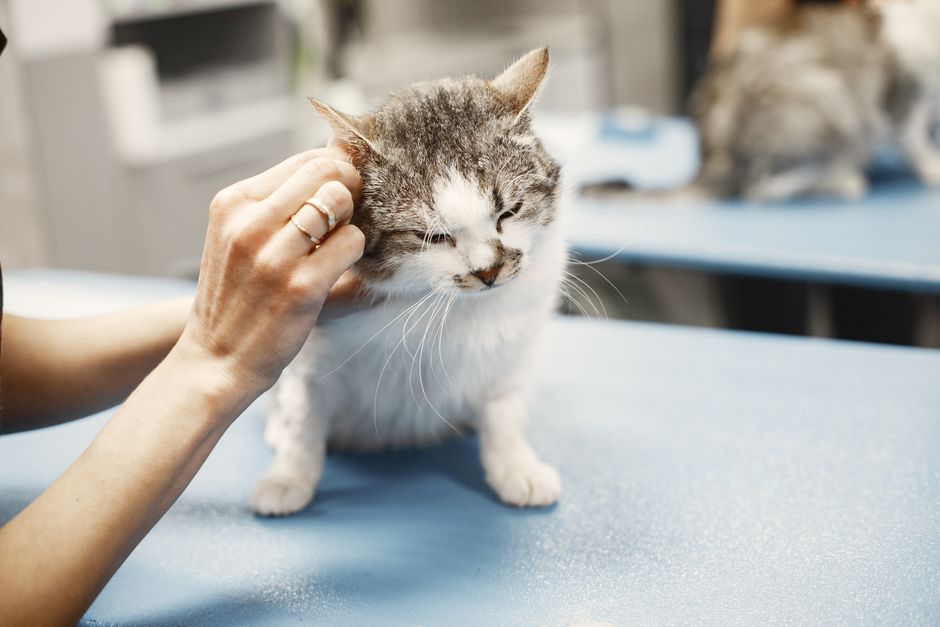
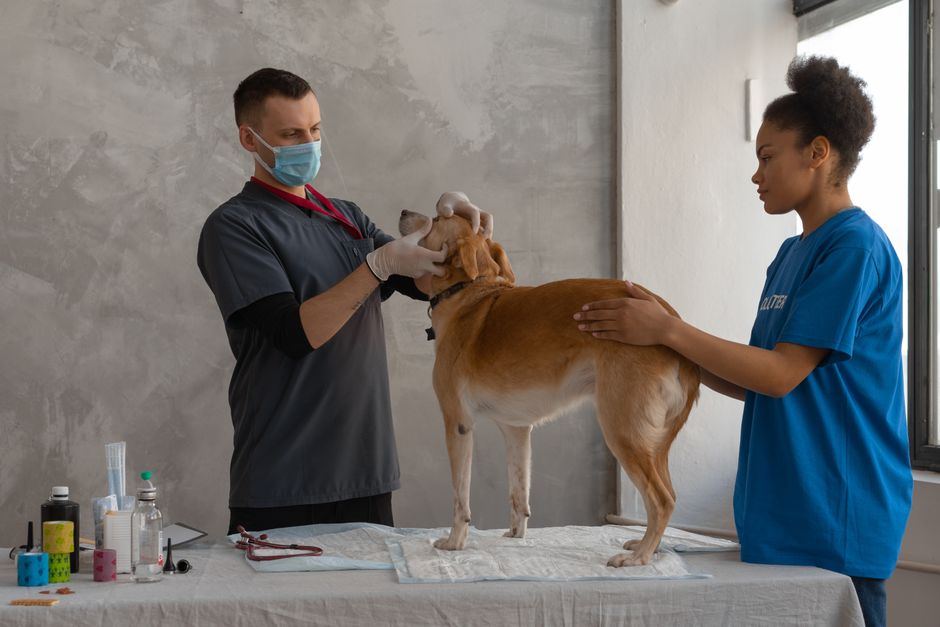
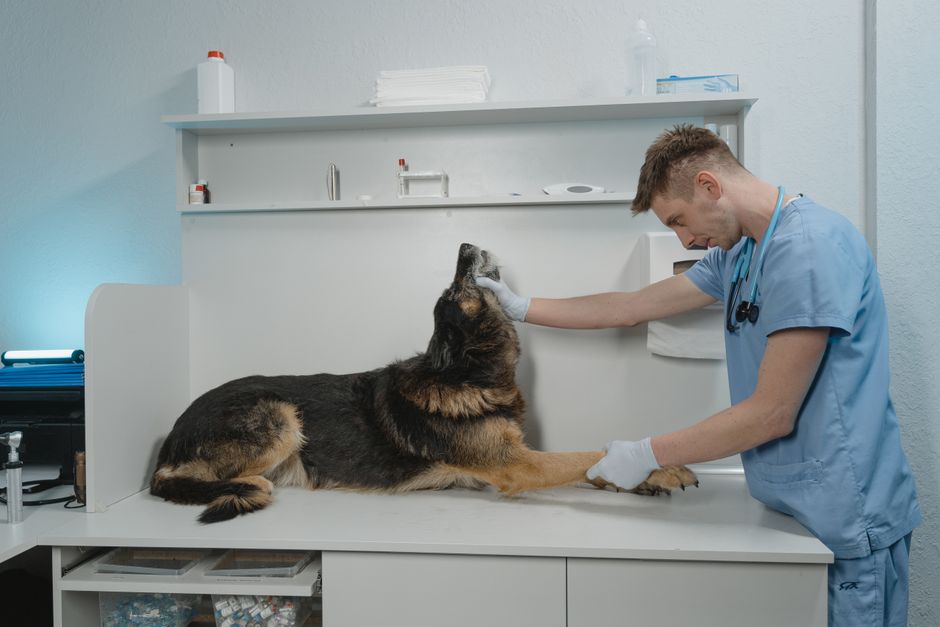
If your pet slips on ice or shows signs of an injury after a winter walk, timely veterinary care is essential. When you bring your dog or cat to Pets4Life in Highland Park, our veterinary professionals will start by conducting a thorough physical examination to identify areas of pain, swelling, or limited movement. We may recommend diagnostic imaging, such as digital radiology or ultrasounds, to check for fractures, dislocations, or ligament injuries.
Treatment approaches depend on the severity of the injury. Mild sprains or strains often respond well to rest, anti-inflammatory medications, and supportive care. More significant injuries, such as ligament tears or broken bones, may require advanced care including ACL repair or specific treatment for fractures and dislocations. Our veterinary team is equipped to manage a range of musculoskeletal injuries, from soft tissue strains to complex orthopedic problems.
For joint issues, such as those related to hip dysplasia or chronic arthritis, we may recommend additional therapies to support recovery and prevent further injury. Our care goes beyond treating the injury; we focus on helping your pet regain mobility and comfort as quickly as possible. Throughout the process, we’ll communicate clearly about your pet’s progress and any home care instructions you’ll need to follow.
If your pet is experiencing symptoms of frostbite or cold exposure, treatment may involve gentle warming, wound management, and supportive care to prevent complications. In all cases, we encourage you to reach out promptly—early intervention can mean a faster, smoother recovery.
Practical Steps to Prevent Winter Injuries During Walks
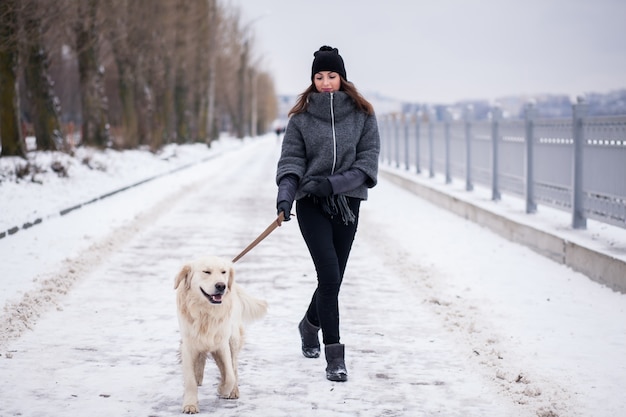
Preparation is the key to safe winter adventures with your pet. Before heading out, consider the weather forecast and the condition of local sidewalks. Choose routes that are well-lit and recently cleared of snow or ice. Outfitting your dog with booties can provide extra traction and protect sensitive paw pads from salt and cold. For pets that aren’t comfortable with footwear, regular checks and gentle cleaning of paws after walks can help remove ice, salt, or debris.
Keep walks shorter during especially frigid days, and encourage your dog to walk at a steady, controlled pace. Using a harness instead of a collar gives you more control and distributes pressure safely if your pet stumbles. For senior pets or those with joint disease, stick to flat, familiar paths and avoid risky areas like steep driveways or icy stairs.
When you return home, dry your pet’s paws thoroughly and inspect for any redness, cracks, or irritation. Consider applying a pet-safe balm to soothe and protect paw pads. For cats that go outdoors, limit their time outside during snow or ice storms, and provide access to a warm, dry haven as soon as they return.
Keeping your pet at a healthy weight also plays a role in joint health, making slips less likely to result in serious injury. Regular wellness examinations at Pets4Life ensure we can monitor your pet’s mobility and overall health, offering advice tailored to your pet’s unique needs and the realities of Highland Park’s winter climate.
Knowing When Your Pet Needs Immediate Veterinary Attention
It’s natural to hope that a minor stumble will resolve on its own, but some symptoms always warrant a veterinary visit. If your dog or cat refuses to bear weight on a limb, cries out in pain, or shows swelling that doesn’t subside, these are signs of a potentially serious injury such as a fracture, ligament tear, or dislocation. Open wounds, visible deformities, or bleeding from the paw or leg should prompt immediate attention.
Frostbite and cold exposure can also be emergencies; seek care if you notice skin that is pale, hard, or cold to the touch, as well as blisters or sores developing after exposure. Older pets, those with chronic health issues, or animals that seem lethargic or unresponsive after time outdoors should be seen promptly.
If you are ever uncertain, our veterinary professionals at Pets4Life are ready to help you determine whether an in-person evaluation is needed. Early intervention can prevent complications and speed up recovery, so don’t hesitate to reach out for guidance.
Remember that each pet is unique. What might be a minor slip for one dog could be a more serious injury for another, especially if underlying joint disease or previous injuries exist. Seeking advice from your veterinarian is always the safest choice.
Your Partner in Winter Pet Safety: Schedule a Visit with Pets4Life
As winter continues in Highland Park and surrounding communities, don’t let worries about icy sidewalks keep you and your pet from enjoying the season. By staying alert to signs of injury, understanding your pet’s unique risk factors, and following our prevention tips, you can help ensure every walk is a safe and positive experience. If your pet does have a mishap, our experienced veterinary team is ready to provide expert care, from comprehensive exams to advanced orthopedic treatments like ACL repair and fracture management.
If you’re searching for a veterinarian near me who understands the local climate and the unique needs of Highland Park pets, look no further than Pets4Life. We invite you to schedule an appointment or call us at (847) 434-2745 for guidance or to book a visit. Our team of veterinarians is committed to supporting your pet’s health through every season, offering compassionate care and practical advice you can trust.
For more resources on winter pet safety, you can explore reputable sites like American Veterinary Medical Association. Always remember, your pet’s well-being is our top priority—let us help you keep them safe, active, and happy all winter long.
This article is intended for informational purposes only and does not substitute for professional veterinary advice. If your pet is injured or showing signs of distress, please consult your veterinarian promptly.