How to Keep Your Pet Safe and Warm This Winter

How to Keep Your Pet Safe and Warm This Winter
Winter in Highland Park can be a magical time, but for our pets, those icy winds and freezing temperatures present unique safety challenges. As proud pet owners, you want to keep your dog or cat cozy, healthy, and protected from winter’s hazards. At Pets4Life, located at 661 Central Avenue, Highland Park, IL 60035, we understand how important it is to safeguard your pet during the coldest months. This guide will help you recognize winter risks, manage outdoor activities, and create a warm, safe environment for your companions. We’ll also share how our veterinary team can support you with preventive care, wellness checkups, and expert advice so your pet thrives all season long.
Whether you’re preparing for snowy walks, wondering about frostbite prevention, or seeking engaging indoor activities, you’ll find practical tips here. And if you’re looking for a caring vet near Highland Park to help with winter pet health, our experienced veterinarians are always just a call away. Let’s explore the best ways to keep your furry family members safe and comfortable until spring returns.
Recognizing Winter Risks: How Cold Weather Affects Dogs and Cats
Chilly weather brings a host of new challenges for pets. While some breeds have thick coats that offer natural insulation, most pets—especially those with short hair, small stature, or underlying health conditions—are vulnerable to cold stress. Recognizing the warning signs of winter-related issues is the first step to keeping your pet safe.
Symptoms that the cold may be affecting your pet include shivering, reluctance to go outside, whining or vocalizing when outdoors, and seeking warmth more than usual. You might also notice that your dog is lifting their paws frequently during walks or your cat is sleeping in tight, hidden spaces to conserve heat. In more severe cases, signs of frostbite or hypothermia may develop. Frostbite can cause pale, hard skin that later turns red or swollen, particularly on ear tips, tails, or paw pads. Hypothermia presents as lethargy, weakness, confusion, and slowed breathing. These symptoms are always cause for concern and require immediate veterinary attention.
Older pets, puppies, kittens, and animals with chronic illnesses or thin body conditions are especially at risk. Even healthy adult pets can suffer if left outdoors for extended periods during frigid weather.
Understanding Why Winter Poses a Threat: The Science Behind Cold-Weather Hazards
Cold weather affects pets in several ways. When temperatures drop, pets lose body heat more quickly, especially if they are small, have thin coats, or lack sufficient body fat. Prolonged exposure to cold can cause their core temperature to fall below safe levels, leading to hypothermia. Wind chill further increases this risk, as the wind strips away the insulating layer of warm air trapped by fur.
Frostbite occurs when blood vessels in the extremities constrict in response to cold, reducing blood flow to paws, ears, and tails. This can result in tissue damage, even if your pet seems comfortable at first. Additionally, icy sidewalks may be treated with salt or chemical deicers, which can irritate sensitive paws or pose health risks if licked off fur.
Indoor hazards also increase during the winter months. Space heaters, fireplaces, and electric blankets can cause burns or accidental injuries. Pets may also be exposed to antifreeze spills in garages or driveways, which can be highly toxic.
Finally, winter can mean less outdoor exercise and mental stimulation for your pets, leading to boredom or weight gain if not managed carefully.
Managing Winter: Professional Care and What to Expect at Pets4Life
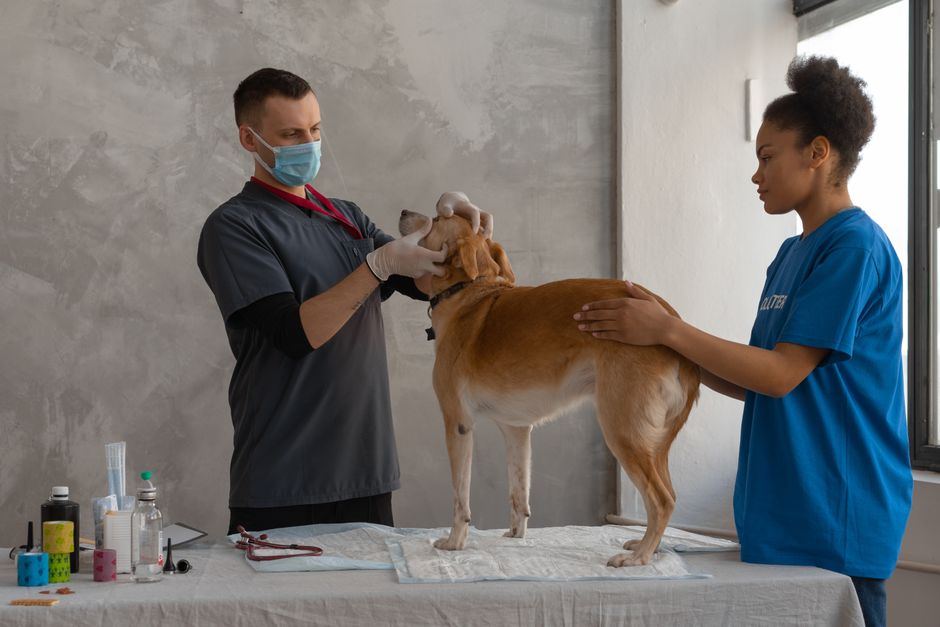
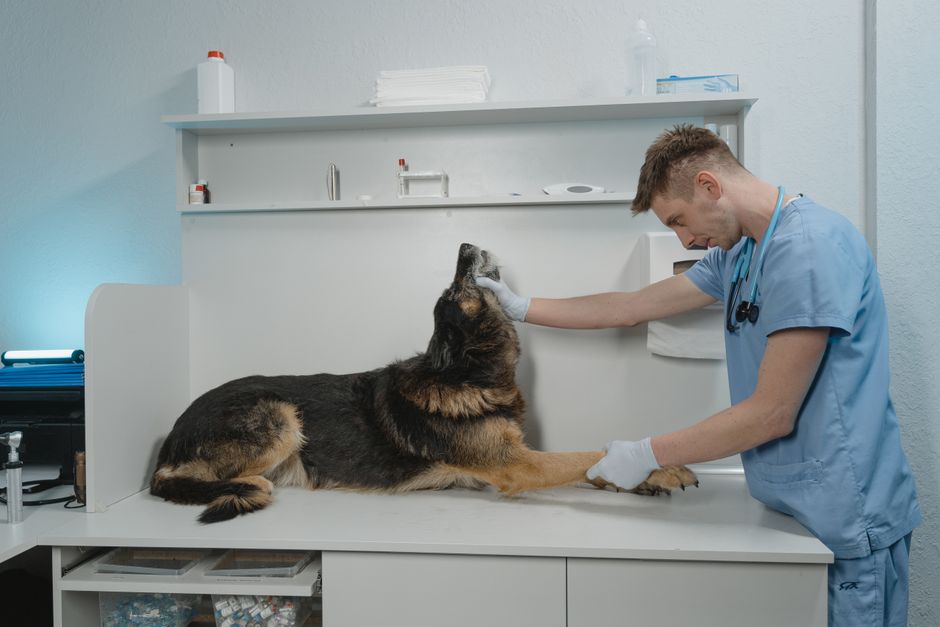
When it comes to protecting your pet’s health during the winter, professional veterinary care plays a crucial role. Regular wellness exams at Pets4Life help us detect early signs of cold-weather-related issues and ensure your pet is healthy enough to handle seasonal challenges. During a wellness examination, our veterinarians will check for signs of arthritis, skin problems, and other conditions that may worsen in colder weather. We’ll also review your pet’s vaccination status, as respiratory illnesses and other infectious diseases can circulate more in winter when pets spend time in close quarters, such as daycare or grooming facilities.
If your pet does develop symptoms of frostbite or hypothermia, immediate veterinary attention is critical. Treatment for mild frostbite may involve gentle rewarming and pain management, while more severe cases might require wound care or even surgery to remove damaged tissue. Hypothermia is a medical emergency; we provide supportive care such as warm IV fluids, temperature monitoring, and gradual rewarming techniques to help pets recover safely.
Pets4Life also offers telehealth consultations for non-emergency winter questions, so you can get advice from our veterinary professionals without leaving the warmth of your home. For dogs who need extra exercise or socialization when outdoor time is limited, our Doggy Day Camp provides a fun, safe place to play indoors.
Keeping Pets Safe at Home: Winter Prevention and Home Care Tips
There are many steps you can take at home to help your pet stay safe and comfortable during Highland Park winters. First, limit outdoor time when temperatures are below freezing, especially for pets with thin coats or health issues. If your dog needs to go outside, keep walks short and consider using a coat or sweater for extra warmth. For cats, it’s best to keep them indoors entirely during very cold weather.
Protect your pet’s paws by wiping them after walks to remove salt, ice, and chemical deicers. You can also use pet-safe booties or paw balms to minimize irritation. Make sure your pet always has access to fresh, unfrozen water and a warm, draft-free place to sleep. Avoid using space heaters or open flames without supervision, as curious pets can get burned or start a fire.
Enrich your pet’s indoor environment with interactive toys, puzzle feeders, or supervised play sessions to prevent boredom. If your pet attends grooming or daycare, confirm that the facility maintains a safe, warm environment. During the winter, it’s also wise to maintain your pet’s regular wellness examination schedule, as underlying medical issues can be harder to spot when pets are more sedentary.
When to Contact Your Veterinarian: Recognizing Winter Emergencies
Some winter problems require prompt veterinary care. If your pet is shivering uncontrollably, seems confused or unresponsive, or shows signs of frostbite such as pale or discolored skin on the ears, tail, or paws, seek help right away. Vomiting, difficulty breathing, or sudden weakness after time outdoors can also indicate a serious issue related to cold exposure or potential ingestion of toxic substances like antifreeze.
If you’re ever unsure whether your pet’s symptoms are cause for concern, it’s always best to reach out to our veterinary team for guidance. Pets4Life offers comprehensive veterinary services for all your winter pet care needs, including diagnostic testing, wound care, and support for chronic conditions that may flare up during the colder months. Even if your pet seems only mildly affected, prompt care can prevent more serious problems from developing.
Remember, keeping your pet up to date on vaccinations and wellness exams is just as important in winter as it is during the rest of the year. Preventive care helps us catch problems early and keeps your pet resilient in the face of seasonal challenges.
Winter Wellness for Pets: Your Partner in Year-Round Health
As winter settles over Highland Park and surrounding communities, your pet’s comfort and safety become more important than ever. By staying alert to signs of cold stress, providing plenty of warmth and enrichment indoors, and working with your veterinarian for preventive care, you’ll help your dog or cat thrive all season long.
If you’re searching for a veterinarian near me who truly understands local winter conditions and offers comprehensive, compassionate care, Pets4Life is here to support you. Schedule an appointment for a wellness examination or call our veterinary team for winter health advice and personalized recommendations. Our experienced veterinarians are always happy to help you navigate the unique challenges of the season, whether you need routine care, urgent support, or just peace of mind.
To book your pet’s next visit or learn more about our winter safety tips, contact our veterinary professionals at (847) 434-2745 or stop by our hospital at 661 Central Avenue, Highland Park, IL 60035. For additional information about our full range of veterinary services, visit our website at pets4.com. Together, let’s make this winter a comfortable, joyful season for every member of your furry family.
Disclaimer: This article is intended for informational purposes only and does not replace professional veterinary advice. Always consult with your veterinarian regarding your pet’s specific needs or if you have concerns about their health during winter.