How to Protect Your Pet From Fleas and Ticks in June

How to Protect Your Pet From Fleas and Ticks in June
As June arrives in Highland Park, pet owners know that warmer weather brings an unwelcome challenge: the rise of fleas and ticks. These tiny parasites are more than just a nuisance; they pose real health risks to both dogs and cats, potentially leading to discomfort, skin infections, and even serious diseases. At Pets4Life, located at 661 Central Avenue, Highland Park, IL 60035, our veterinary team is dedicated to helping you keep your pet safe and comfortable all summer long. In this guide, we will explore how to recognize the signs of flea and tick problems, understand why these parasites are such a concern in our area, discuss treatment and prevention strategies, and explain when it's time to schedule a veterinary visit.
Whether you are searching for a "vet near me" or want the most up-to-date advice on parasite prevention, our goal is to give you peace of mind and the knowledge you need to protect your pet. If you have questions about your pet’s current parasite prevention plan or need help choosing the right product, our veterinarians are always here to support you. For a complete overview of our comprehensive preventive care offerings, you can also explore our veterinary services.
Recognizing the Signs: How to Tell if Your Pet Has Fleas or Ticks
Fleas and ticks are experts at hiding, but your pet may give you clues that something isn’t quite right. Common signs of flea infestations include frequent scratching, biting, or licking, especially around the base of the tail, groin, or under the legs. You may notice small, red bumps on the skin or find tiny black specks—commonly known as "flea dirt"—on your pet’s bedding or fur. In some cases, pets develop hair loss or scabs from constant irritation. Ticks, on the other hand, are sometimes easier to spot visually; they attach themselves to the skin, often in hidden areas like the ears, neck, or between the toes.
Cats may be more subtle in their reactions, sometimes simply grooming more often or becoming less active. If you notice that your cat is suddenly hiding, losing fur, or developing skin irritation, a closer inspection for parasites is warranted. In both dogs and cats, heavy infestations can lead to anemia, where your pet seems unusually tired or weak. Prompt detection is key, as untreated flea and tick problems can quickly escalate and lead to additional health complications.
Why Fleas and Ticks Are a Major Concern in June
In Highland Park and surrounding communities, June marks the beginning of peak flea and tick season. As temperatures climb and humidity increases, these parasites become far more active. Fleas thrive in warm, moist environments, laying eggs in your home’s carpet, your pet’s bedding, and even in cracks in hardwood floors. A single flea can lay dozens of eggs in a day, leading to rapid reinfestation if not addressed.
Ticks are commonly found in grassy areas, wooded trails, and even backyard gardens. Local wildlife such as squirrels, raccoons, and deer can bring ticks into your neighborhood, increasing the risk of exposure for pets. Dogs that enjoy walks through parks or off-leash adventures in nature are especially at risk, but indoor cats can also be exposed if ticks hitch a ride on clothing or other animals.
The danger posed by fleas and ticks goes beyond itchy skin. Fleas are known carriers of tapeworms and can trigger allergic reactions in sensitive animals. Ticks can transmit serious diseases, including Lyme disease, ehrlichiosis, and anaplasmosis, some of which are present in northern Illinois. Early summer is the ideal time to step up your prevention efforts, as catching and controlling these pests now can save your pet from discomfort and protect their long-term health.
Treatment Options: How Veterinarians Can Help
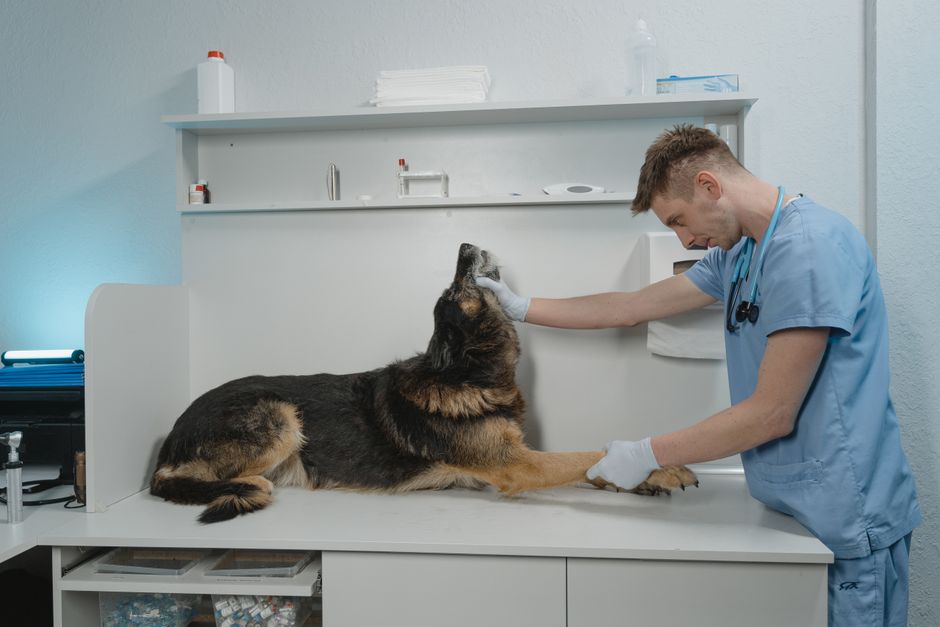
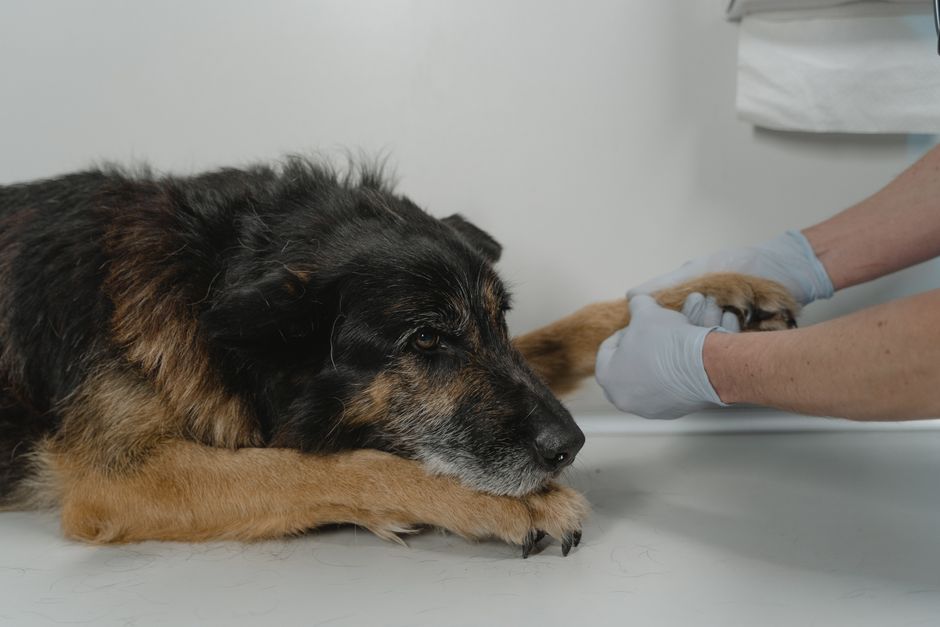
If you suspect your pet has fleas or ticks, professional veterinary care is the safest way to ensure effective treatment and relief. At Pets4Life, our team will begin with a thorough skin and coat examination, often using a flea comb and careful inspection to locate evidence of parasites. If necessary, additional diagnostic tests may be recommended to check for tick-borne diseases or secondary skin infections.
Treatment approaches for flea infestations typically involve prescription oral or topical medications that kill adult fleas and disrupt the life cycle, preventing eggs from hatching. Medicated shampoos may be recommended for immediate relief, particularly in cases of severe itching or skin irritation. For ticks, safe removal is essential; our veterinary professionals can demonstrate the correct technique to avoid leaving mouthparts behind, which could cause infection.
In cases where pets have developed allergic dermatitis or secondary infections, additional medications such as antibiotics or anti-itch therapies may be needed. Our veterinarians will tailor a treatment plan based on your pet’s age, health status, and lifestyle. For ongoing protection, we will recommend safe, effective year-round parasite prevention tailored to your pet’s needs. If you are looking for more details about our preventive care protocols, visit our wellness examination page to see how we support your pet's overall wellbeing.
Preventing Fleas and Ticks: Steps You Can Take at Home
Prevention remains the best strategy when it comes to fleas and ticks. The first step is to use veterinarian-recommended flea and tick preventives consistently throughout the year. These products may include monthly topical treatments, oral medications, or long-lasting collars; our veterinary team can help you select the best option for your dog or cat based on lifestyle and health considerations.
Regularly checking your pet’s coat after walks or outdoor play is also a valuable habit. For dogs, pay close attention to the ears, neck, armpits, and between the toes. For cats, inspect around the head and neck, especially if they have outdoor access. If you find a tick, use fine-tipped tweezers to grasp it close to the skin and gently pull straight out; avoid twisting, as this can leave parts behind.
Keeping your home and yard clean is another important step. Frequently wash your pet’s bedding, vacuum carpets and upholstery, and keep grass and shrubs trimmed short to reduce tick habitat. If your yard is frequented by wildlife, consider fencing or other deterrents to limit tick exposure.
For multi-pet households, ensure that all animals are on a prevention program to break the flea life cycle and prevent reinfestation. If you have questions about safe products for your specific situation, our team is happy to help guide you.
When to Call Your Veterinarian
Knowing when to seek professional help is critical in protecting your pet’s health. Schedule a veterinary appointment promptly if you notice persistent scratching, skin irritation, hair loss, or visible fleas or ticks that do not respond to over-the-counter treatments. Pets with pale gums, lethargy, loss of appetite, or signs of illness after a tick bite should be seen right away, as these may indicate more serious complications such as anemia or tick-borne disease.
Puppies, kittens, senior pets, and animals with chronic health conditions are particularly vulnerable to the effects of flea and tick infestations, so err on the side of caution and consult your veterinarian early. Our veterinary team at Pets4Life is equipped to provide safe, effective care and can guide you on the best course of action if you are unsure. For added convenience, our telehealth veterinary consultations may be an option for non-urgent questions or follow-up advice.
Protecting Your Pet All Summer Long
Fleas and ticks are a reality of life in Highland Park and the surrounding communities during the summer months, but with the right prevention and timely veterinary care, you can keep your pet comfortable and healthy. Be proactive by using veterinarian-approved preventives, regularly checking your pet for signs of parasites, and maintaining a clean home and yard. If you are searching for a veterinarian near me who truly understands local parasite risks and offers comprehensive care, look no further than Pets4Life.
Our veterinarians are committed to supporting you at every step, from routine wellness visits and vaccination services to advanced diagnostics and treatment. To schedule an appointment or discuss your pet’s parasite prevention plan, call us at (847) 434-2745 or stop by our hospital at 661 Central Avenue, Highland Park, IL 60035. You can also explore our full range of comprehensive veterinary services for more information. Together, we will help your pet enjoy a safe, happy, and itch-free summer season.
This article is intended for informational purposes only and should not replace professional veterinary advice or care. If your pet is experiencing symptoms of flea or tick infestation, or you have concerns about their health, consult your veterinarian promptly.