How Flea and Tick Prevention Protects Pets in Highland Park

How Flea and Tick Prevention Protects Pets in Highland Park
As summer reaches its peak in Highland Park, pet owners are all too familiar with the surge of itchy, unwelcome guests that can latch onto dogs and cats: fleas and ticks. If you have noticed your pet scratching more than usual or you are concerned about protecting your furry companion from these pests during outdoor adventures, you are not alone. Flea and tick prevention is a vital part of keeping pets healthy and comfortable, especially during the warm, humid months when these parasites are most active in Illinois. At Pets4Life, located at 661 Central Avenue, Highland Park, IL 60035, our veterinary team understands just how challenging flea and tick season can be. In this blog, we will explore how flea and tick prevention works, why it is essential for Highland Park pets, and how our team can help you choose the right strategy for your dog or cat. Whether you are searching for a "vet near me" or looking for practical advice on year-round prevention, you will find the information you need to keep your pet itch-free and happy all summer long.
Recognizing the Signs: Is Your Pet at Risk for Fleas and Ticks?
Fleas and ticks are more than just a seasonal nuisance; they can cause significant discomfort and transmit serious diseases to both dogs and cats. In Highland Park and surrounding communities, the warm, humid summer creates ideal conditions for these parasites to thrive. Key symptoms that your pet may have fleas include persistent scratching, biting at the skin, hair loss—especially near the tail or belly—and the appearance of tiny black specks (flea dirt) on your pet's bedding or fur. Other signs can include red, irritated skin or even small scabs where your pet has been bitten.
Ticks are often a bit harder to spot but checking your pet after walks in wooded or grassy areas is crucial. Ticks may look like small, dark lumps attached to the skin, and they tend to hide around the ears, between toes, under collars, or in armpits. If your cat or dog seems unusually tired, develops a sudden fever, or has swollen joints, these could be signs of tick-borne illness and should prompt a call to your veterinarian. Being vigilant about these symptoms is the first step in protecting your pet from the discomfort and health risks associated with fleas and ticks.
Why Fleas and Ticks Are a Problem in Highland Park
Fleas and ticks are more than just a source of irritation for pets; they are also vectors for a range of diseases that can affect both animals and humans. In Highland Park, the summer climate supports robust flea and tick populations, particularly from late spring through early fall. Fleas can cause intense itching and allergic reactions, and in severe cases, lead to anemia, particularly in young or small pets. Ticks are notorious for transmitting Lyme disease, ehrlichiosis, and other potentially serious conditions.
Local wildlife, such as deer and raccoons, often carry ticks into suburban neighborhoods, and even indoor pets can be exposed if other animals or people inadvertently bring pests inside. Flea infestations can begin with a single flea hitching a ride on your pet during a walk and quickly escalate to an entire household issue as fleas rapidly reproduce in carpets, furniture, and pet bedding. The close-knit neighborhoods and abundant green spaces in Highland Park make it easy for fleas and ticks to spread, which is why a proactive approach to prevention is so important for local pet owners.
How Veterinarians Treat and Prevent Flea and Tick Problems
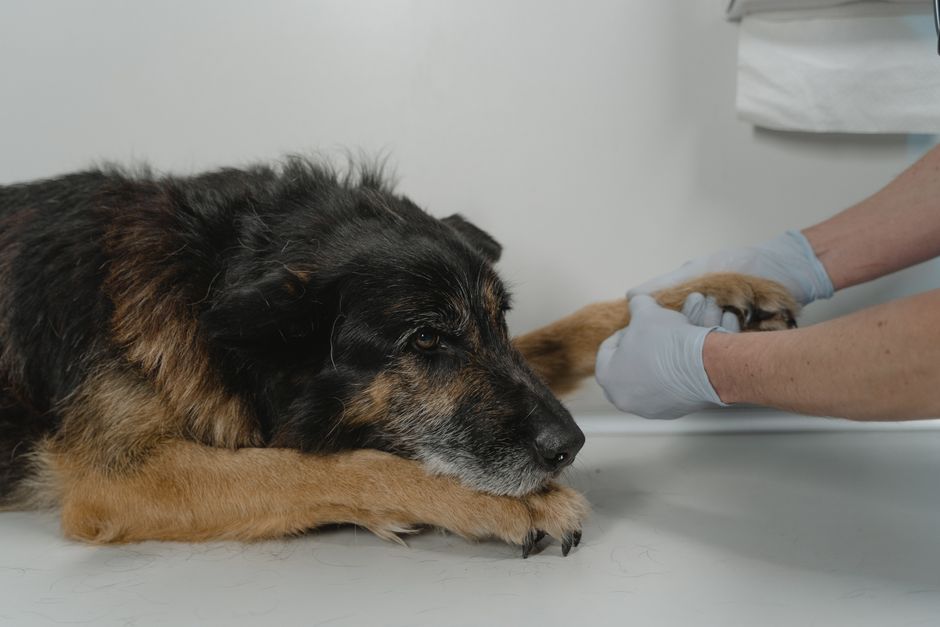
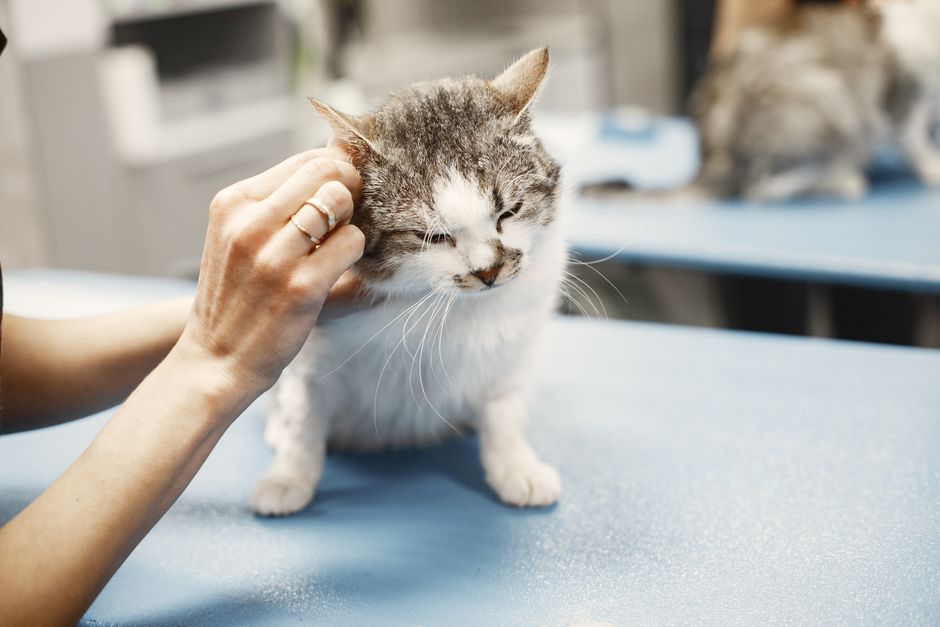
When you bring your dog or cat to Pets4Life for flea or tick concerns, our veterinary team will begin with a thorough examination to check for visible parasites and any signs of skin irritation or illness. If fleas are present, we may find flea dirt or even live fleas moving through your pet’s coat. For ticks, we will carefully inspect the skin, especially in areas where ticks like to hide.
Treatment approaches involve using veterinarian-recommended flea and tick preventives, which can include topical solutions, oral medications, collars, or a combination of these methods. The choice of product depends on your pet's species, age, health status, and lifestyle. Some preventives kill adult fleas and ticks on contact, while others also target eggs and larvae to break the parasite’s life cycle. In cases where a pet is already infested, treatment may also include gentle bathing, prescription medications to alleviate itching or inflammation, and advice on cleaning your home environment to prevent reinfestation.
Our team will also discuss any underlying issues, such as skin allergies or other health concerns, and recommend a customized prevention plan. If you are interested in learning more about our comprehensive veterinary services, including preventive care, our veterinarians are happy to answer your questions and help you select the most effective products for your pet.
Year-Round Flea and Tick Prevention: What Pet Owners Can Do at Home
Preventing fleas and ticks is far easier—and healthier—than dealing with an established infestation. While many pet owners associate these pests with the summer months, veterinarians in Illinois now recommend year-round protection due to milder winters and the risk of indoor infestations. Steps you can take at home begin with administering your veterinarian-recommended preventive every month, even during the colder seasons. These products are highly effective when used consistently as directed.
After walks or playtime outdoors, make it a habit to check your pet for ticks, especially if you have visited parks, trails, or areas with tall grass. Run your hands slowly over your pet’s body, feeling for small bumps or lumps, and pay special attention to the head, ears, and between the toes. Washing your pet’s bedding and vacuuming frequently can help remove flea eggs and larvae from your home environment. If your pet has a history of flea allergies or sensitive skin, speak with your veterinarian about gentle shampoos, sprays, or environmental controls that can further reduce risk.
Remember, not all over-the-counter flea and tick products are equally safe or effective. Our veterinary team can help you avoid potential pitfalls by recommending products that best match your pet’s unique needs and monitoring for any side effects. For more information about our preventive care options, visit our page on comprehensive veterinary services.
When to Schedule a Veterinary Visit for Flea and Tick Issues
Some flea and tick problems can be managed at home, but certain situations call for prompt attention from your veterinarian. If your dog or cat is scratching constantly, losing hair, developing sores, or showing signs of illness such as fever, lethargy, or loss of appetite, it is important to schedule an appointment right away. Tick bites that become red or swollen, or ticks that are difficult to remove, also warrant a professional evaluation.
Additionally, if you are struggling with a recurring infestation despite regular prevention, this could be a sign of resistance to certain products or a need for a more comprehensive approach. The veterinarians at Pets4Life can help diagnose the issue, rule out underlying conditions, and recommend advanced treatment strategies. Early intervention not only helps your pet feel better faster, but also prevents the spread of parasites to other pets and family members in your household.
Why Local Solutions Matter: Flea and Tick Control in Highland Park
Every region has its own flea and tick challenges, and Highland Park is no exception. Local climate, wildlife, and pet population density all influence which parasites are most prevalent and which prevention options are most effective. By working with a veterinary team that knows the specific risks in Highland Park and surrounding communities, you can be confident that your pet is receiving protection tailored to local conditions.
Pets4Life stays up to date on the latest parasite trends and preventive products available in the Highland Park area. Our veterinarians regularly consult with pet owners about seasonal risks, regional parasite outbreaks, and emerging products on the market. We are committed to educating our clients on the best ways to safeguard their pets and to making sure every dog and cat gets the individualized care they deserve.
Keeping Your Pet Protected: Next Steps for Highland Park Pet Owners
Flea and tick prevention is an essential part of responsible pet ownership in Highland Park. These parasites are more than a nuisance; they can seriously impact your pet’s comfort and health. By recognizing early warning signs, understanding local risks, and choosing veterinarian-recommended prevention, you can help your dog or cat enjoy a safe, itch-free summer and beyond.
If you have questions about the best flea or tick prevention for your pet, or if you need help managing an existing problem, the veterinary professionals at Pets4Life are here to help. We invite you to schedule an appointment at our conveniently located hospital at 661 Central Avenue, Highland Park, IL 60035. Whether you are searching for a "vet near me" or want to learn more about our comprehensive veterinary services, our team is ready to partner with you in keeping your pet healthy year-round.
To book your visit or speak with our veterinary team, call (847) 434-2745. Let us help you create a safe, comfortable environment for your pet, so you can both enjoy everything Highland Park’s summer has to offer.