Complete Guide to Pet Dental Care in Highland Park
Complete Guide to Pet Dental Care in Highland Park
Is your dog or cat due for a dental checkup? If you have ever wondered why dental care is such a vital part of your pet’s overall health, you are not alone. Dental problems are one of the most common health issues seen in dogs and cats, and without proper attention, they can lead to discomfort, infection, and even affect your pet’s organs. At Pets4Life, conveniently located at 661 Central Avenue, Highland Park, IL 60035, our veterinary team is passionate about helping pet owners in Highland Park and surrounding communities keep their pets happy and healthy—starting with a bright, pain-free smile.
In this guide, we will walk you through everything you need to know about pet dental care. You will learn why it matters, how to recognize the signs of dental trouble, what causes these problems, and what you can expect from professional cleanings and at-home care. We will also share tips on when to schedule a dental evaluation and how to choose a trusted "vet near me" for your pet’s ongoing wellness. If you are searching for dependable dental care from a veterinarian in Highland Park, our team at Pets4Life is here to help every step of the way.
How to Recognize Dental Problems in Your Pet
Dental disease often develops slowly, and many pet owners may not notice the early warning signs. Because dogs and cats instinctively hide discomfort, subtle changes can go unnoticed until the problem becomes advanced. Common symptoms of dental issues include persistent bad breath, red or bleeding gums, visible tartar buildup on the teeth, and difficulty eating or chewing. You might also notice your pet pawing at their mouth, drooling more than usual, dropping food, or becoming less interested in their favorite chew toys.
In some cases, pets may develop swelling around the mouth or even shy away from being touched on the head or face. Over time, dental disease can cause loose or missing teeth, and if infection spreads, it may lead to more serious conditions affecting the heart, liver, or kidneys. Paying close attention to your pet’s eating habits, breath, and overall demeanor is essential for catching dental problems early.
Why Do Dental Issues Occur in Dogs and Cats?
Understanding the causes of dental disease helps pet owners take proactive steps to protect their pets. The most common dental problem in both dogs and cats is periodontal disease, which begins when bacteria in the mouth form a sticky film called plaque on the teeth. If not removed by daily chewing or brushing, plaque hardens into tartar, leading to inflammation and infection of the gums.
Breed and age can influence your pet’s risk. Small breed dogs and flat-faced cats are especially prone to dental disease due to crowded or misaligned teeth. Older pets tend to accumulate more tartar and may have pre-existing gum disease. Diet also plays a role; pets fed primarily soft food or table scraps are at higher risk than those who eat kibble or have dental chews as part of their routine.
Other contributors include genetics, lack of routine dental care, and certain underlying health conditions like diabetes. Even with the best intentions, home care alone is rarely enough to prevent dental problems, making professional veterinary support essential for long-term oral health.
Professional Dental Cleaning: What to Expect
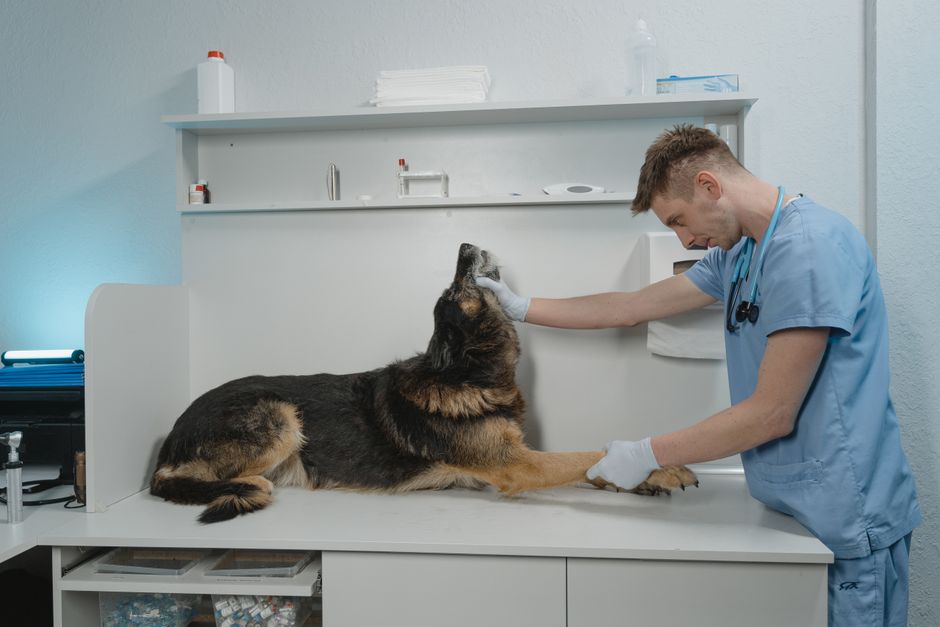
When you schedule a dental cleaning for your pet at Pets4Life, you are investing in their comfort and well-being. A professional cleaning goes far beyond what can be achieved at home. Our veterinary team begins with a thorough oral exam to assess your pet’s teeth and gums. If needed, we may recommend dental radiography to detect hidden problems below the gumline, such as tooth root abscesses or bone loss.
Once your pet is safely under anesthesia, we use specialized instruments to remove plaque and tartar from every tooth surface, including those hard-to-reach areas. The teeth are then polished to smooth the enamel, making it more difficult for bacteria to adhere in the future. If we discover damaged or infected teeth, we discuss options for pet tooth extractions or pet oral surgery as needed to restore your pet’s comfort and health.
After the procedure, you will receive clear instructions on home care and any necessary follow-up. Most pets recover quickly and experience a noticeable improvement in their breath, comfort, and enthusiasm at mealtime.
At-Home Dental Care: Steps for a Healthier Smile
Daily dental care at home is the best way to extend the benefits of professional cleanings and prevent disease from returning. Brushing your pet’s teeth with a pet-safe toothpaste is the gold standard, but we recognize that not every pet will tolerate this right away. Introducing tooth brushing gradually—starting by letting your pet taste the toothpaste and gently lifting their lips—can help create a positive experience.
If brushing is not possible, dental diets, treats, or chews approved by the Veterinary Oral Health Council can help reduce plaque. Toys designed to encourage chewing may also contribute to cleaner teeth, but it is important to select products that are safe for your dog or cat’s size and chewing habits. Water additives, oral gels, and wipes are additional options, but they work best as part of a broader dental care routine.
Remember that home care is most effective when combined with regular dental exams from your veterinarian. Our team at Pets4Life can help you tailor a plan that fits your pet’s needs and your lifestyle.
When Should You Schedule a Dental Checkup?
Routine dental evaluations are recommended at least once a year for most dogs and cats, but some pets may need more frequent visits based on their age, breed, and dental history. You should schedule an appointment promptly if you notice signs such as persistent bad breath, red or swollen gums, loose or broken teeth, difficulty eating, or any change in your pet’s behavior around their mouth.
Pets with chronic health conditions, those who have had previous dental procedures, or breeds known for dental issues benefit from more frequent checkups. If you are unsure about your pet’s dental health, our professional dental cleaning services are available to ensure your dog or cat receives the best possible care.
Why Choose Pets4Life for Pet Dental Care in Highland Park?
At Pets4Life, our experienced veterinary professionals are committed to delivering comprehensive dental care tailored to your pet’s unique needs. We use the latest technology, including digital dental radiography and advanced anesthesia monitoring, to ensure every procedure is as safe and thorough as possible. Whether your pet needs routine cleanings, dental x-rays, oral surgery, or extractions, our team provides compassionate guidance and support from start to finish.
As a full-service veterinary hospital, we offer a complete range of dental care services to families in Highland Park and nearby neighborhoods. We are dedicated to helping you maintain your pet’s health through every stage of life, building long-term relationships based on trust and personalized care. Our convenient location, flexible scheduling, and commitment to education make us a trusted resource for pet owners seeking quality veterinary care close to home.
Take the Next Step: Keep Your Pet’s Smile Healthy Year-Round
Your pet’s dental health is too important to overlook. By recognizing the signs of dental disease, understanding risk factors, and investing in both professional and at-home care, you can give your dog or cat a lifetime of comfort and wellness. If you are searching for a reliable "veterinarian near me" or want to learn more about dental care services for pets, Pets4Life is here to help.
To schedule a dental checkup or speak with our veterinary team, call (847) 434-2745 or visit us at 661 Central Avenue, Highland Park, IL 60035. We look forward to partnering with you to keep your pet’s smile shining bright—today and every day.
This blog is intended for informational purposes only and does not replace professional veterinary care. If you have concerns about your pet’s dental health, please consult with your veterinarian.