Why Is My Pet Shivering? Understanding Winter Pet Behaviors

Why Is My Pet Shivering? Understanding Winter Pet Behaviors
Winter in Highland Park can bring a chill that affects not just humans but our furry companions as well. If you have noticed your cat or dog shivering during the colder months, you are certainly not alone. Many pet owners worry when they see their pets trembling, especially with the unpredictable Midwest weather. At Pets4Life, located at 661 Central Avenue, Highland Park, IL 60035, we understand how concerning it can be to spot pet shivering symptoms and wonder if your pet is simply cold, feeling anxious, or experiencing a more serious health problem.
In this blog, we will guide you through the difference between normal winter pet behaviors and signs that may indicate a medical issue. We will discuss the reasons why pets shiver during colder months, how to recognize when pet shivering symptoms may signal something more serious, steps you can take at home, and when it is time to schedule an appointment with your local veterinary team. For pet owners searching for a "vet near me" or looking to understand more about pet winter health in Highland Park and surrounding communities, this comprehensive guide is here to help. If you are already concerned about your pet’s health, our wellness examination services are always available to provide peace of mind and thorough care.
Recognizing Pet Shivering Symptoms: When Should You Be Concerned?
Pets may shiver for a variety of reasons, and not all of them are cause for alarm. Understanding when shivering is a normal response to winter and when it could be a sign of illness is key to safeguarding your pet’s wellbeing.
Key symptoms to watch for include persistent or severe shivering that does not stop once your pet is warmed up. Additionally, if shivering is accompanied by lethargy, loss of appetite, vomiting, diarrhea, difficulty walking, or changes in behavior, these could be warning signs of an underlying health problem. Other concerning symptoms are coughing, difficulty breathing, or a sudden collapse. In young puppies, kittens, senior pets, or those with chronic health conditions, even mild shivering may require prompt veterinary attention, as these pets are more vulnerable to cold and illness.
Many pet owners notice their dog trembling after coming in from a walk on a snowy day, or see their cat shivering when a draft passes through the house. Occasional, brief shivering that stops after warming up is often a natural reaction to cold weather. However, repeated or unexplained trembling should not be ignored, especially if your pet seems distressed or is displaying other unusual symptoms. If you are ever unsure, a comprehensive pet exam can help clarify the cause and ensure your pet is healthy.
Common Causes of Shivering and Trembling in Pets During Winter
Shivering in pets is most often a response to cooler temperatures, but there are several other factors that can contribute to this symptom. Understanding these causes can help you distinguish between normal winter pet behaviors and issues that require veterinary attention.
Cold Temperatures and Hypothermia
The most common reason pets shiver in winter is simply because they are cold. Short-haired breeds, smaller pets, seniors, and those with chronic health issues are more likely to be affected by the cold. When a pet’s body temperature drops, shivering is a natural reflex that helps generate heat. Hypothermia can develop if pets are exposed to freezing temperatures for too long, especially if they get wet or are not moving much. Symptoms of hypothermia in pets include continuous shivering, cold ears and paws, pale gums, and sluggishness.
Anxiety and Excitement
Shivering is not always linked to temperature. Pets may tremble due to anxiety, excitement, or stress. Common triggers include loud noises, unfamiliar environments, visits to the veterinarian, or separation from their owners. Winter storms and changes in daily routines can also heighten anxiety for some pets.
Pain, Illness, and Underlying Health Conditions
Shivering can be a sign of pain or illness in dogs and cats. Conditions such as arthritis, muscle injuries, or infections can cause trembling. Additionally, certain illnesses like distemper, kidney disease, or poisoning may present with shivering as one of the symptoms. If your pet’s shivering is accompanied by other signs of illness, it is important to seek veterinary care as soon as possible.
Breed, Age, and Medical History
Some breeds are naturally more prone to shivering, especially smaller dogs or those with thin coats such as Chihuahuas or Greyhounds. Puppies, kittens, and older pets can experience temperature sensitivity more intensely than healthy adult animals. Pets with medical histories involving chronic disease, recent surgery, or ongoing medication may also be more susceptible to shivering, especially during winter months.
If you are concerned about your pet’s winter health in Highland Park or want to rule out underlying issues, consider scheduling a visit with our diagnostic laboratory services for a thorough checkup.
Veterinary Treatment and Management for Pet Shivering Symptoms
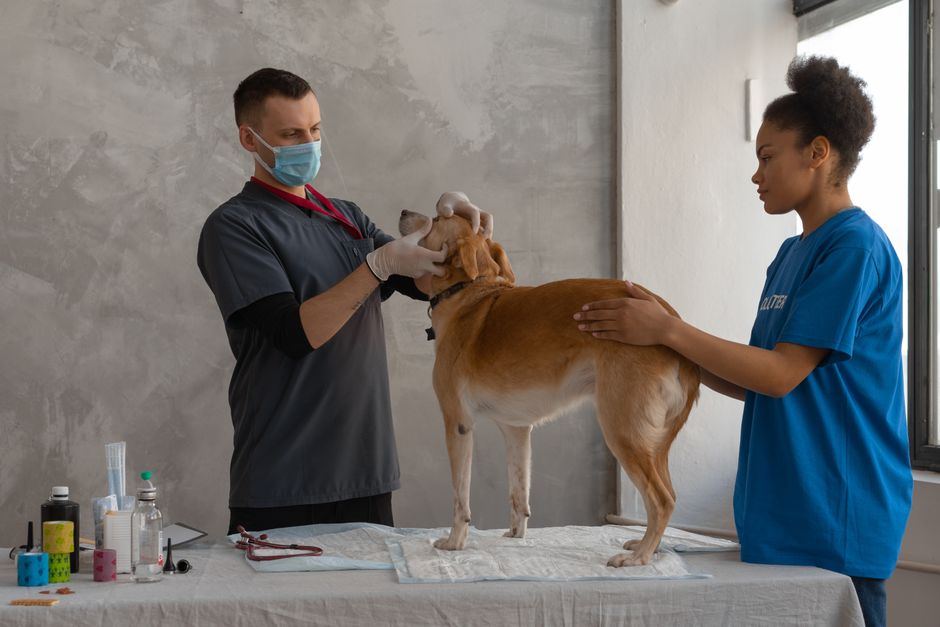
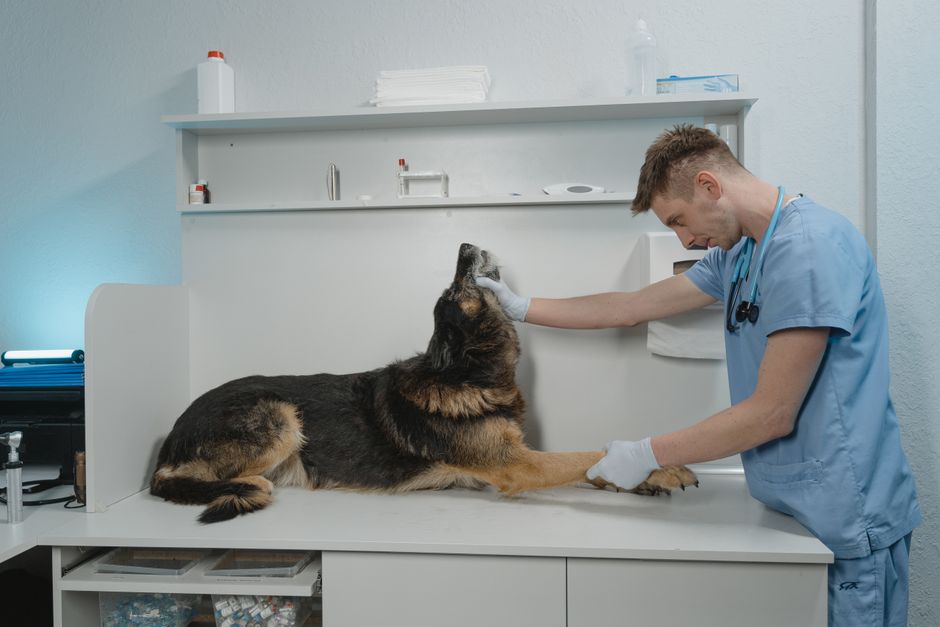
When you bring your pet to Pets4Life for persistent shivering or winter health concerns, our veterinary team will start by conducting a thorough physical examination and reviewing your pet’s history. This may include questions about recent activities, exposure to cold, changes in behavior, and any additional symptoms you have observed.
If the cause appears to be related to cold exposure, the main goal is to gradually warm your pet and monitor for signs of hypothermia or frostbite. In cases where an underlying illness or injury is suspected, our team may recommend diagnostic tests such as bloodwork, urinalysis, or imaging studies to assess for infections, metabolic disorders, or pain-related conditions. Our diagnostic laboratory services in Highland Park allow us to quickly evaluate your pet’s health and tailor treatment to their specific needs.
Treatment options can involve supportive care such as intravenous fluids, medications to control pain or infection, and close monitoring in our hospital. For pets with chronic conditions that flare up during colder months, our veterinarians may suggest adjustments to medication, changes in exercise routines, or additional therapies to manage pain. If your pet’s shivering is determined to be behavioral, we can discuss strategies to reduce anxiety and make your pet more comfortable at home.
Preventing Shivering and Supporting Your Pet’s Winter Health at Home
While some shivering in pets is normal during winter, there are practical steps you can take to minimize discomfort and protect your pet’s health. Ensuring your pet has a warm, draft-free space to rest is essential during colder months. For dogs, providing a cozy bed away from doors or windows and using pet-safe heating pads can help. Cats often seek out sunny spots or heated beds, so make these easily accessible.
Limiting outdoor time during extreme cold, especially for short-haired or senior pets, can prevent excessive shivering. Outfitting your dog with a properly fitted sweater or coat during walks can offer extra protection. Always dry your pet thoroughly after being outside in the snow or rain, as wet fur can quickly lower body temperature.
Nutrition plays a role in maintaining body heat, so ensure your pet is eating a balanced diet appropriate for their age and health status. Regular exercise, even indoors, helps keep muscles active and generates warmth.
If your pet is prone to anxiety, try to minimize stress during winter storms or changes in routine. Creating a calm environment, using pheromone diffusers, or providing interactive toys can make a difference. Remember, regular wellness examinations are vital for monitoring your pet’s winter health in Highland Park and can catch emerging issues before they become serious.
When to Schedule a Veterinary Visit for Pet Shivering Symptoms
It is important to know when shivering is a harmless reaction to cold and when it requires professional attention. You should schedule an appointment with your veterinarian if your pet’s shivering is ongoing, occurs even when your pet is warm, or is associated with other symptoms such as weakness, disorientation, vomiting, diarrhea, or reluctance to move. Sudden or severe shivering in puppies, kittens, or senior pets should always be evaluated promptly.
If your pet has a history of chronic illness, recent surgery, or you suspect exposure to toxins, do not attempt to treat the issue at home. Immediate veterinary care is necessary in these cases. The team of veterinarians at Pets4Life is equipped to provide comprehensive pet care and advanced diagnostics to determine the underlying cause of your pet’s symptoms.
For pet owners searching for "veterinary services near me" or "pet winter health Highland Park," our local expertise ensures your companion receives care tailored to the specific climate and seasonal risks of our area. We are committed to supporting you and your pet through every season, and our goal is to provide compassionate, effective care whenever you need it.
Supporting Your Pet’s Winter Health in Highland Park and Beyond
Shivering in pets can have many causes, from simple reactions to the cold to more serious health issues. By understanding pet shivering symptoms and knowing when to seek veterinary advice, you can help your pet stay comfortable and healthy throughout the winter. Taking proactive steps at home and scheduling regular wellness examinations are essential for maintaining your pet’s winter health in Highland Park and surrounding communities.
If you notice persistent shivering or other concerning symptoms in your cat or dog, do not hesitate to reach out to our veterinary professionals. Schedule an appointment by calling (847) 434-2745 or visiting us at 661 Central Avenue, Highland Park, IL 60035. Our team at Pets4Life is dedicated to providing the highest standard of veterinary care and is always here to answer your questions. Whether you are searching for the best vet near me or need trusted advice on pet winter health, you can count on us to support your companion’s wellbeing all year round.
For more information about our comprehensive services, including diagnostics and preventive care, explore our veterinary services today. Remember, your pet’s comfort and health are our top priorities; together, we can help them thrive no matter the season.
Disclaimer: This blog is intended for educational purposes only and does not replace a professional veterinary examination. If you have concerns about your pet’s health, please contact your veterinarian directly.