Is Your Pet Limping? Causes and When to See a Vet

Is Your Pet Limping? Causes and When to See a Vet
If you’ve noticed your dog or cat suddenly favoring one leg, hesitating to jump, or showing signs of discomfort while walking, you’re not alone. Limping in pets is a common issue that can make any pet owner worry, especially when it seems to come on suddenly or affects your pet’s ability to enjoy daily activities. At Pets4Life, we understand how concerning it is to see your furry companion in pain. As a trusted provider of comprehensive veterinary care in Highland Park, IL, our veterinary team is committed to helping you understand why your pet might be limping, what steps to take at home, and, most importantly, how to know when it’s time to schedule an appointment with a “vet near me” for a thorough evaluation.
In this blog, we’ll explore the most common pet limping causes, highlight warning signs that mean it’s time to seek veterinary attention, and guide you through treatment and prevention. We’ll also discuss how local pet owners searching for services like “veterinary services near me” or “pet limping causes in Highland Park” can rely on Pets4Life for compassionate, expert care. If you’re worried about your pet’s limp or just want to be prepared, keep reading to discover what you need to know and how to help your pet recover as quickly as possible.
Recognizing Limping in Pets: What to Watch For
Limping can be subtle or obvious, developing gradually or appearing suddenly after a minor incident. Recognizing the early signs is crucial so you can monitor your pet’s comfort and mobility and decide when to seek veterinary diagnostics in Highland Park.
The symptoms of limping in pets include favoring one leg over another, avoiding putting full weight on a limb, changes in gait such as hopping or skipping, and vocalizing or showing discomfort when a limb is touched. Other indications are reluctance to jump up or down, difficulty standing after rest, licking or chewing at the affected area, and swelling or visible changes in a joint or paw. Occasionally, a limp may be accompanied by a wound, bleeding, or obvious deformity if there is a more severe injury.
Pet owners might notice these signs after a long walk, play session, or unexpectedly when their pet gets up from a nap. Even a limp that seems mild at first can signal a deeper issue. If you observe any of these behaviors, especially if your pet seems distressed or if the limp persists for more than a day, it’s time to consider reaching out to a “veterinarian near me” for a professional assessment.
Common Causes of Limping in Dogs and Cats
Understanding the most frequent pet limping causes can help you determine how urgent the situation may be. Limping can result from a wide variety of sources, ranging from mild irritations to more serious health concerns. In Highland Park and surrounding communities, our pets are active year-round, and seasonal changes can influence injury risks; for example, icy sidewalks in winter or rough terrain during local hikes can contribute to slips or sprains.
Some of the most common reasons for limping include soft tissue injuries such as sprains, strains, or muscle pulls, which often occur during energetic play or sudden movements. Cuts, insect stings, or foreign objects like thorns or glass embedded in the paw can also cause acute limping. Arthritis is a leading cause of chronic, gradual-onset limping, particularly in senior pets, and can be exacerbated by local weather changes.
Orthopedic injuries such as fractures or dislocations are another possibility, especially if you notice swelling, a limb held at an unusual angle, or your pet refuses to use the leg at all. Cruciate ligament injuries, particularly in dogs, can cause sudden lameness and require prompt attention; our team at Pets4Life offers advanced ACL repair for pets with knee injuries to address this condition. Hip dysplasia, more common in certain breeds, leads to intermittent or progressive limping, and can be identified and managed with specialized care like our diagnosis and management of hip problems in pets.
Less common causes include nerve damage, infections in the bone or joint, congenital deformities, or tumors. Cats, in particular, might hide their discomfort, so subtle changes in movement or behavior should always be monitored closely.
How Vets Diagnose and Treat Limping: What to Expect
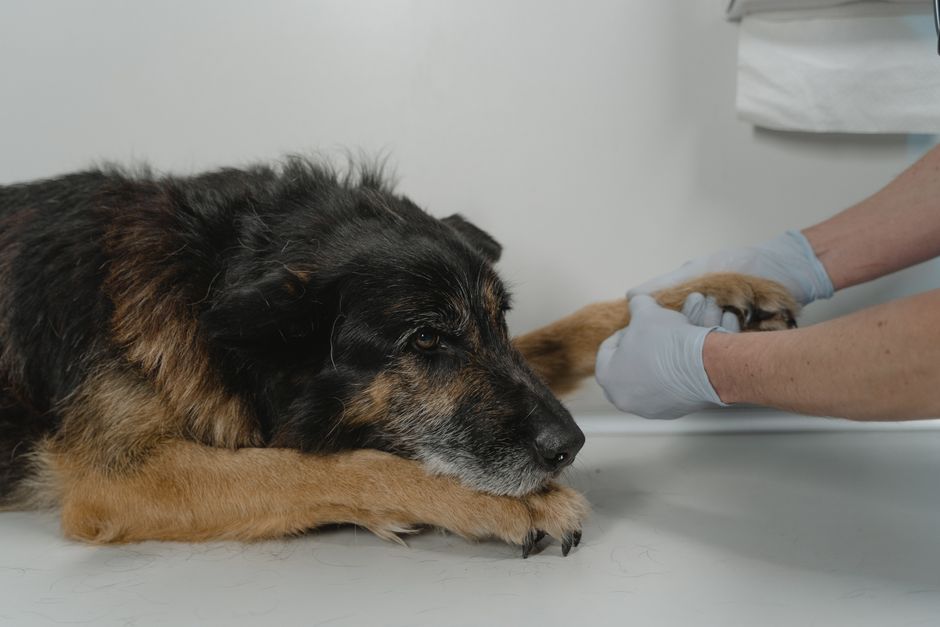
When you schedule an appointment at Pets4Life for pet limping causes in Highland Park, our veterinarians use a detailed approach to determine the underlying problem. The process typically starts with a comprehensive physical examination, focusing on the affected limb and assessing your pet’s overall health. We may gently manipulate the leg, check for swelling or sensitivity, and observe your pet’s movement in the exam room.
For more complex or unclear cases, advanced diagnostics are available. These can include digital imaging, such as digital radiology for accurate diagnosis of pet injuries, which allows our veterinary team to visualize bones and joints in detail without discomfort to your pet. In certain situations, we may recommend bloodwork or a diagnostic laboratory assessment to rule out infections or underlying medical conditions.
Treatment options vary depending on the cause and severity. Mild sprains or soft tissue injuries often respond well to rest, restricted activity, and, in some cases, anti-inflammatory medications prescribed by our veterinarians. For more significant injuries such as fractures, dislocations, or ligament tears, professional intervention is essential. This might involve splinting, surgical repair, or even orthopedic care for musculoskeletal conditions in pets. Pets4Life is equipped to provide a wide range of treatments, including fracture and dislocation veterinary care and soft tissue surgery when necessary.
Our goal is always to restore your pet’s mobility and comfort as quickly and safely as possible while keeping you informed and supported every step of the way. Aftercare instructions, physical therapy recommendations, and ongoing monitoring are all part of the comprehensive care you can expect from our Highland Park veterinary team.
At-Home Care and Prevention Tips for Pet Limping
While some limps require immediate veterinary attention, there are steps you can take at home to help your pet feel more comfortable and possibly prevent future injuries. The first step is to restrict your pet’s activity; avoid walks, stairs, or jumping until the cause of the limp is determined. Providing a soft, supportive bed can reduce pressure on sore joints or muscles. If your pet allows, a cool compress applied to a swollen area may reduce inflammation, but always stop if your pet seems stressed or uncomfortable.
Inspect your pet’s paws for visible injuries such as cuts, splinters, or embedded objects. If you find a small foreign body and your pet is calm, you can gently remove it and clean the area. However, deep wounds, excessive bleeding, or anything that seems severe should always be handled by a veterinarian.
Preventing limping starts with maintaining a healthy weight for your pet, since extra pounds put additional strain on joints. Regular, moderate exercise appropriate for your pet’s age and breed helps keep muscles strong and joints flexible. Nail trims, paw checks after outdoor activities, and safe, non-slip flooring at home are simple ways to minimize injury risks. For pets prone to orthopedic issues, your veterinarian may recommend supplements or lifestyle modifications.
As always, even with excellent home care, regular wellness exams are essential for early detection of developing health problems. Our wellness examination services in Highland Park include a thorough check of your pet’s musculoskeletal system, which can help catch subtle changes before they cause significant discomfort.
When to See a Vet for a Limp: Clear Guidelines for Pet Owners
It can be difficult to know exactly when to seek veterinary care, but some situations require prompt attention. You should schedule an appointment with a “quality vet near me” if your pet’s limp lasts more than 24 hours, if there is obvious swelling, heat, or an inability to bear weight, or if your pet is in visible pain. Signs such as crying, aggression when touched, or a sudden refusal to move indicate that your pet needs immediate evaluation.
Other reasons to contact your veterinarian include open wounds, bleeding, visible deformity of the limb, or signs of infection such as oozing or foul odor. If your pet has recently suffered a fall, car accident, or other trauma, do not wait to seek professional help. In these cases, our veterinary team at Pets4Life can provide urgent diagnostics and care to prevent complications.
It’s also important to note that very young, senior, or chronically ill pets may have a lower tolerance for pain or injury. For these pets, even a mild limp should be investigated sooner rather than later. Ultimately, trusting your instincts as a pet owner is crucial; if you’re worried or unsure, our team is always here to answer questions and help you decide on the next steps.
Compassionate, Local Care for Limping Pets in Highland Park
Limping is one of the most common reasons pet owners seek veterinary care, and it’s always better to err on the side of caution when your pet’s mobility or comfort is at stake. At Pets4Life, our Highland Park veterinary professionals are dedicated to providing thorough, compassionate care for every pet, whether the cause is a minor sprain or a more serious orthopedic concern. We offer a full spectrum of veterinary services in Highland Park to ensure your furry companion gets the help they need from a trusted “vet near me.”
If your pet is limping or showing signs of pain, don’t wait for symptoms to worsen. Schedule an appointment with our experienced team today by calling (847) 434-2745 or visiting us in person at 661 Central Avenue, Highland Park, IL 60035. Our veterinarians are always ready to help you understand your pet’s needs and guide you through every step of diagnosis, treatment, and recovery. For expert care and peace of mind, choose Pets4Life as your partner in pet health.
If you’re searching for “pet limping causes in Highland Park” or need a “veterinarian near me” who understands the unique needs of local pets, our clinic is here to support your family. For more information on our full range of services, including comprehensive pet exams and advanced orthopedic care, explore our website or contact us today.
Disclaimer: The information in this blog is intended for educational purposes only and should not replace professional veterinary advice. If your pet is limping or in pain, please consult your veterinarian for an individualized evaluation and treatment plan.